One Solitude

Text and photography by Patrick La Roque

I should've been happy. I had a beautiful wife and three young kids. We had the house, the cat, two cars, a big screen TV. The whole damn shebang.

But I wasn't.

No matter how much we rebel, we're psychologically conditioned for that white-picket-fence-technicolor-happiness dream. It's measurable, it can be identified, quantified. It puts happiness in a nice little box we can hold up like some gold-plated bowling trophy. Too bad it doesn't actually translate into anything.

Truth is I had a hole in me the size of Quebec and Ontario put together, and to anyone from the outside looking in...for no obvious reasons. Yet here I was, creatively empty for the first time in my life, watching days fall around me like dominos, weary and guilty. Something had to give but I'd moved beyond the action threshold. Paralysis had set in. So my wife pushed: "take the car" she said "grab your camera and go west. Do it. We'll be fine."

I did.
I went all the way.

I'm what you could call the embodiment of the 1970s Trudeau vision: a Quebec francophone perfectly at ease in either French or English, straddling the cultural fences, proud of both heritages. Ours is a complex country when it comes to identity and we've somehow come to accept the term two solitudes when describing the perceived dichotomy between francophone and anglophone. Alone together. Forever segregated in enclaves, big and small.

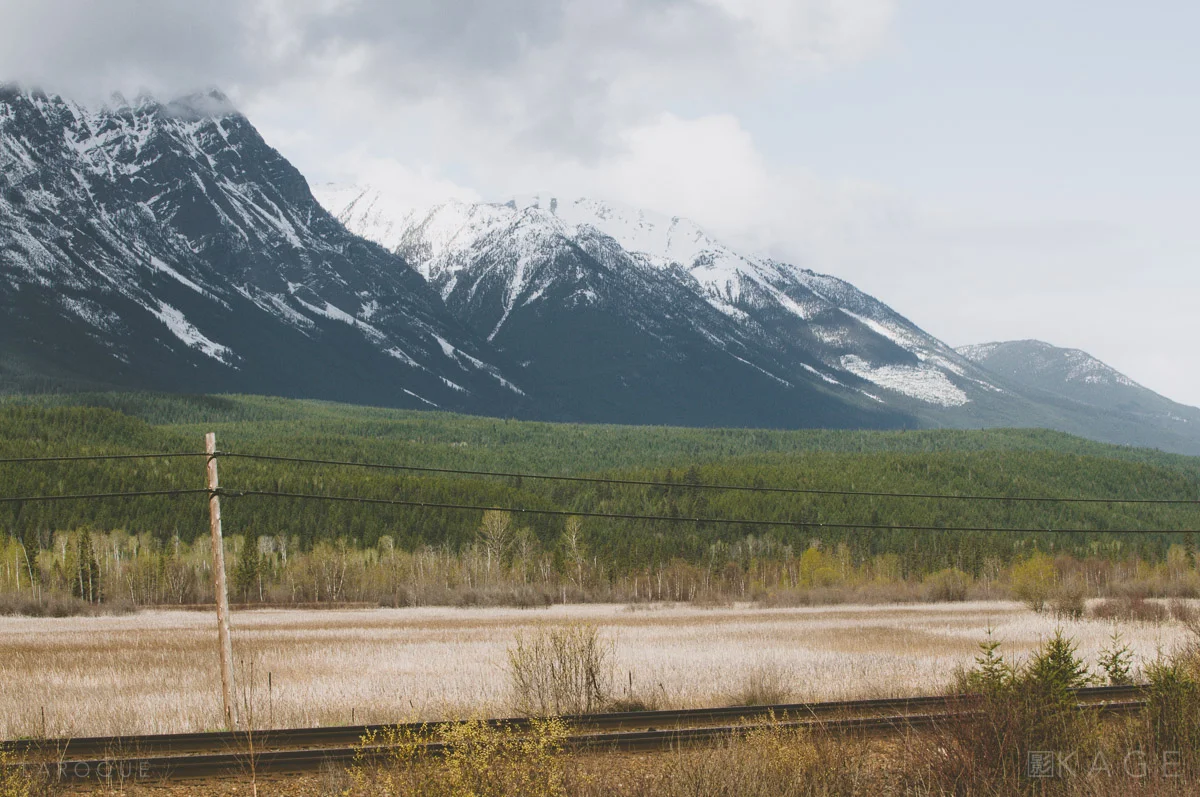
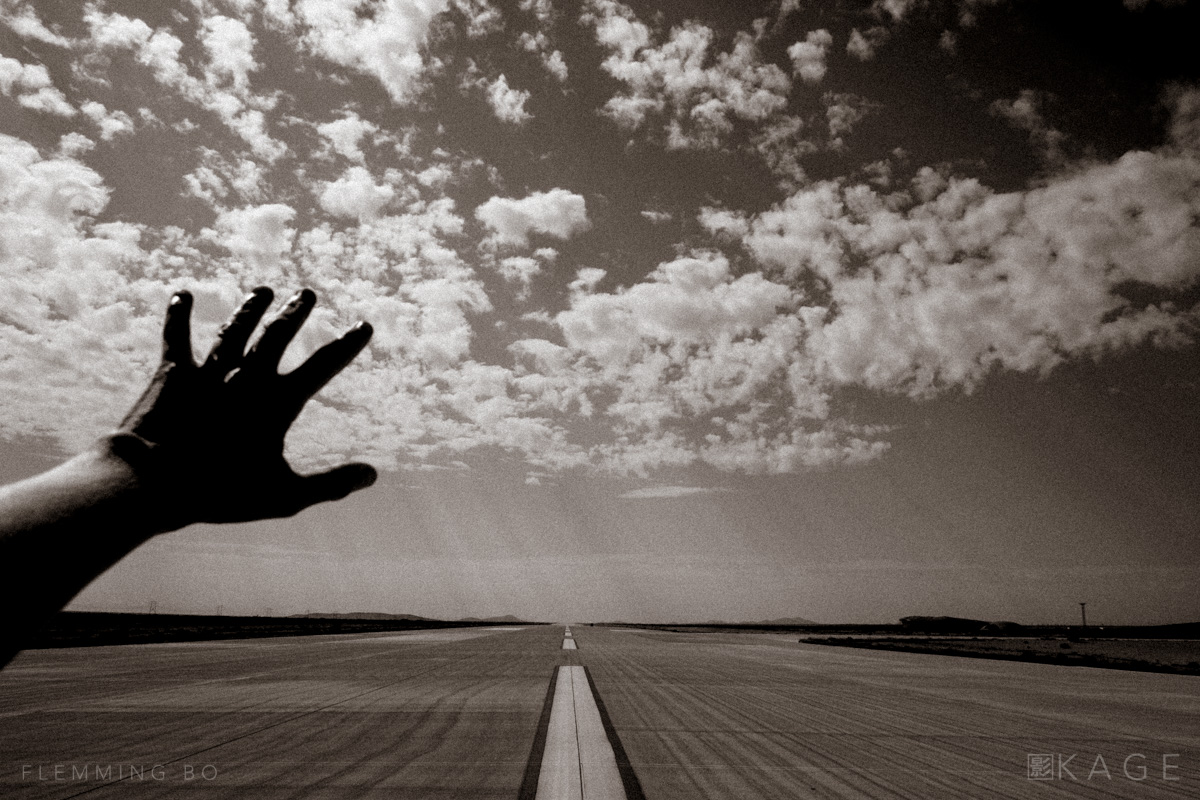
The differences certainly exist—any fool can see it. But it's such a reduction of what we truly are: we're nothing short of a cultural multitude spread across this ever changing landscape. As I rode the Trans-Canada highway I found a country of extremes and incredibly beautiful emptiness. Such emptiness. A luxury really.

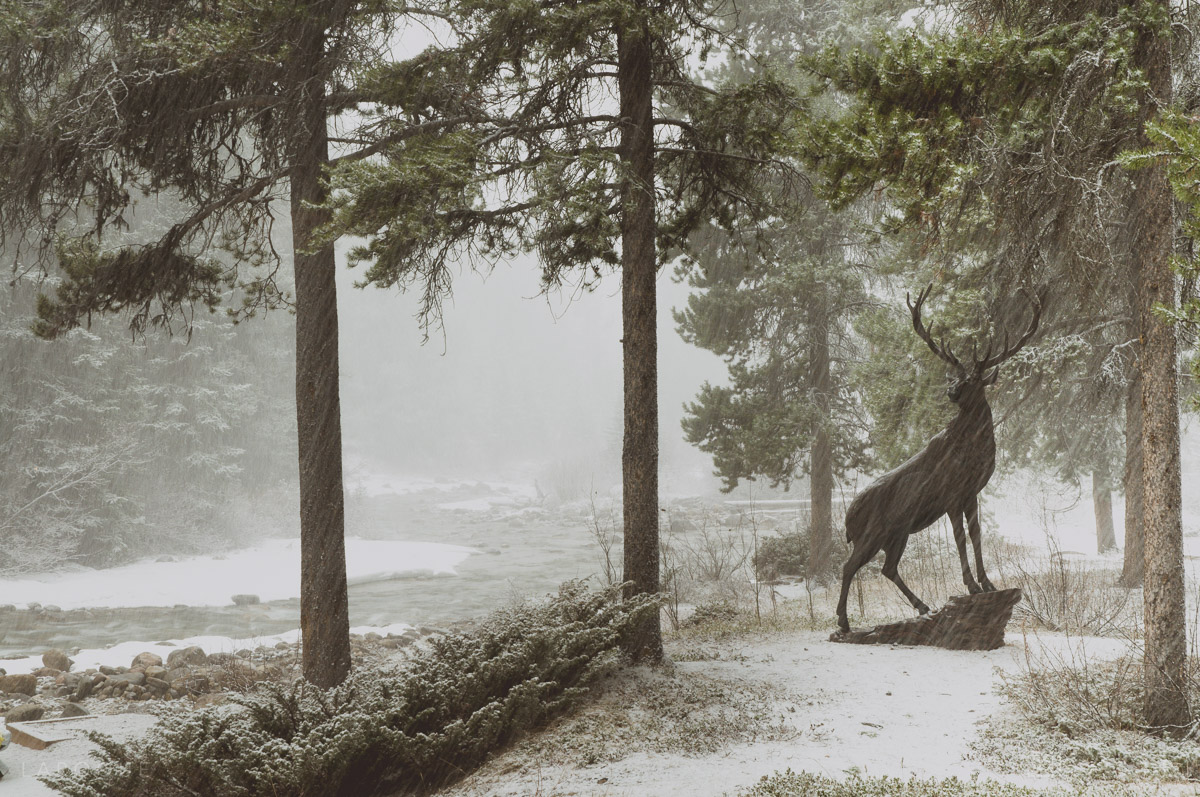
The barren sprawl of the Shield above Lake Superior. The endless Prairies with enough sky to drown in. The Badlands. The Rockies. Seasons changing hour after hour, from rain to snow and then flowers in full bloom. The Okanagan. On Route 3 I saw an old woman riding bareback, carrying the weight of centuries, proud and windswept. I slipped out of time—the snake is long—nothing out here is ever the same.

Miles and miles later I would find myself standing on a small beach in the town of Ucluelet, completely alone before an immense turquoise expanse. Jewel waves crashing the rocks beyond a small bay. The Pacific.

I would stand there, slowly beginning
the long voyage home.

That was six years ago. Before Fujis, before essays...before the beginning, really.

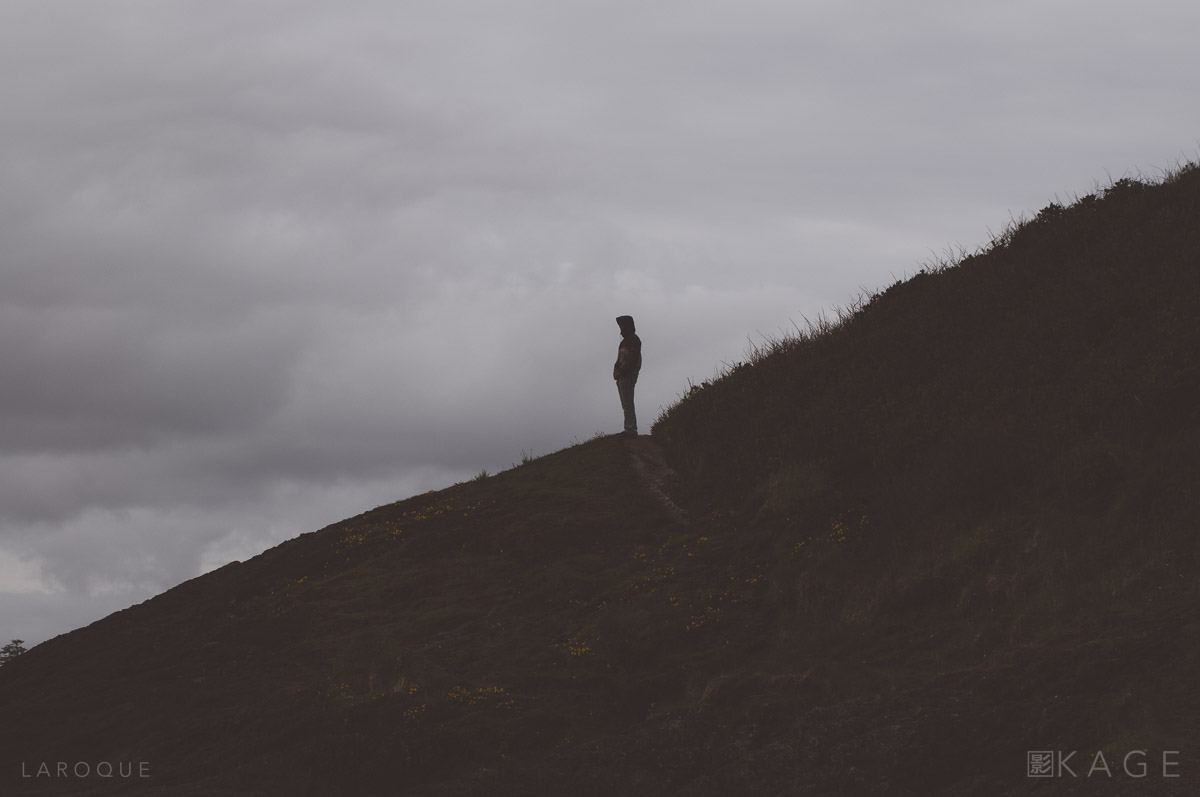
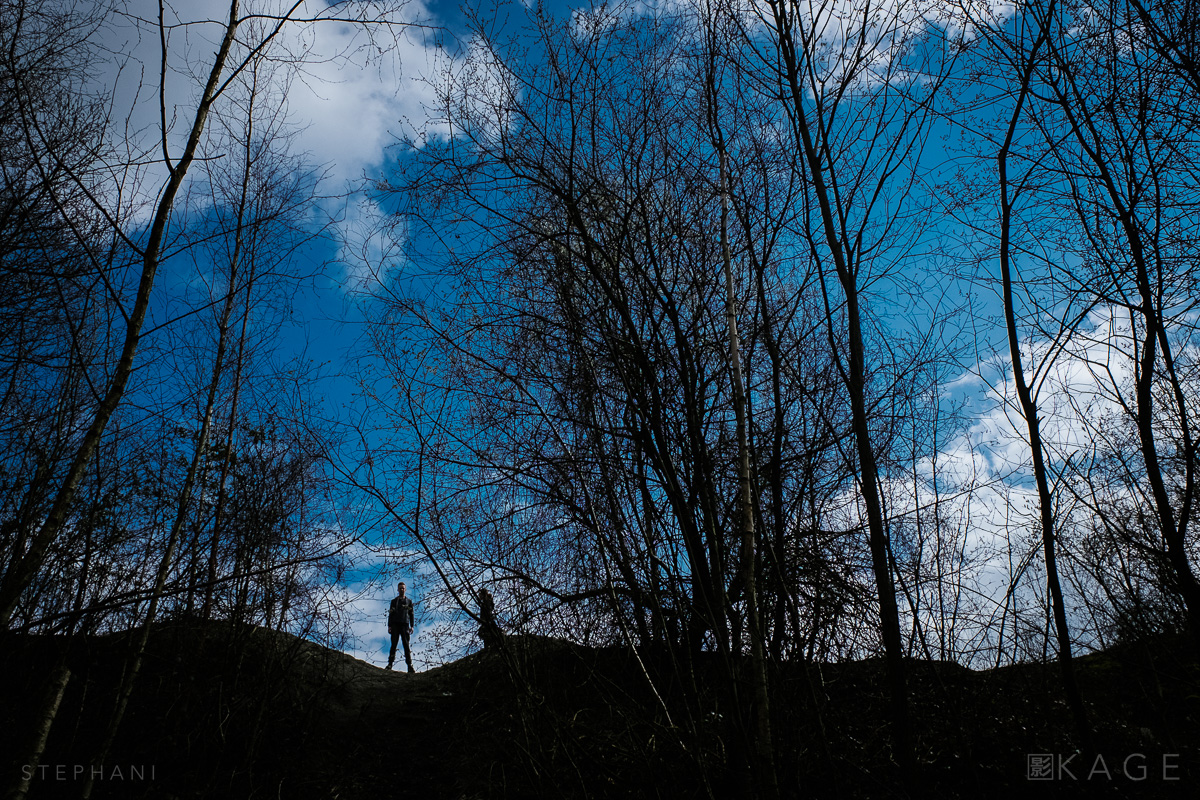
The voyage was a solitary one, with very little in the way of human interaction. And not surprisingly, without consciously pursuing any kind of set agenda, the pictures I took all seem to express that feeling of isolation and loneliness. The country feels abandoned, filled with ghosts and a few stranded silhouettes passing through. The eye sees what the mind wishes to see. The camera captures what the eye sees—and so on.

I guess I needed time to parse everything. Time to let those images settle and breathe on their own. To find the process. Time to decrypt and decipher the myths, interpret my own perceptions. I've come to realize, looking back, that I don't believe in two solitudes. In the end there really is but one solitude, all encompassing. One solitude for all inhabitants of the Territory, for all citizens of these vast and desolate landscapes that stretch between oceans and mountains. A Mari Usque Ad Mare.
In the end we're all riding the same deserted highway...desperately seeking to kickstart our soul.

As for home, well...sometimes leaving is the only way back.
Home Away from Home

PHOTOGRAPHY AND TEXT BY BERT STEPHANI

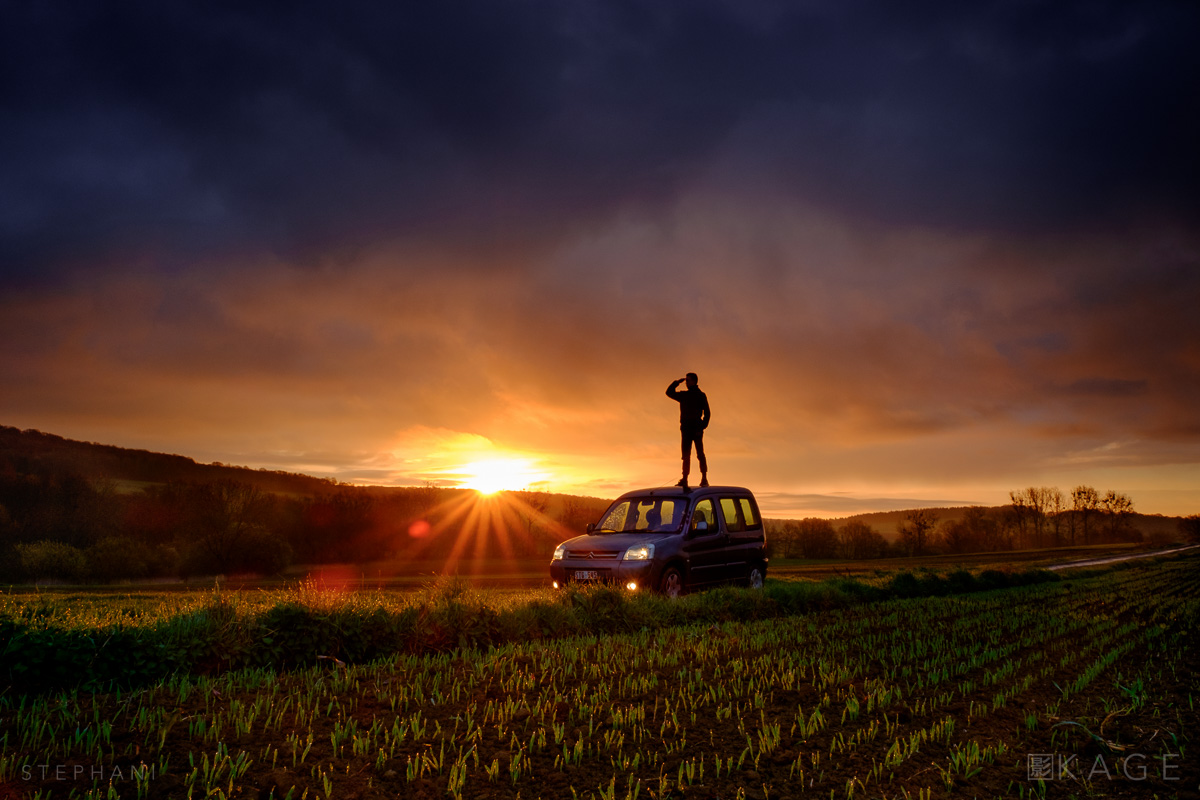
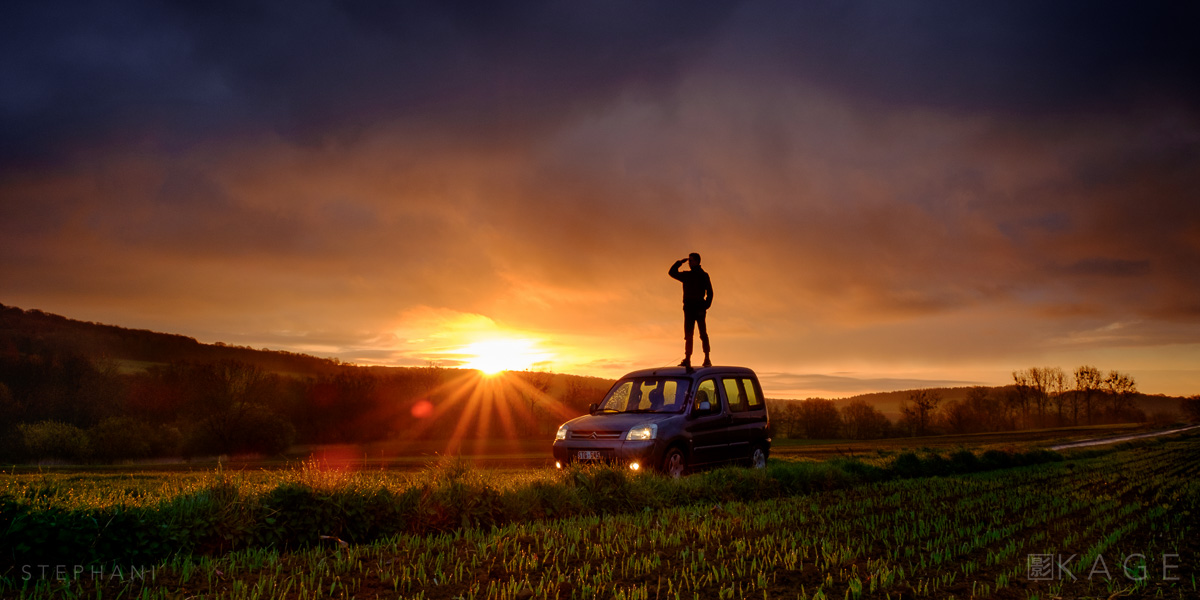
The word “home” to me has little to do with a physical space, it’s more about how you feel in it. Last week I took the family for a couple of days to the French countryside and immediately, in this little rented house that we had never seen before, we all felt right at home. Home is a place where I calm down, feel safe and have time for my family. It’s where my kids can go “feral” and be creative. It’s a place where we don’t have to bother with conventions and be ourselves. 

H2o Me

PHOTOGRAPHY AND TEXT BY DEREK CLARK

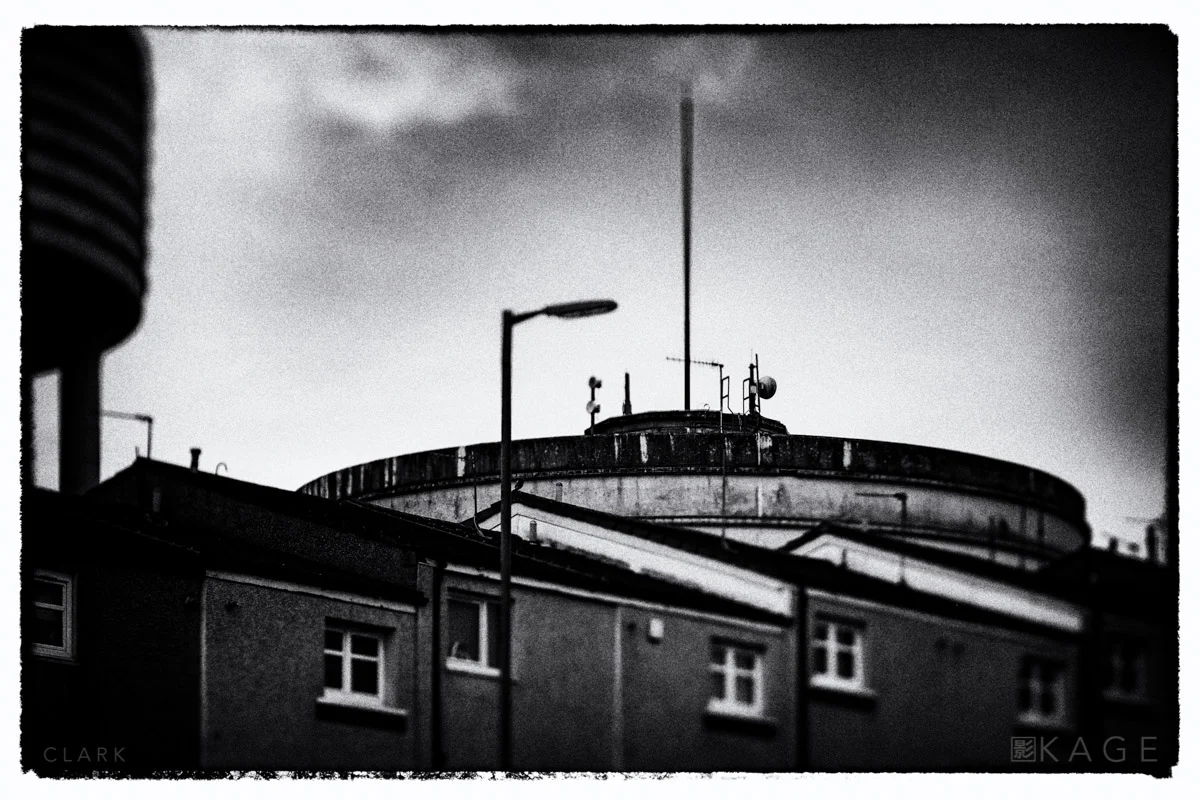
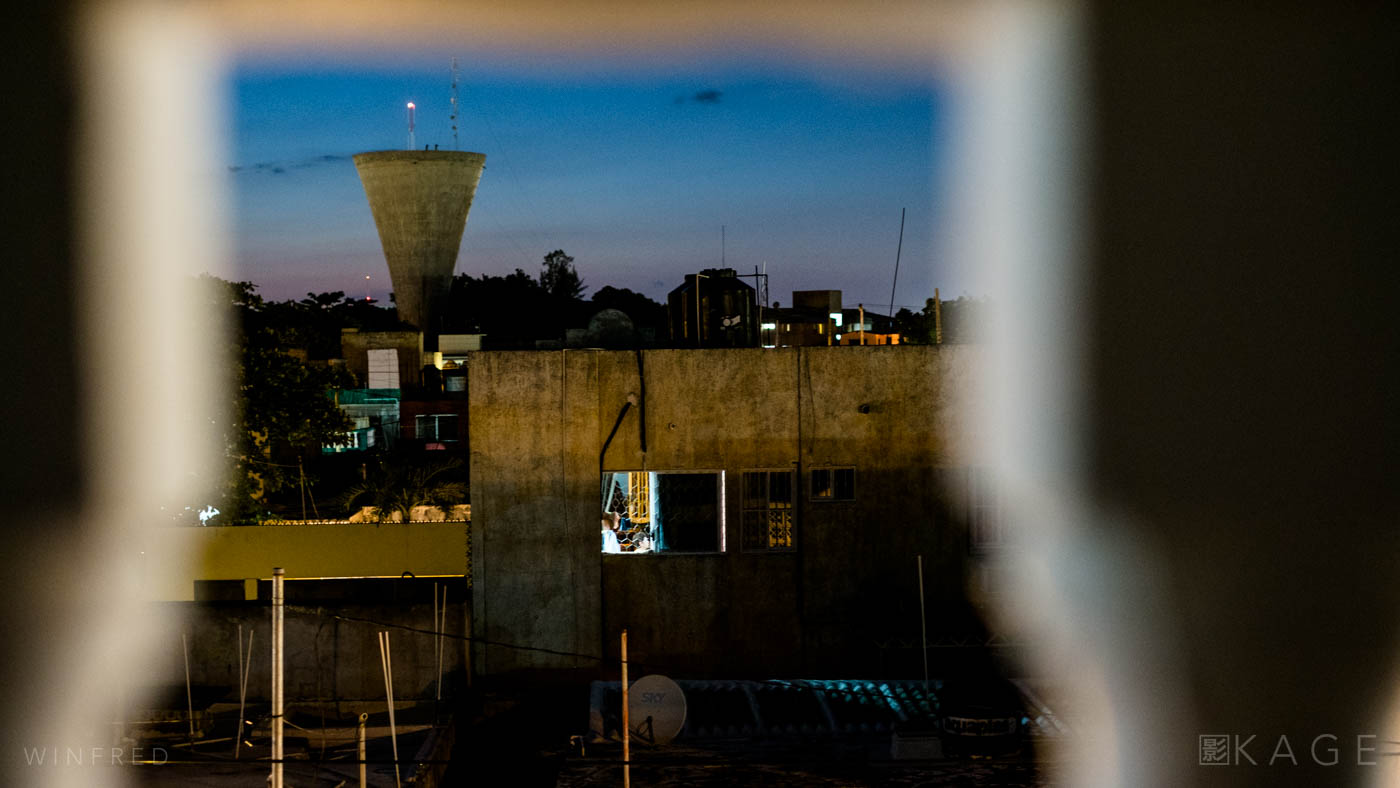
They stand silently, but yet menacingly above the homes they provide to. Giant creatures turned to stone as they moved between a multitude of houses. One of them alone holds a million gallons of water elevated to the birds domain. They have become part of the landscape and accepted by the occupants below. Without height there is no pressure. Without pressure there is no water. Without water there is no life.

I had a fantasy more than 30 years ago that one day I would convert one of these water towers into a house and retreat from the world. It would just be H2o on stilts, me, a saxophone and a camera. I would live high in the air, away from society and shoot anyone that dared come within range of my lens.

Within range of my H2OME.

No place like home

Guanajuato, Mexico

TEXT AND PHOTOGRAPHY BY CHARLENE WINFRED

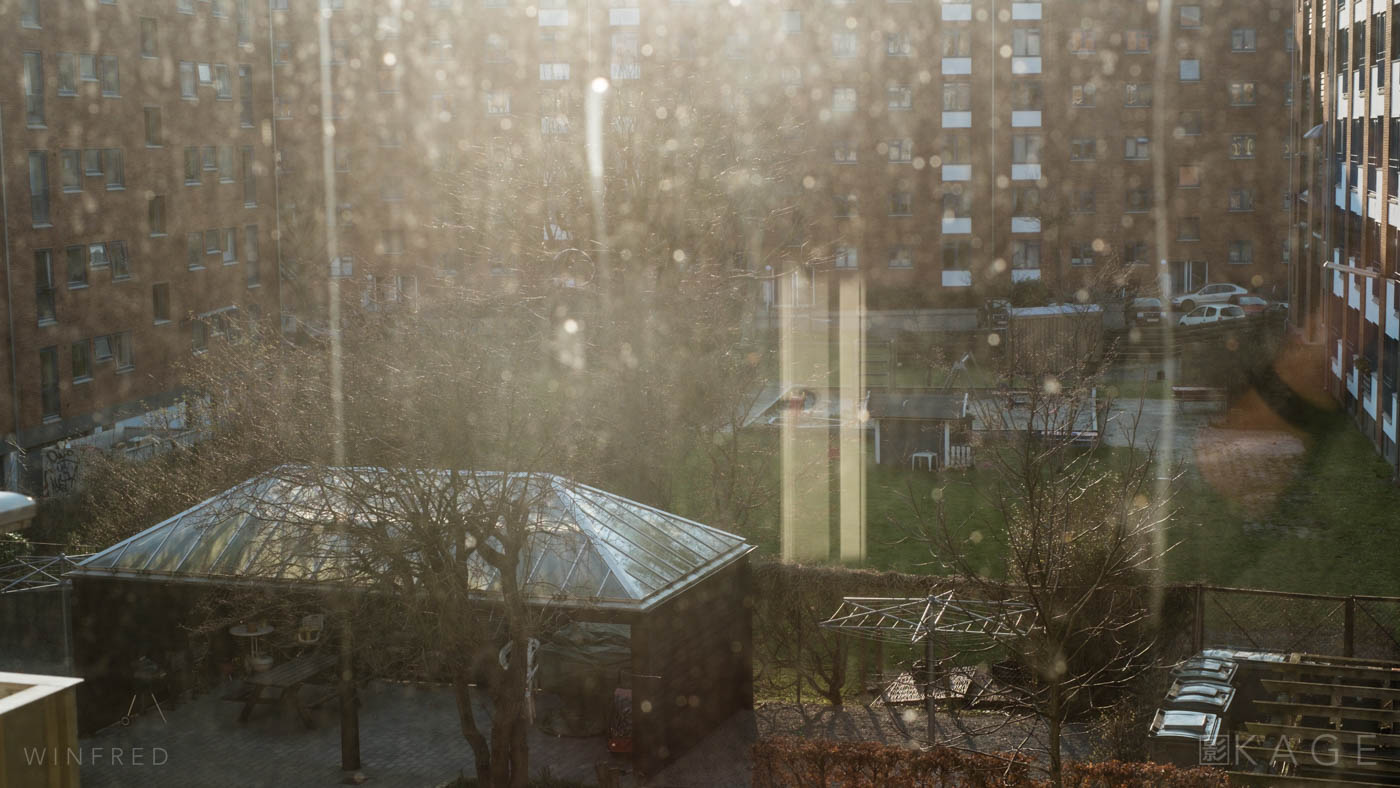
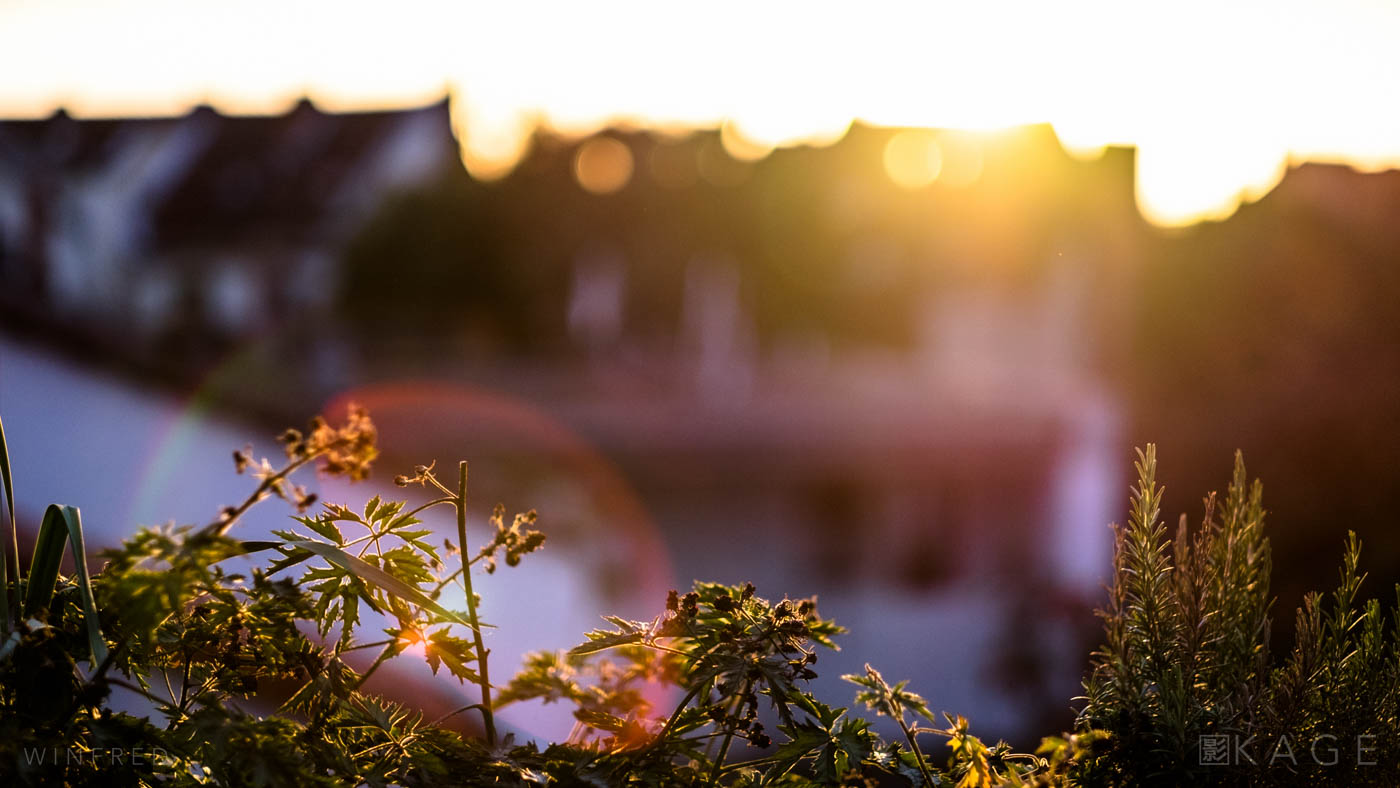
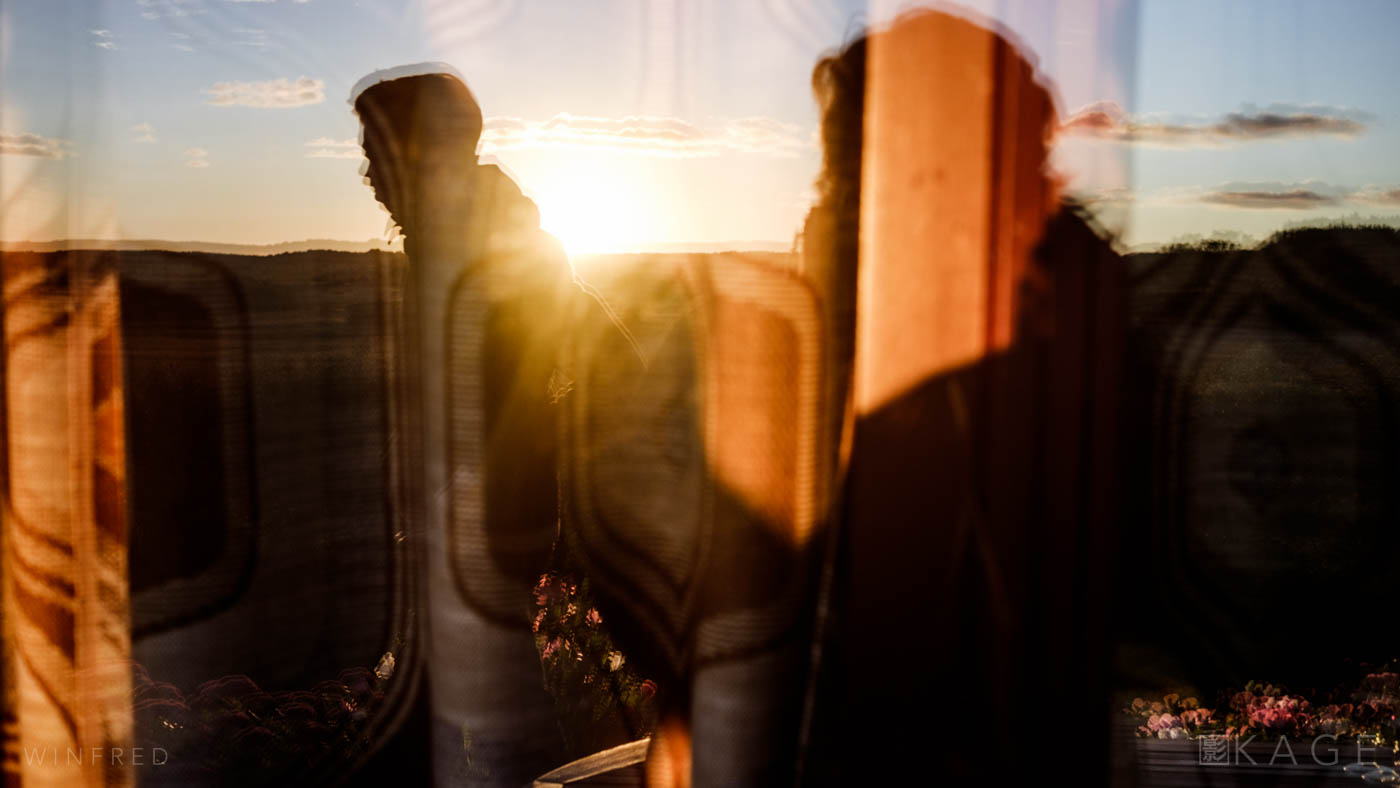
We hear it all the time: It's where the heart is, a space-place of safety, anger, belonging, angst, love, terror. It's the people you're with, the places you love, the food you eat, the ability to rest. Battleground and shelter, it messes with your point of view.

Home is difficult.

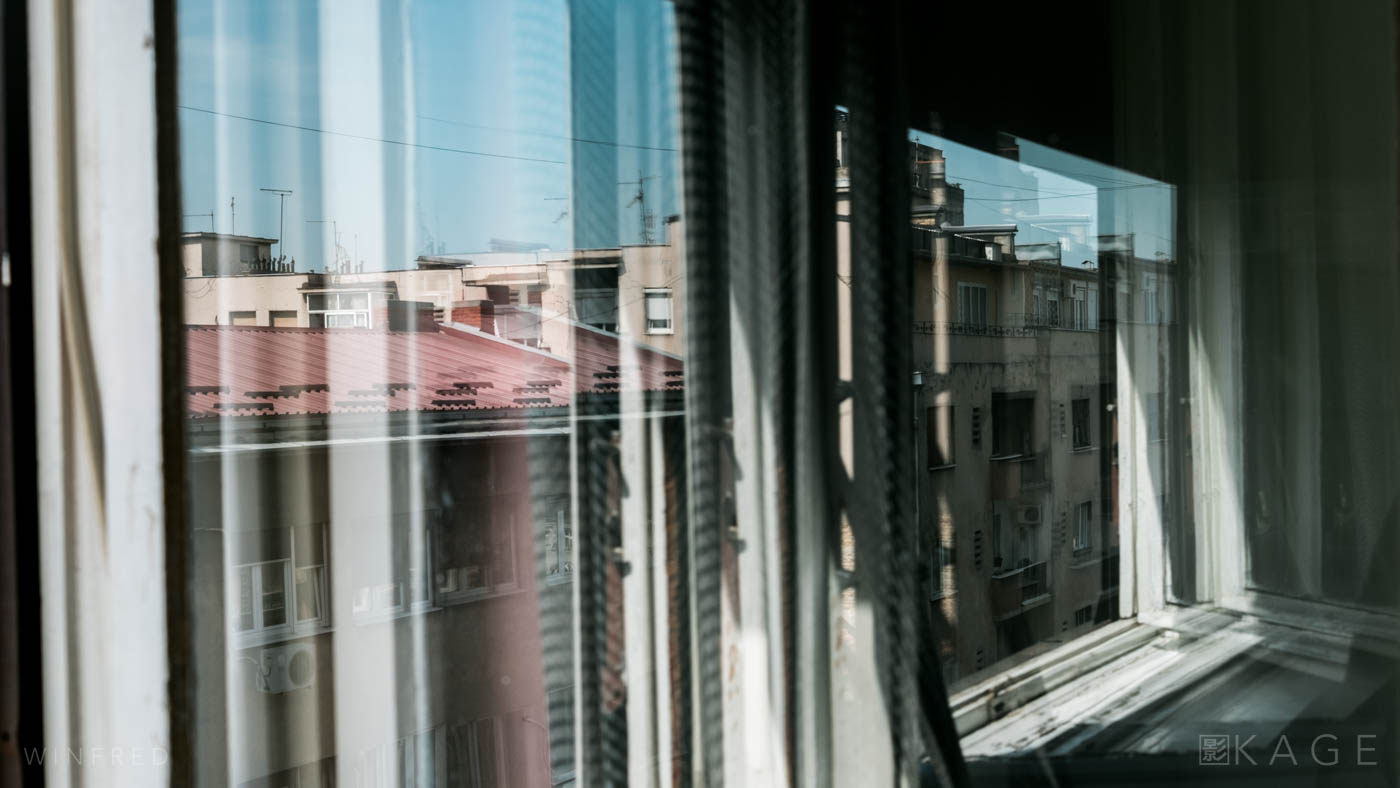
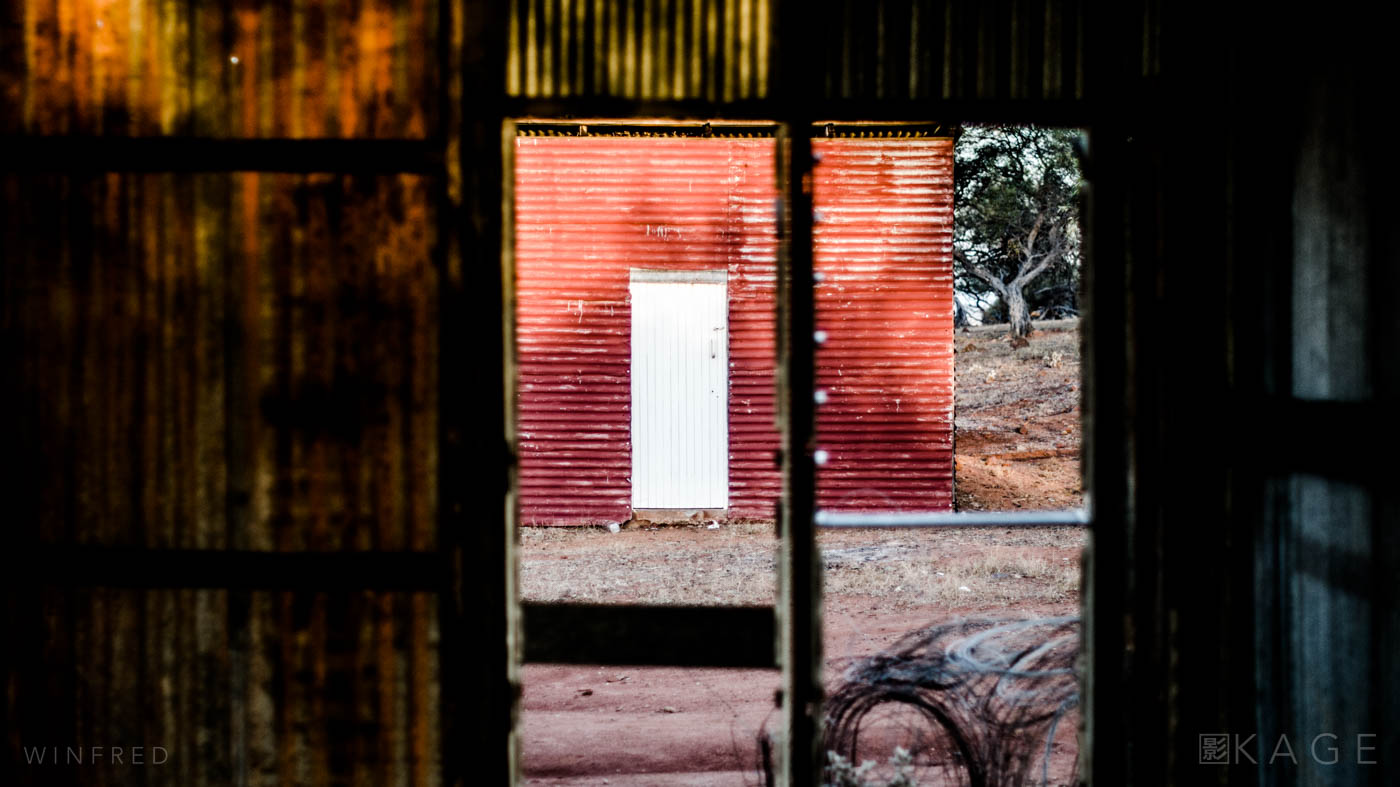
In 3 years of moving around, I've had a number of temporary homes. I have felt curiously at rest in places I should have least solace, and where I would expect to find some measure of belonging, comfort has been absent. Ordinary tasks  - eating, drinking, washing, working, sleeping - are often surprising from place to place, and the approach to daily living is frequently also an indication of how the surrounding city should be traversed. 

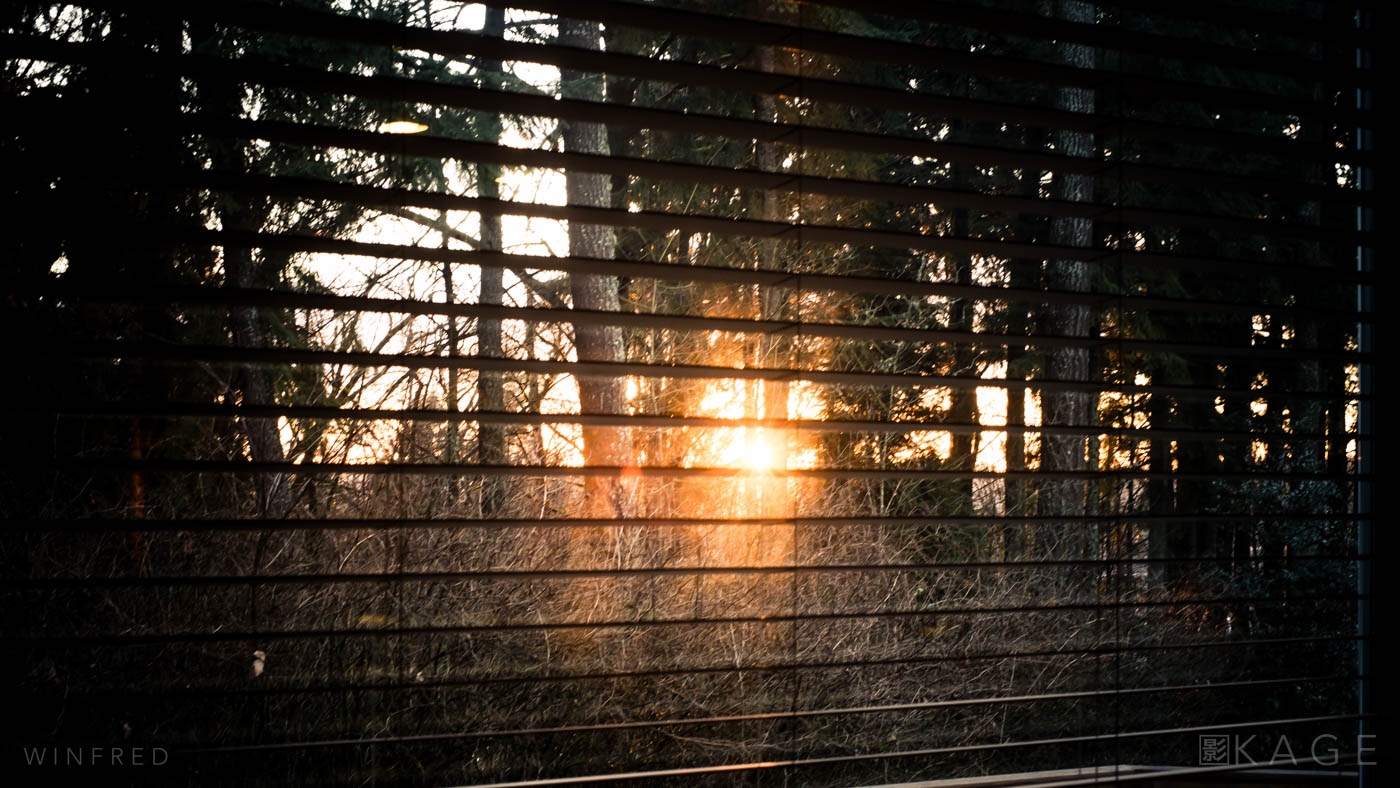
In all of it, I come home to an abundance of light, color and texture.

My Four Walls

TEXT AND PHOTOGRAPHY BY KEVIN MULLINS

This month, I was forced to think more personally about my images.
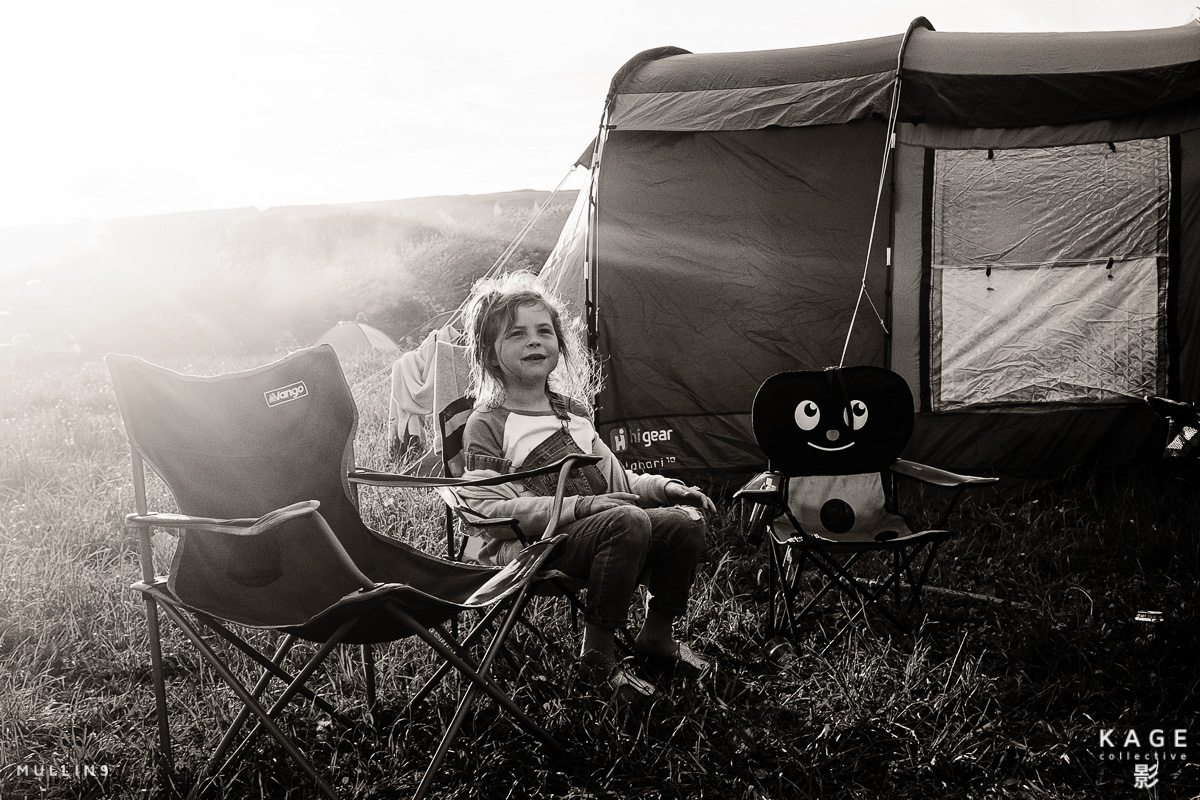
It's true that I'm my own harshest critic and whilst I'm working, I'm concentrating hard on the job at hand. However, when I'm home, I'm always aware of my often rambunctious, always lovely, Rosa and Albie.

Rosa, in essence, is the reason I'm here at all.  Back in 2009 when she was born I bought a camera.  I'd never owned one before.  So thank-you Rosa for being the catalyst of this journey I still find myself on.

This month's theme was loosely based around "Home" and whilst I know there are far more powerful, poignant and political stories this month, I really had to post these.  Because....well, because these are my home.

It's very true to say that until I started my long standing love affair with the X100T I had few "snapshots" of my children.  It may be rather quixotic, but I can't think of anything better that sums up home for me.

These are the building blocks of my four walls.
Happy April, everyone, from a somewhat milder Middle-England.

Searching for Home - Part I

BY FLEMMING BO JENSEN

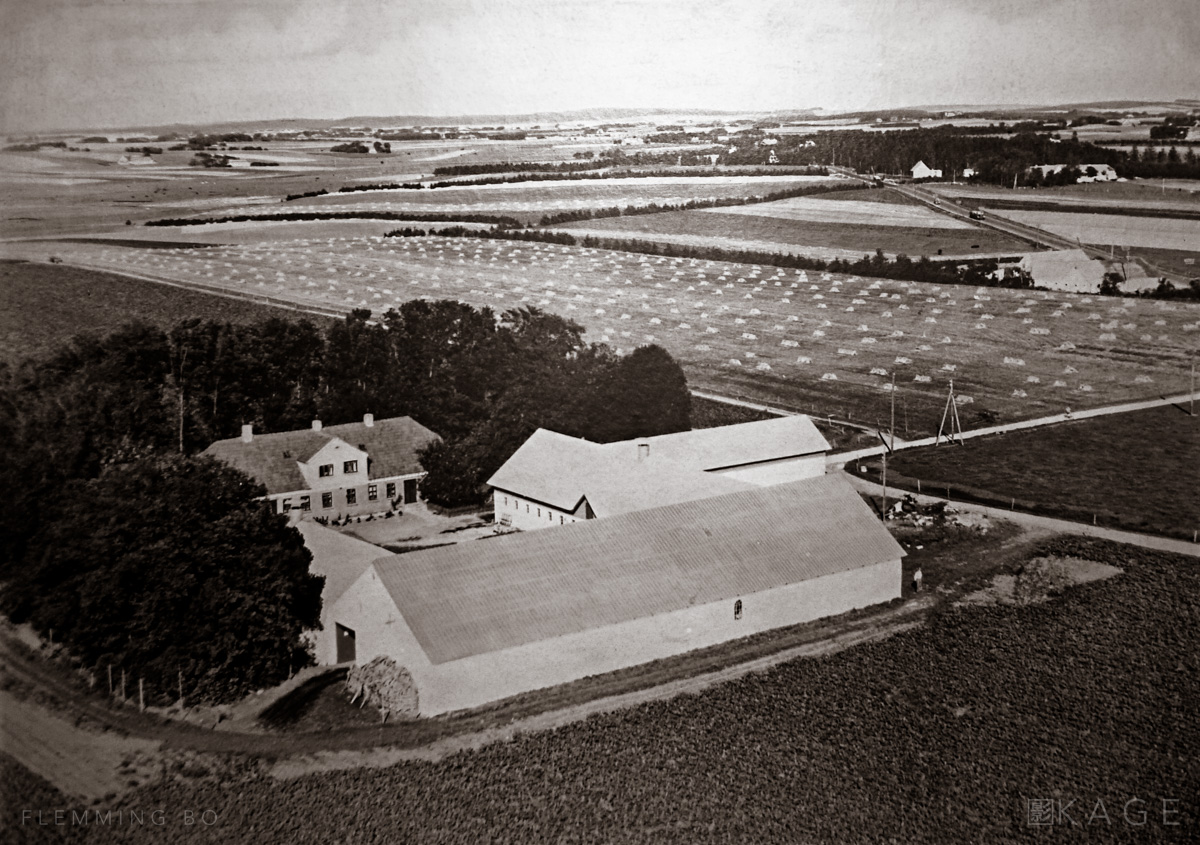
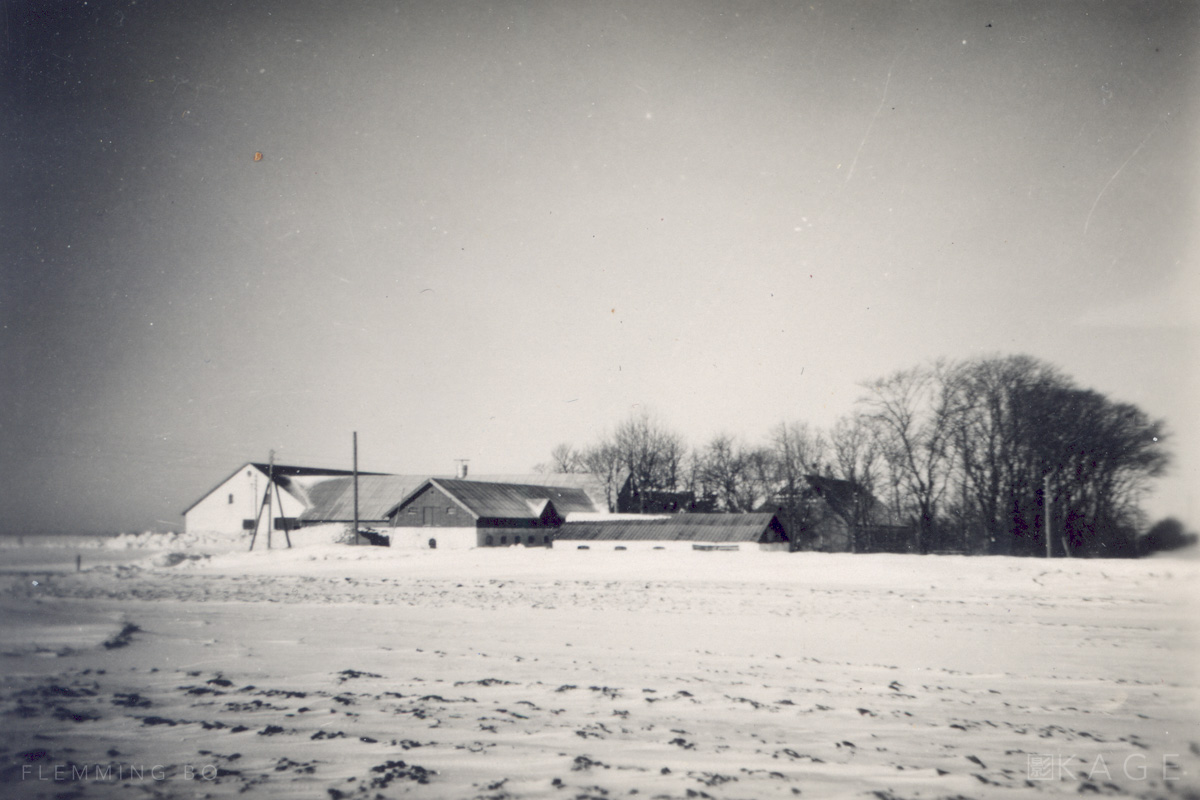
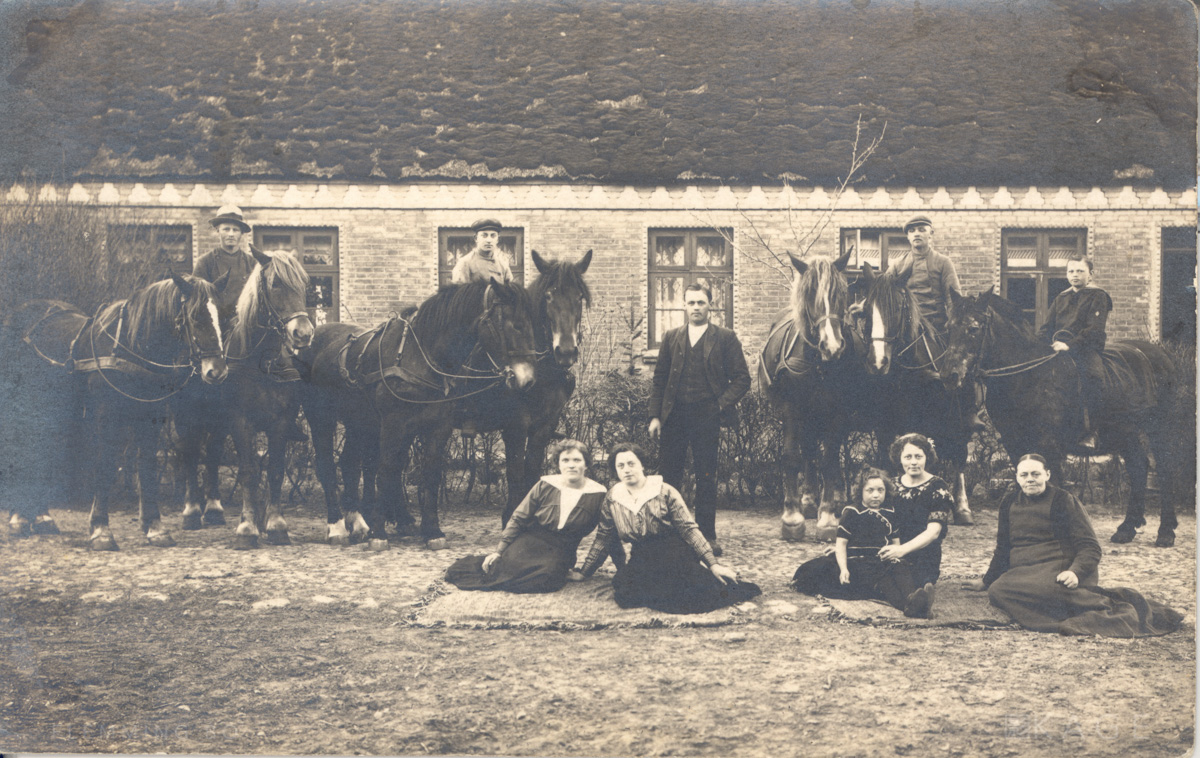
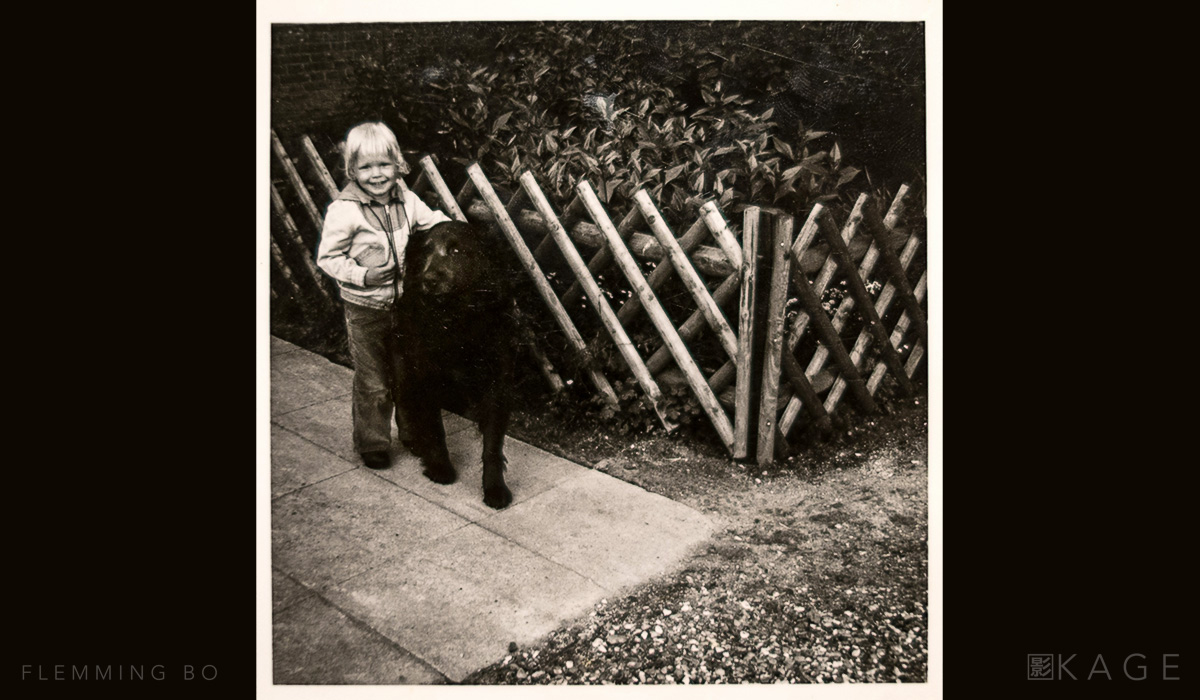
For generations the farm meant not only home but the whole world to our family. Circumstances necessitated selling the farm more than 20 years ago. It is still the only place I would call home. Years of living in various flats in cities working office jobs never felt like home. Never felt right.

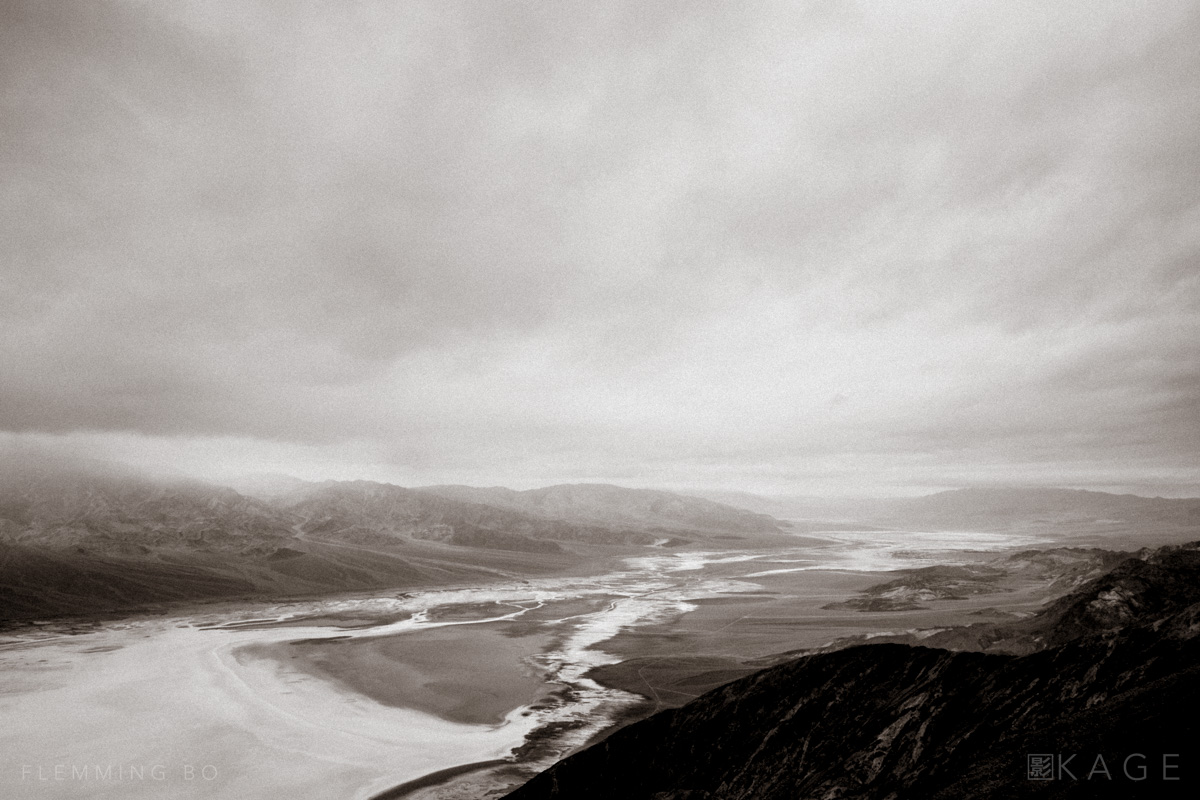
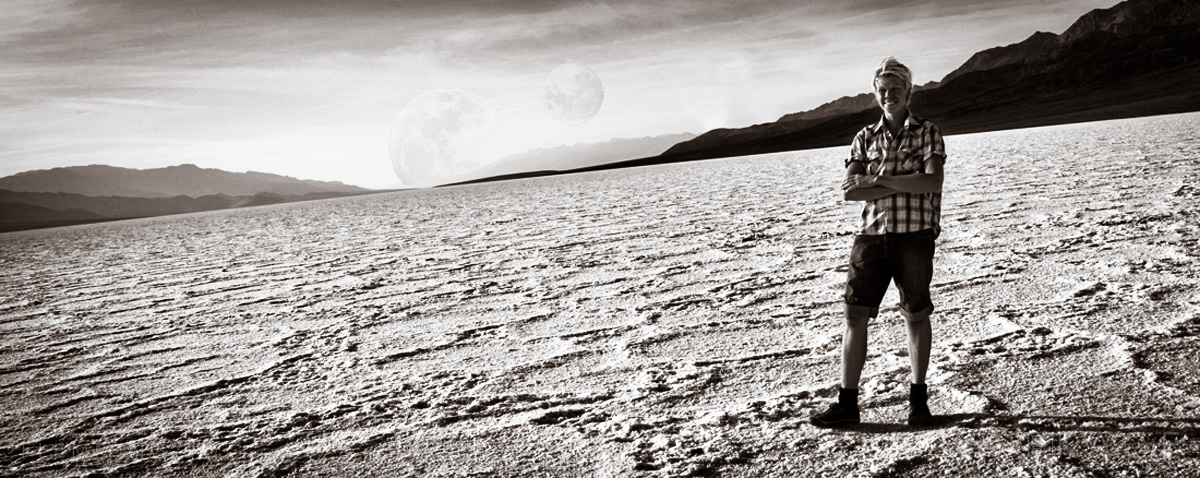
So at some point I figured, might as well change it all. Take off into the world. See what there is to see. Search for that home feeling.

To be continued...

Sillage

Une photo, finalement, c’est bien peu de choses. Elle ne peut capturer qu’un seul moment sur des millions de la vie d’une personne, ou de la vie d’une maison. Les photos sont la preuve que les choses dont je me rappelle se sont vraiment produites, qu’elles ne sont pas des souvenirs fantômes ou des chimères, des fantasmes.
— Jonathan Coe

TEXT AND PHOTOGRAPHY BY VINCENT BALDENSPERGER

Une photo, finalement, c'est beaucoup de choses. Elle capture une infinité de moments de la vie d'une personne ou de la vie d'une maison. Elle capture le présent, le passé. Elle est le sillage du parfum d'une vie, de toutes les vies qui l'habite. Une photo c'est une maison, un jardin, une allée, un grenier, une cave, une chambre, un salon, une salle d'eau, une cuisine... photogénique.

...

A photograph is in fact many things. It captures an infinity of moments, of a person or a house. It captures past and present. It is the wake and scent of life, of every life it inhabits. A photograph is a house, a garden, a basement, a room, a den, a bathroom, a kitchen…photogenic.

Rains of March

Text and photography by Patrick La Roque

When we're kids, home is a haven, our entire universe within a single space. Later, home falls into a state of flux, until we decide to settle and build again, on our own; wherever we may land. It remains fragile, always, and for some even impossible—a hopeless dream in a fog of war or hunger or loss. Sometimes it stays transient, relying only on a few people around us in order to exist. Maybe nothing more than a state of mind.

The home I knew as a boy is being erased one book, one painting, one table or chair at a time. Erased like our mom's grasp on the present—liker her tortured soul. This morning I drove through hard torrential rain, half-dazed and weary, on my way to a memory on the verge of collapsing. Neighbours have passed away, replaced by strangers. Our street has grown tendrils, the fields we used to hide in paved over, the forest in our backyard long gone.

The smells still linger though: of old childhood and reprimands and board games on a Sunday afternoon. Of curses and strange sleepless nights, holidays and love and death. Solitude.

Maybe it's March digging its wet claws into my soul —I don't know. But it’s clear my home has shifted and my family lies elsewhere. This house is little more than nostalgia now and it hurts a little, like losing part of yourself to something you can’t control.

It’s just a frame—waiting to capture someone else’s memories.

Studioless

By Bert Stephani

I was going to make an essay about how I finally decided to give up the studio space and the big house I worked really hard for. I was going to show you how too much clutter in a too big place, almost became my downfall. I was going to explain how I turned everything I've learned the hard way into a better future. I tried for days to make a comprehensible story but just couldn't make it work. I guess it's still too fresh and I'm still in the middle of this big transition. I really want to do something creative with these confusing times. And once the dust has settled, I will. 

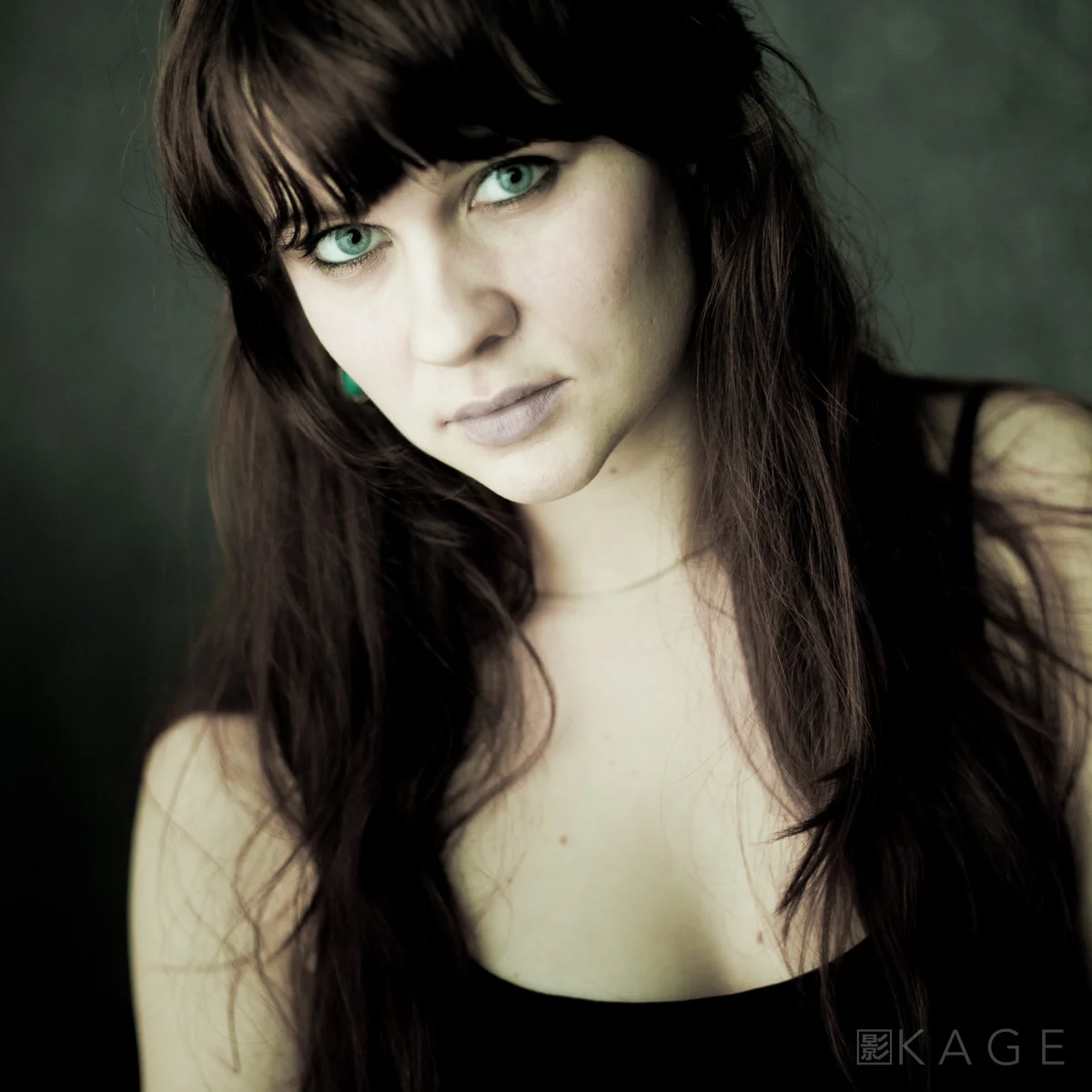
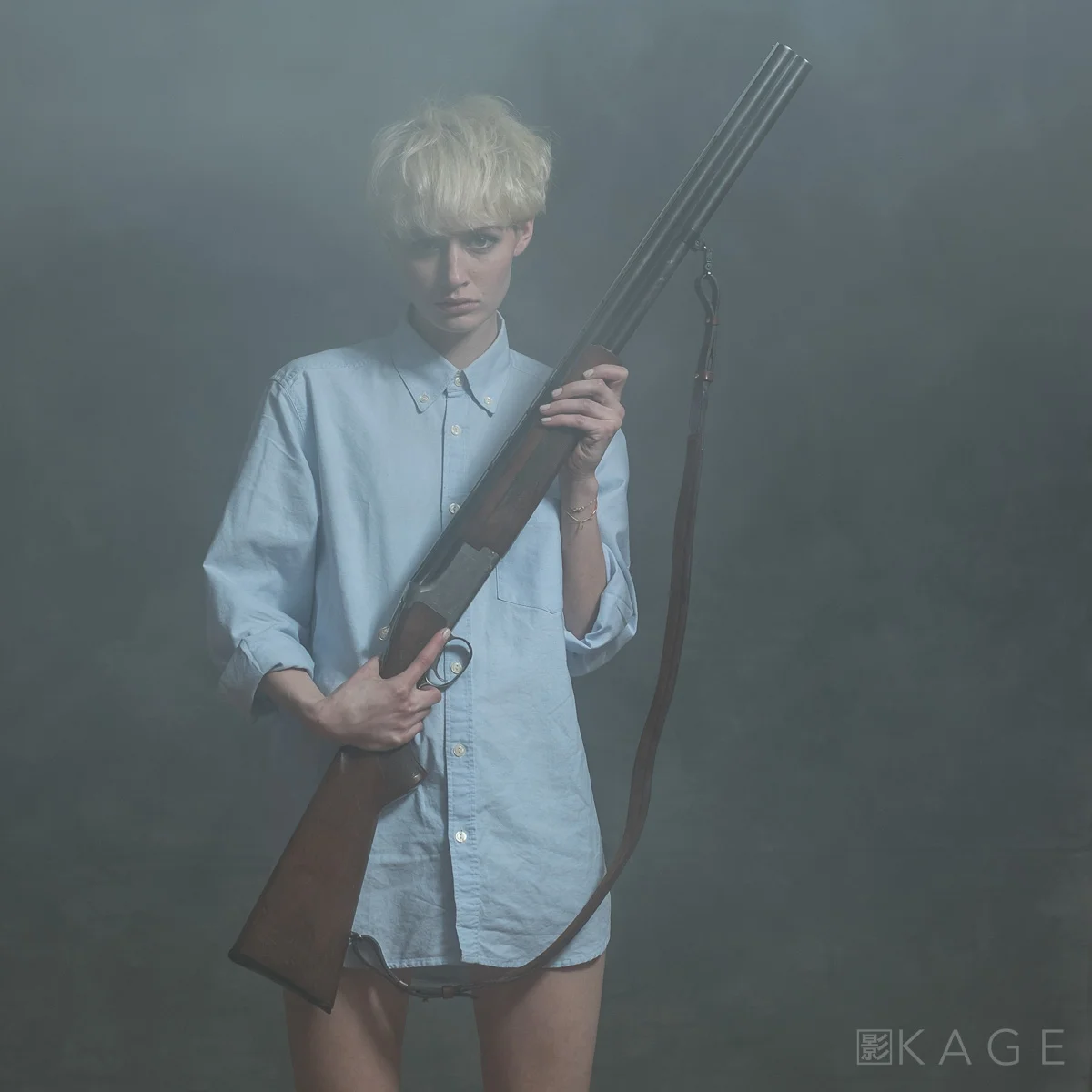
For now, I will leave you with some portraits I made in my studio "The Barn" over the last eight years. There are some pictures in this gallery that I still like a lot, but I mostly see a photographer who has the technical skills but is desperately looking for his own voice in studio photography, sometimes getting close, more often not. 

Interview with DeShaun A. Craddock

by Flemming Bo Jensen

DeShaun is a photographer and writer based in New York. I first connected online with DeShaun years ago through a comment he left on my blog. I went to his websites and was blown away first by an incredible image he made of Alicia Keys and then by his street photography and last but not least, I read his - highly recommended - photography blog. Since then I have followed his work closely, and with our new KAGE interview series I was very keen to feature DeShaun and learn more about him.  
The following interview is a conversation between DeShaun and I via email. Thank you DeShaun for devoting the time to answer my many questions. - Flemming.

DeShaun A. Craddock

DeShaun A. Craddock

Tell us how you came to be a photographer?

It was a lot of trial and error, honestly! When I was a child, I loved cameras, but had no idea how to use them—I just ran around aimlessly with one of the family cameras. I picked up my first SLR in 2008, but I didn't feel comfortable with one in my hands until 2012. I think that's when I became a photographer. I had put so much of myself into learning and honing my skills, and I had a pretty good feeling about the kinds of things I wanted to photograph.

What do you love about photography?

Everything. After decades and decades of photography, it's still such a strong method of expression. I love that it is a wordless conversation I can have with anyone, or no one, if I choose. 

And what do you mainly photograph?

I've lived in New York City all my life, so it is in most of my work. Street scenes and music performances are my absolute favorite things to photograph.

Is there a connection for you between shooting street and music?

The skill set is similar. When I walk the streets, I scan for a setting and try to catch things as they happen, or as they align just right. Music photography is experiencing a performance and extracting moments of excitement or wonder from that show. Both types of photography require a sensitivity to serendipity.  

Picture by DeShaun A. Craddock

What does music photography give you and mean for you?

It's a lot of things. I think everyone has that moment where they go to see their favorite performer, and even though they are surrounded by hundreds of people, they feel like they are the only person in the room at the time. I feel like that when I raise my camera to my eye during a performance. It's a way for me to bottle that energy and share it with others. When I'm photographing someone I'm a big fan of (like Alicia Keys), then that intimate feeling is amplified, and I feel like I'm showing my appreciation to those artists, even though most of them never see what I create. 

Do you secretly wish to be the artist playing when you shoot concert gigs (I ask because I am curious, as I not so secretly want to be a DJ!)?

I'm very comfortable just being the photographer, and I don't think could face those big crowds every day! I always wish that I had a better connection to the artists. There are some people I'd just love to work with more closely, so I just want more of that. I only want to be on the stage if there's a camera in my hand.

What are the main challenges you have faced in music photography?

There are always technical challenges like difficult lighting, but you often learn to think on your feet and make things work when you can. I'd have to say that my biggest obstacle has been actually getting the jobs I want, and the visibility I'd like. I email people, I pitch ideas, and I share my portfolio with tons of people, but it's really rare for me to actually get hired. A lot of my work comes through one or two outlets, and getting your name out there can be difficult. I'll end up being confident one moment and really down on myself the next, so I guess my own attitude is a challenge too! It's so hard not to take the rejection personally when you put so much of yourself into it. There are times when, after a series of unanswered emails or hitting yet another dead end, I start to wonder if these people like my work, or if they like me. 

What would be your dream music gig?

Ideally, I'd want to tour with an artist whose work I admire, and hopefully, an artist who also admires my work. I'd want to be able to go wherever I want and really tell a story, instead of just capturing the first 15 minutes of a performance. I don't think I can even narrow it down to a specific artist at the moment, because there are just too many, but I'd want all access. As much as I love performance photos, I want to get the story leading up to the moments on stage. I want to be able to capture the types of isolated scenes that I capture in my street work. I want to make work that doesn't just make you feel like you were in the front row, but a member of the crew. That's the dream gig.

A year ago you wrote a great blog post about Race and Photography and the problems with racism and lack of diversity in the photography business - what has the reactions been to this post since ?

They have been surprisingly positive. A lot of people approached me and said that they didn't realize it was like that in photography too. Getting that kind of response makes me think that there really are a lot of people who are ready to talk about the topic and work towards establishing a balance that hasn't existed before. 

I see the problems of race and gender in photography through my partner far too often. I also see it constantly in the music industry. How do we battle these problems which are far too often ignored or denied?

Well, if I knew the answer to that, I'd be a genius! Acknowledging that a problem exists in the first place is a huge step, and then making a conscious effort to correct it is another. That's a really deep problem, so staying visible and having a sense of community makes us all visible. There are groups like The Photo Ladies that showcase work from a ton of talented women, and I think those kinds of groups are necessary in a system that really seeks to divide those who are already marginalized. Even if it isn't going to be a formal group, sticking together and cooperating with one another is so crucial to individual success.

Your stories and images from NYC really makes me want to live there for a while. How has your love for New York evolved since you began photographing the city ?

You should definitely stop by for a while! My love for the city has definitely become deeper. There have been rough patches, because New York City is always becoming more expensive, more demanding, and in some ways, less inclusive. Going out and photographing the city reminds me of the little subtleties that make me love living here. There are times that I will travel on vacation, and I swear that I've had my fill of New York. Then I'll return home and see a certain scene, and I feel welcome again. It's a hard thing to describe, but photography in the city is always rekindling my love for it.

There is a solitude to a lot of your street photography and you wrote about it in The Solitude of 8 Million, where you mention the camera also gives you solitude. Why is this important to you?

I am, among many things, an introvert. There are so many people in New York that trying to find total absence of people is nearly impossible. Any tool that I can use to give myself some time to think or relax is always welcome. With a camera, I can quietly observe, and no one will question why. I also spend a lot of time thinking, so walking around with my camera is a great way to unwind after a long day.

How do you approach your street photography in NY - Do you have a favourite time or place to shoot?

I really like strong shadows and night, so I tend to choose times of day that cast long shadows down the narrow streets, or nighttime, because the city changes so much once the lights go on. Much of lower Manhattan is fun to shoot, because there's interesting architecture and some narrow streets that look amazing at certain times of day.

What attitude do you meet in the streets of NY towards candid street photography?

People are very aware of cameras these days, but I've never been the type of person to invade someone else's space when shooting. I tend to photograph people as they are walking away or from an unassuming distance. Usually, if I encounter someone who is trying really hard to avoid my camera, it turns out that they are not even the subject! I've been questioned by police a few times, usually someone being a little too suspicious about me photographing an ordinary looking parking lot or street corner. As difficult as it may be at times, I just try approaching scenes with confidence. If someone sees me take their picture, they see me. 

You are also a writer for Huffington Post. How did this come about?

To clarify, I am not actually employed by Huffington Post. HuffPo has a blogging platform where you can post work and possibly give it some extra visibility through their audience. I got access after going to a portfolio review and sitting with someone who was an editor at Huffington Post.  We really hit it off, and she put me in touch with someone who granted me access. 

Which gear do you use and do you use the same on the street and at a concert?

I am a Nikon shooter. I have two digital cameras: a Nikon D750 and a Nikon D610. I have a 50mm f/1.4, a 24-70mm f/2.8, and a 105mm f/2 for lenses. I use the same gear out on the street and at a concert venue. I also have a few film cameras, but I don't use those at concerts. They're just for fun.

You recently finished your Abstract.NYC project. It is quite a departure from your street and music work. What made you start this project and what did it give you?

The project came from a magazine that had some photo project ideas. One of them involved panning the camera during a long exposure. When I looked at photos using this technique, they all looked the same. They were all taken at the beach or in a forest, and always used motion in one direction. After trying the technique in a few locations around the city and being really excited by the results, I decided to make that a series and explore many more neighborhoods. The concepts involving time and missed moments came to me after my 10th image or so. It felt so good to be able to express something in such a unique way, and it felt even better when people actually liked it.

Do you have a new project in the making?

Nothing in particular, no. I have recurring themes in my work, like shadows, reflections, geometry, and solitude, but I haven't actually fleshed any of them out into a project.

You mention in your review of 2015 that you are still searching for that big break and the struggles with getting the breakthrough. How has your 2016 been so far ?

Well, getting a photo featured in PDN has been wonderful! I'm still reaching out feverishly to try and get more access and get some interesting jobs, but so far the music photography has been slow. The abstract project is over, and I haven't really found it an offline home yet. The year is still young and these kinds of things take time, so I'm not discouraged just yet.

Can I get you to share 5 of your favourite images and talk about each of them ?

New York Chinatown

Picture by DeShaun A. Craddock

This is my favorite street shot. I took it back in 2012 following a Lunar New Year parade in New York's Chinatown. All the festivities were over and the cleaning crews were out to clear away all the confetti. I originally wanted to capture the confetti being blown by the leafblower, but then this man walked right through the confetti and that was a much better scene. The decision to make it black and white came 2 years later.

Dann Gallucci

Picture by DeShaun A. Craddock

This is Dann Gallucci, guitarist in the band Cold War Kids. When shooting a concert, there is only so much you can prepare for ahead of time. Sometimes, you are just standing in the right spot. While a few other photographers were focused on the rest of the band, Dann was playing his hardest right in front of me. This was easily the best shot I took of that performance, and one of my favorite of 2015. Through some really crazy circumstances, Dann's father ended up asking for a print, so that was a really amazing highlight.

Abstract.NYC

Picture by DeShaun A. Craddock

It's hard to choose a favorite abstract, but this is one of the last ones I made before completing the project. My favorite pieces in the project always have colors that overlap and blend in interesting ways, and this shot really surprised me. It was later considered by Apple for a project (but was not chosen).

Gabrielle Wortman

Picture by DeShaun A. Craddoc

This is Gabrielle Wortman. She's in a band called Smoke Season. This is one of my favorite performance photos ever. The colors are really deep, and it's just so close. I think it really reflects the intimacy of the venue, which was a small hotel penthouse overlooking the New York City skyline. 

New York - Manhattan Bridge

I think one of the best things about NYC is how it looks under different weather conditions. The city in the snow and rain is really magical and should be experienced first hand. This was taken during our blizzard early this year—the second largest in the city's history! I went out during the storm and found this pile of shoveled snow, and lined up my shot so the Manhattan Bridge would appear to be buried. Forced perspective isn't just for looking like you're pushing the Leaning Tower of Pisa, you know!


Connect with DeShaun A. Craddock 

Websites

Main, street photography and blog:
http://www.deshaunic.us/ 

Music photography: 
http://dac.photography/

Social media

Facebook

Twitter

Instagram

Flickr