
STORIES
Featured
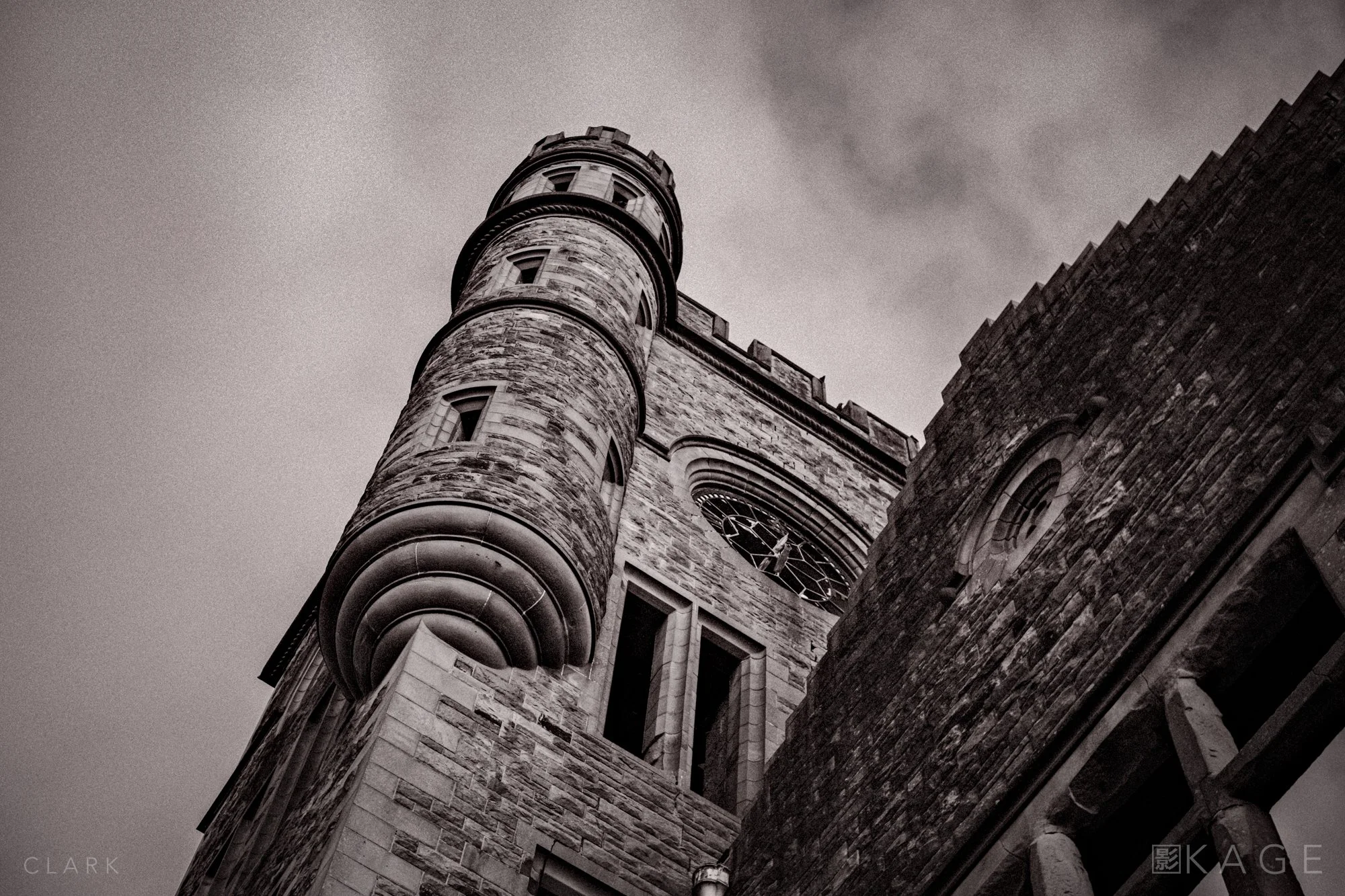
Hartwood Hospital was a mental health hospital until it closed in 1998. It now sits derelict. Nature is reclaiming it day by day. Trees grow inside each of the structures, in some cases taller than the buildings themselves, protruding where roofs once kept out the rain and snow.
Now it sits vacant, with the promise of redevelopment, a promise that grows increasingly doubtful with each passing year. Signs warn of Japanese knotweed on the massive site. Fires break out every few years from would-be arsonists, and who knows what else goes on inside those walls. I visited during a recent snowfall and saw many footprints entering through forced gaps in the security fences.
The railway built access ramps to the local train station many years ago, but who knows if that will ever be used. When you walk these grounds, you might pass a local dog walker, but mostly you are alone with your own thoughts and the sounds of the crows flying in and out of the smashed clock tower. It’s their home now.

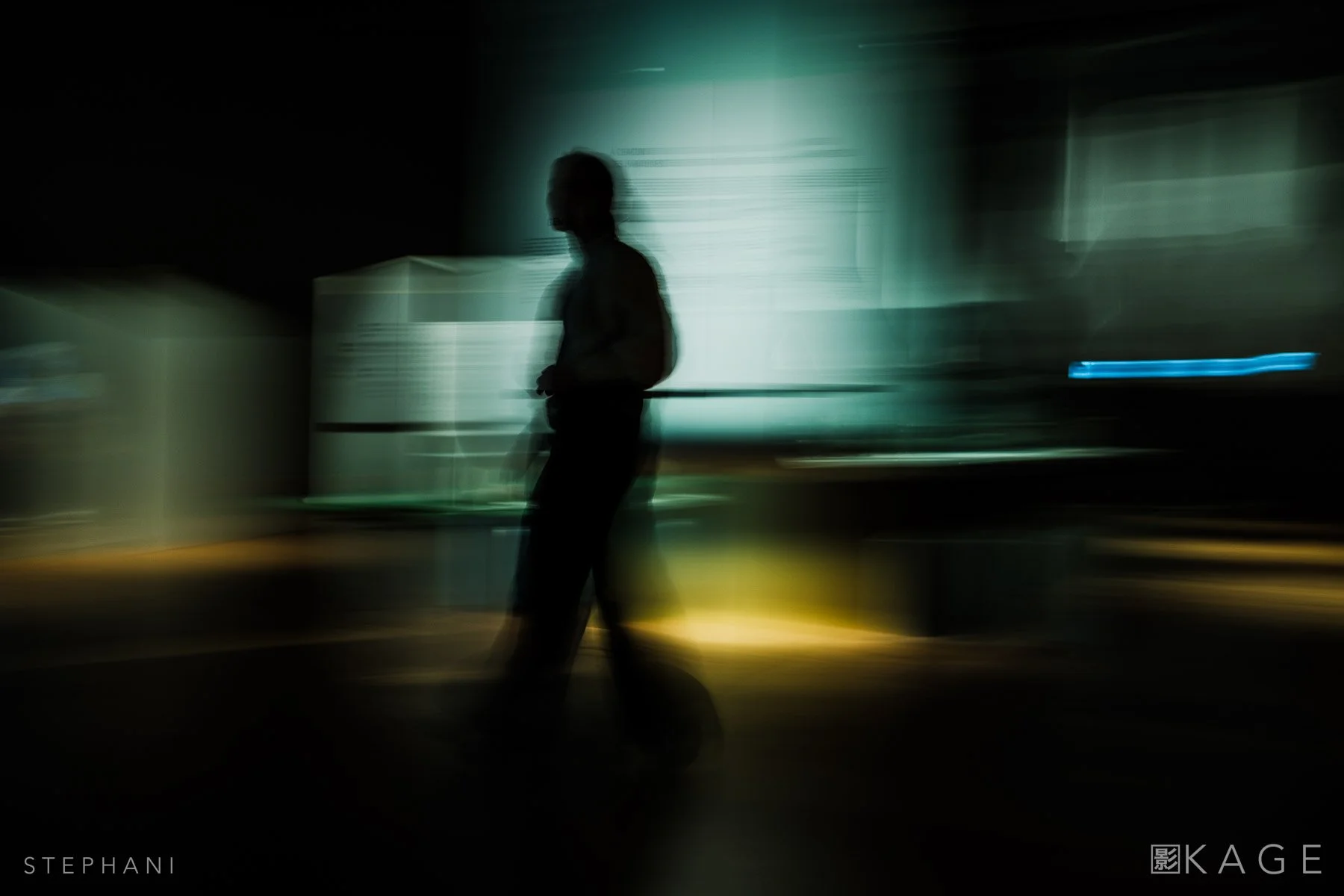
A visit to Museum Mas in Antwerp, captured in 19 exposures of one second each.
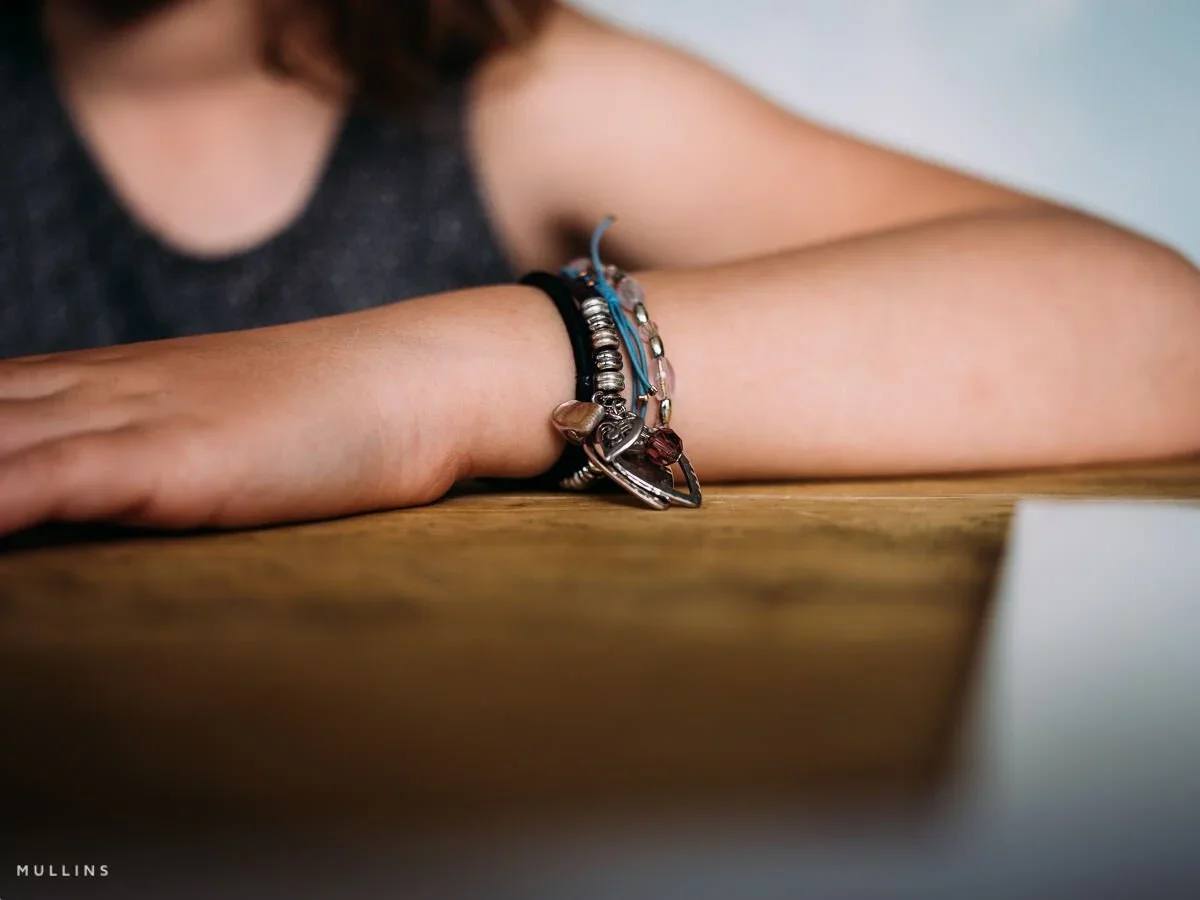
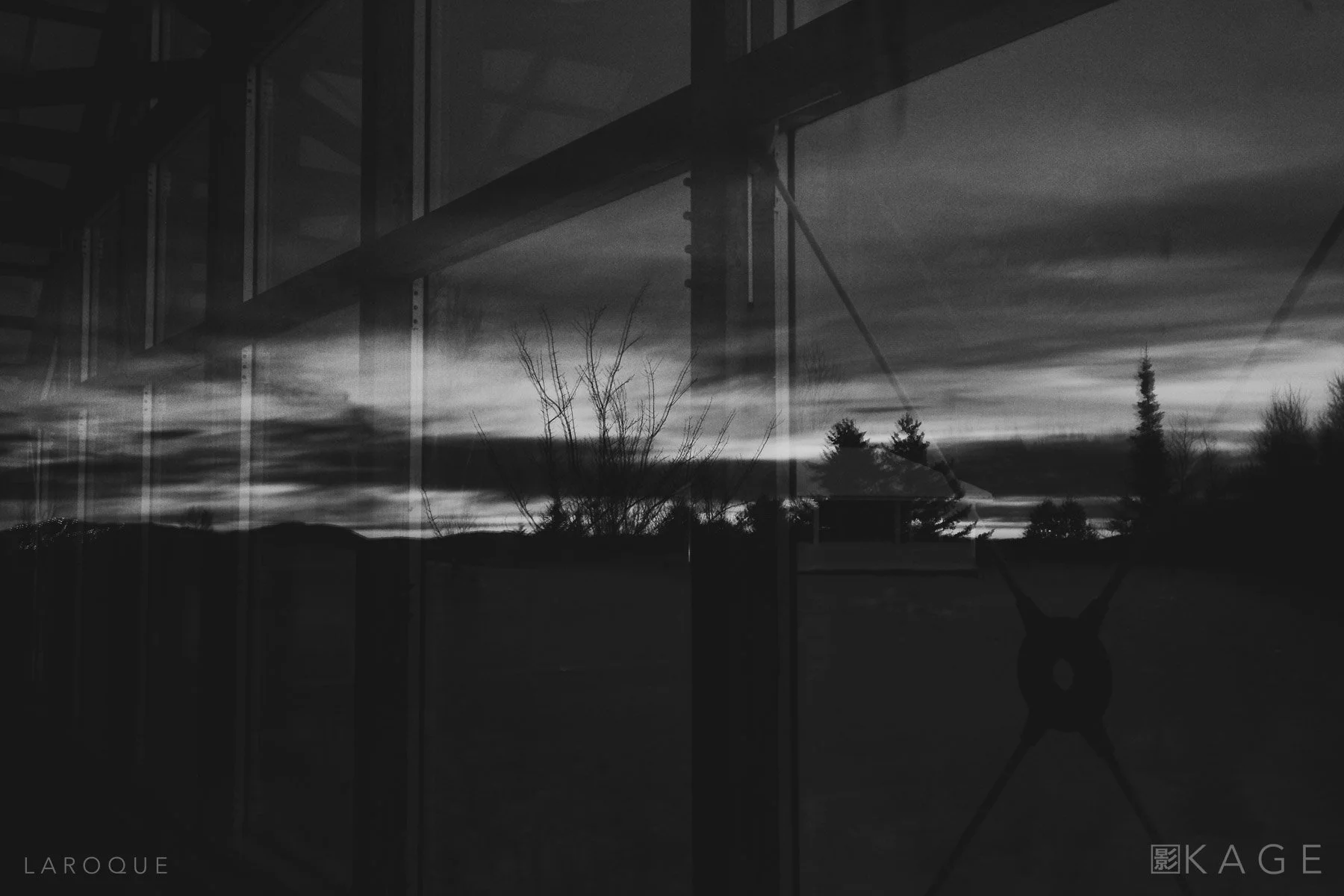

I sometimes see photography as solving a riddle.
You’re faced with near-infinite possibilities every time you look around with a camera in your hand; what lens, what shutter speed, what perspective, what to include and exclude, whether to wait for the light to change—but if you’re like me and have (almost) always used cameras with a sensor based on 35mm film, the one constant has been the shape and proportion of the frame. That’s what the X-Pan gave me all those years ago: a new riddle to solve.
So in the absence of a camera that forced the new perspective on me, I improvised—and it turns out the old riddle was there all along, I just needed to find it; and all it took was a trip around the world to prompt me to go looking for it again…
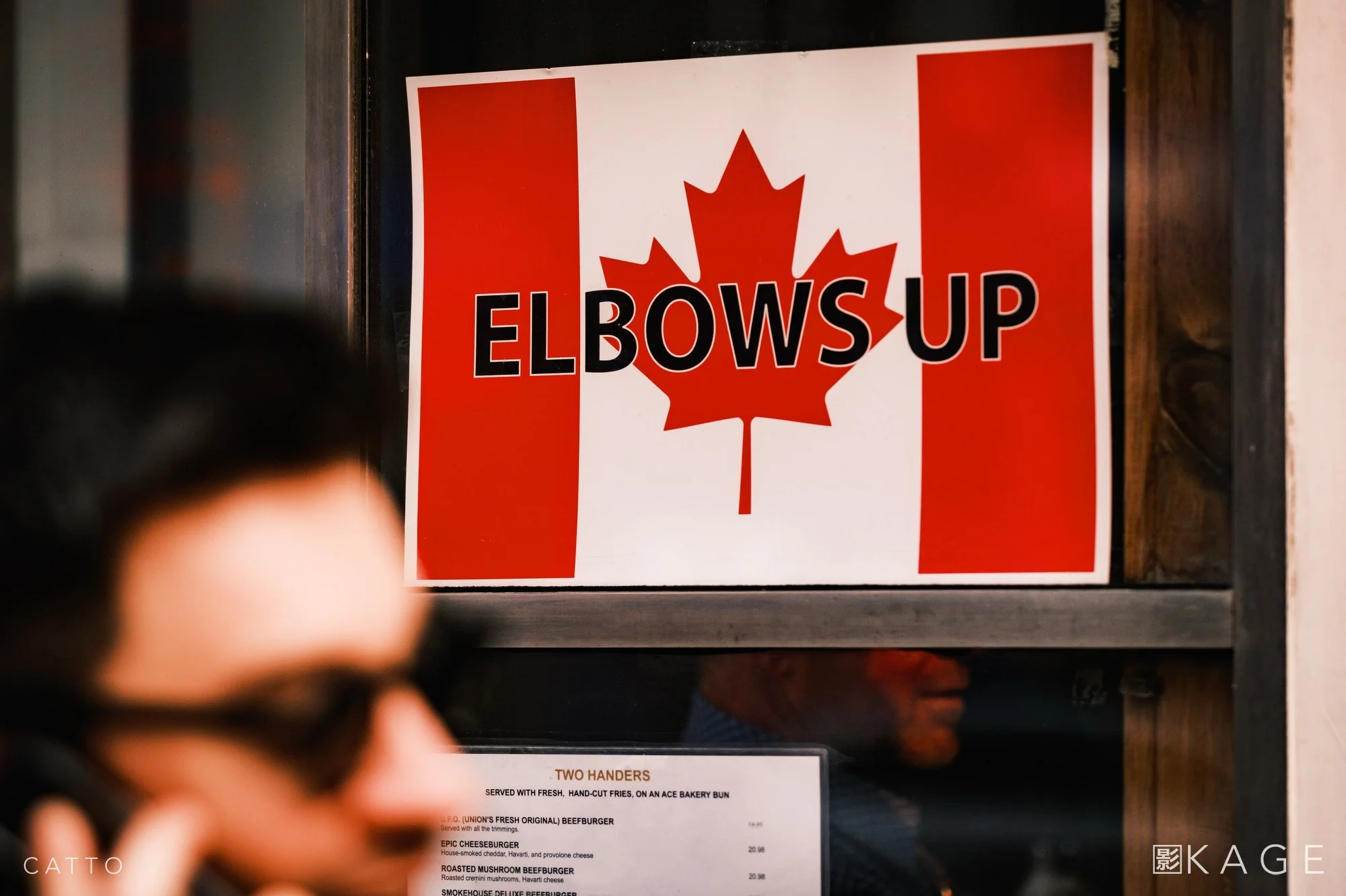
It’s been a funny time to be Canadian, lately.
Even watching from afar, the renewed passion for our home and native land (as the national anthem says) has been startling to see, as threats to make the country “the 51st state” have come from south of the border. Think pieces in august publications like The Atlantic have even discussed what an invasion—however unlikely it seems—might look like, if the trade war became a real one.
And the reaction has been passionate. Canadians have always loved the maple leaf on our flag, but the addition of the phrase ‘elbows up’—a hockey defence for when you’re being charged by an opponent, meaning the first thing they’ll hit is a nice sharp elbow.

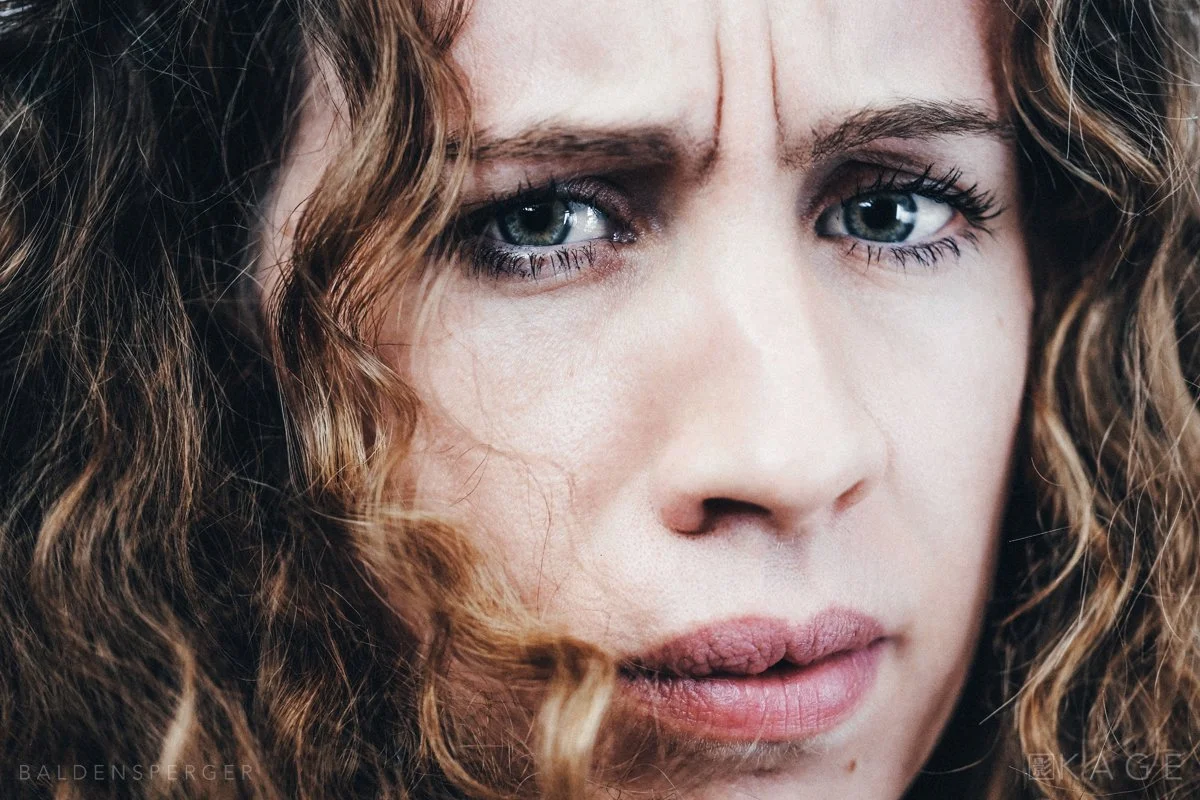
One story told not by how much she changed
but by how clearly she began to show who she already was.

I remember the day the heat the mind's eye beating against sidewalks
people moving arms & legs w faces pressed against stone
and motor oil seeping heartbeats
gashes on the face of a noonday sun blasting
their sinews
their frailties
their pulses.

Jérôme et moi, on se croise de temps en temps, cette fois-ci c’était lors d’un reportage pour le magazine Gault & Millau. Les images sont faciles à réaliser, ici tout est graphique. On plonge direct dans les coups, la chaleur et le bruit, pas de place pour les discussions stériles et superficielles. Gestes, couteaux, c’est brut, précis et millimétré. Pas besoin d’en raconter d’avantage, faut ouvrir les yeux, admirer le savoir-faire et se boucher les oreilles…
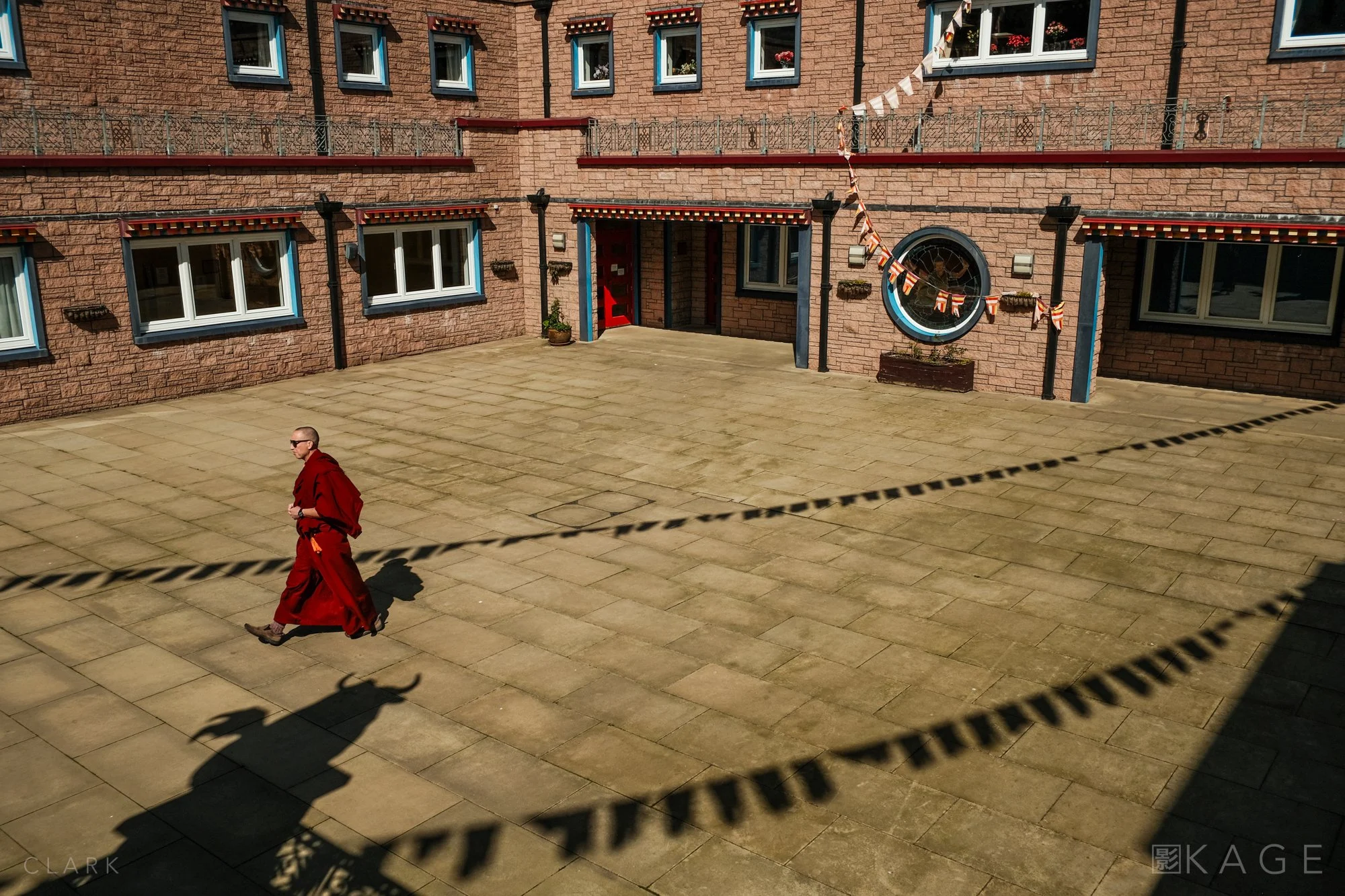
The Samye Ling Tibetan Buddhist Monastery is set in the countryside of Southern Scotland, around 16 miles from Lockerbie and 20 miles from the Scotland/England border. Visiting this monastery is like teleporting to another country at another time. This would be the type of place I would definitely visit while abroad. Being warm and sunny certainly helped create the illusion of another time another place, weather we don’t get an awful lot of in Scotland.
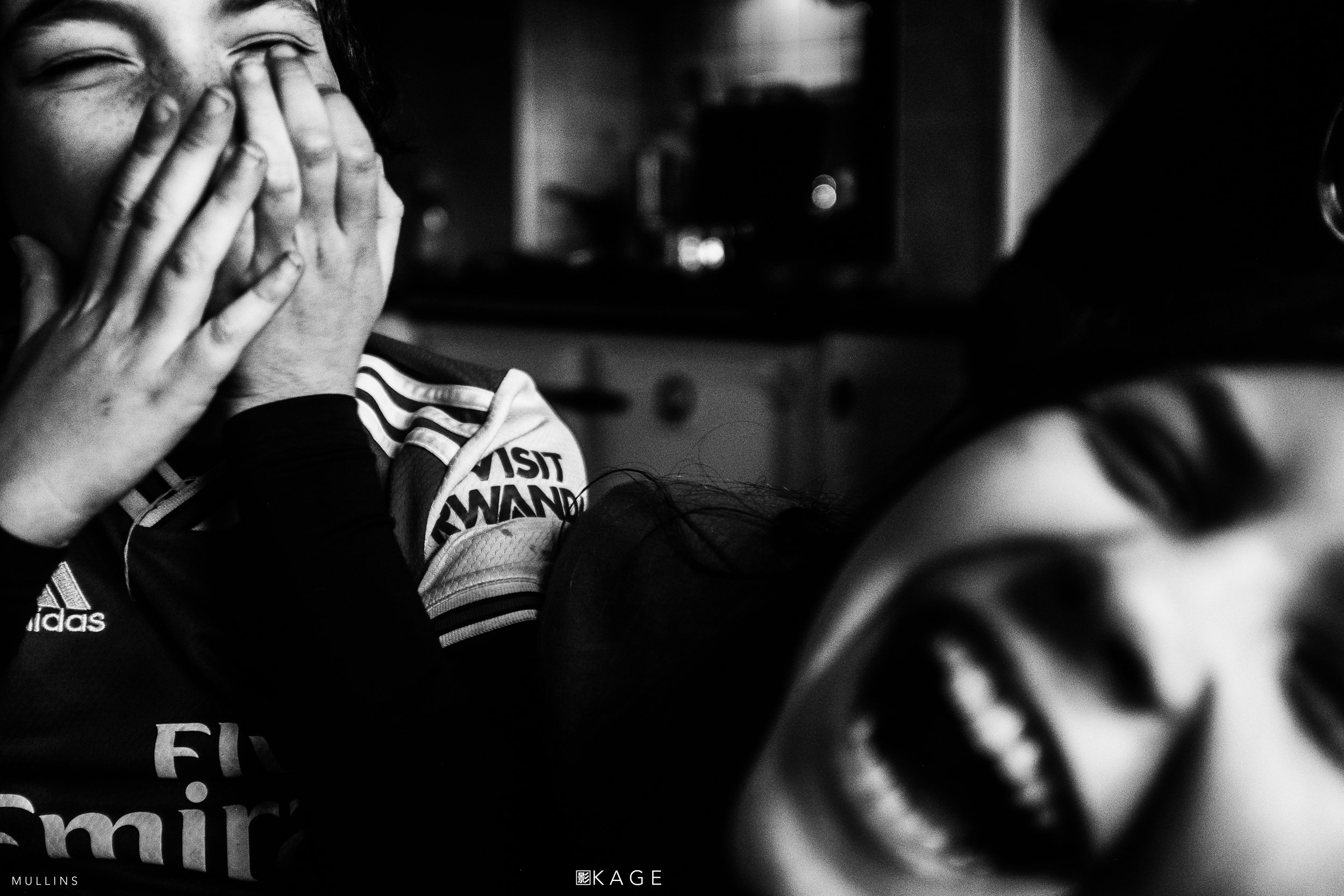
I’m often asked what is my favourite photograph.
And it’s this one. Rosa & Albie. This was one week into the COVID-19 Lockdown, and Gemma and I, like parents all over the world, were trying to normalise everything as much as possible.
We were very lucky.

I work in the space between moments.
Where nothing dramatic happens
but everything changes.
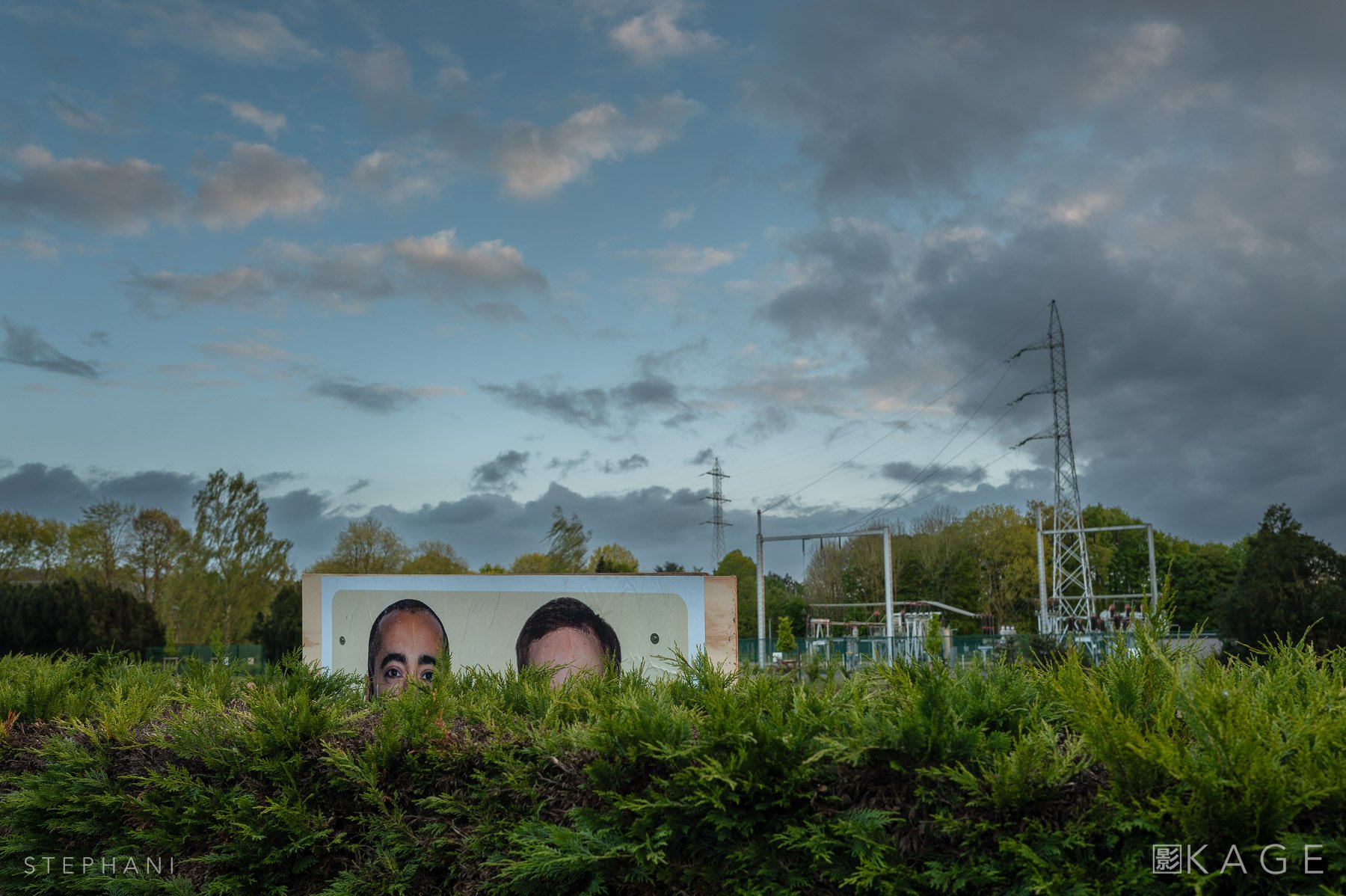
This is a series that I made last year when we had two elections (Belgium is way too complicated for it’s size). By the time the political frenzy was over I was so tired of the circus that I really didn’t do much with this set of pictures … until now.
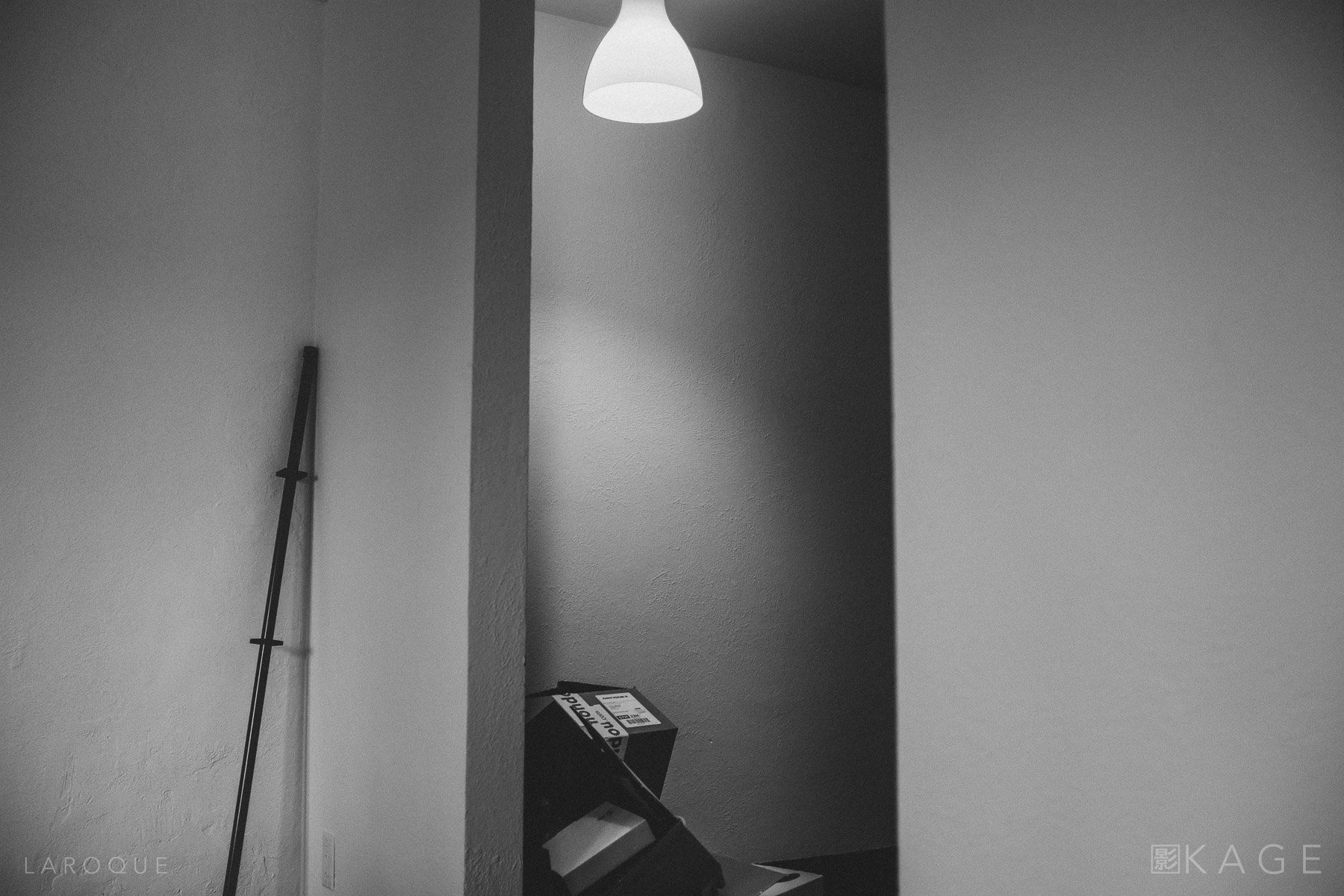
The streets are still gray and dirty from winter, but we're standing at the very edge of spring and an explosion is coming.
They say the first cut is the deepest, but that was a year ago: our first kid moving out of our house. Two of them did, in fact, both studying in other towns too far to commute. But this move, this year, is different: Jacob's back in Montreal, but not with us—he has his own place now, an empty apartment, a space for which he can draw the blueprints. With friends nearby, the pulsing beat of the city, police sirens and traffic and bars and summer fests. Real life. They lucked out, him and his cousin, finding this spot in a tough market, in a coveted neighbourhood.
Closer to home, but that much further away.
Clean slate.
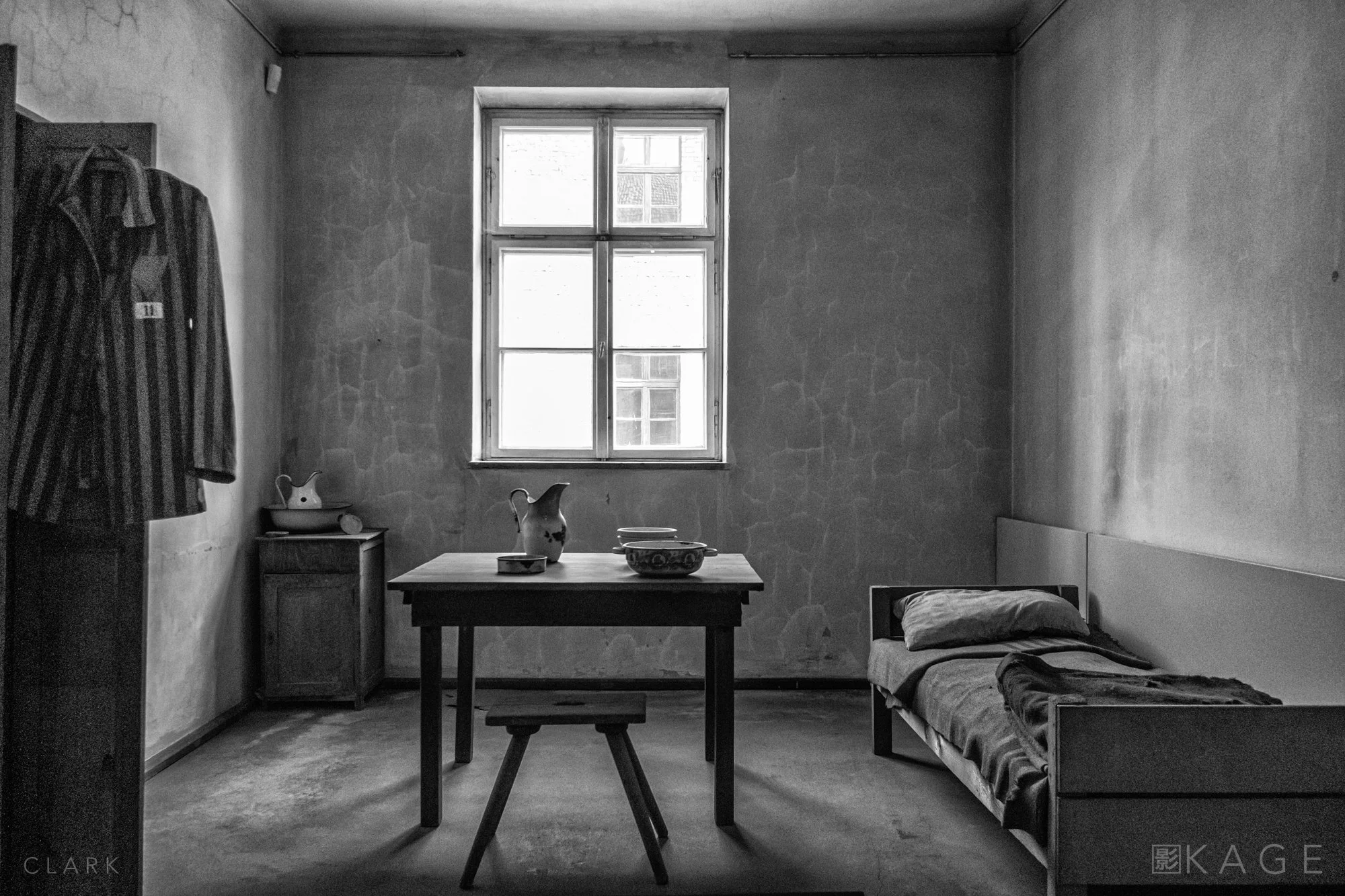
I’m confused. After all these years of wanting to visit and photograph Auschwitz, I finally went, and it was indeed a moving experience as you would expect. But it’s also tainted by the realisation that we have already entered into a dark time in the present day that feels every bit as dangerous as the late 1930s. Auschwitz for me stands as a reminder of how dark and despicable humans can be, and that we can never go there again. But we are.

Quelques instantanés en forme de révérence,
goûts et couleurs illustrants l’âme d’un père
qui s’est offert un beau voyage de l’autre côté du chemin
en ce début d’année 2025…

Hartwood Hospital was a mental health hospital until it closed in 1998. It now sits derelict. Nature is reclaiming it day by day. Trees grow inside each of the structures, in some cases taller than the buildings themselves, protruding where roofs once kept out the rain and snow.
Now it sits vacant, with the promise of redevelopment, a promise that grows increasingly doubtful with each passing year. Signs warn of Japanese knotweed on the massive site. Fires break out every few years from would-be arsonists, and who knows what else goes on inside those walls. I visited during a recent snowfall and saw many footprints entering through forced gaps in the security fences.
The railway built access ramps to the local train station many years ago, but who knows if that will ever be used. When you walk these grounds, you might pass a local dog walker, but mostly you are alone with your own thoughts and the sounds of the crows flying in and out of the smashed clock tower. It’s their home now.