ISSUES
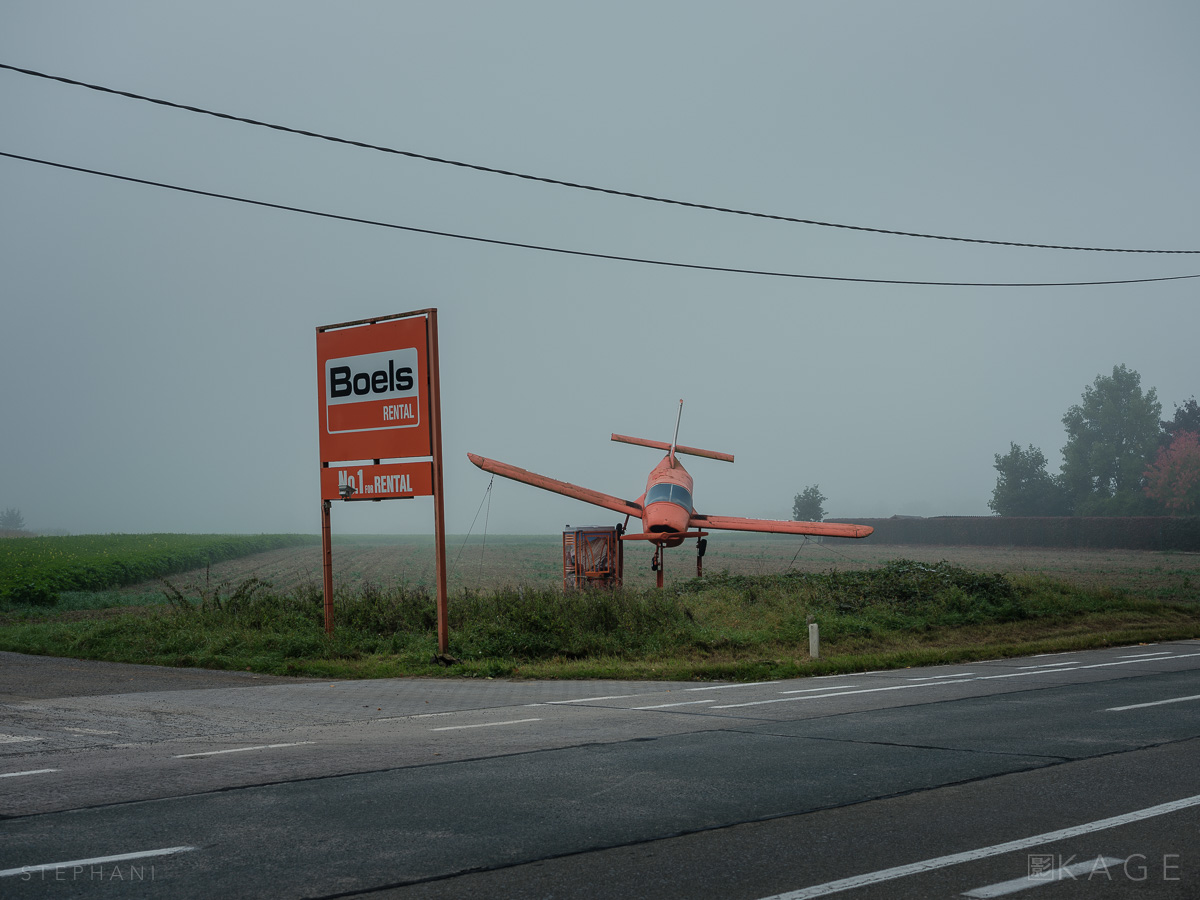


It all could have been so simple.
For the last two years - and even more so in the past few months - the Australian Government has been struggling with the question of same-sex marriage, and if/when/how to legalise it within this modern, developed, and yet conservative, country.
With recent polling showing something over 70% public support for marriage equality, it seemed like a slam dunk - any government who passed such a bill would, you'd think, get a boost in popularity…


It takes a little getting used to - the constant rushing forward.
Travelling by Shinkansen, Japan's high-speed rail system, feels at first like a plane taking off; but, you never quite achieve flight, and the acceleration seems endless.
Out the window, anything close is passing to quickly to focus on; so you adjust to a series of glimpses, of passing cities, farms, stations. And, occasionally, a human form - a face, a shape, a silhouette. A flicker of life outside the metal tube...


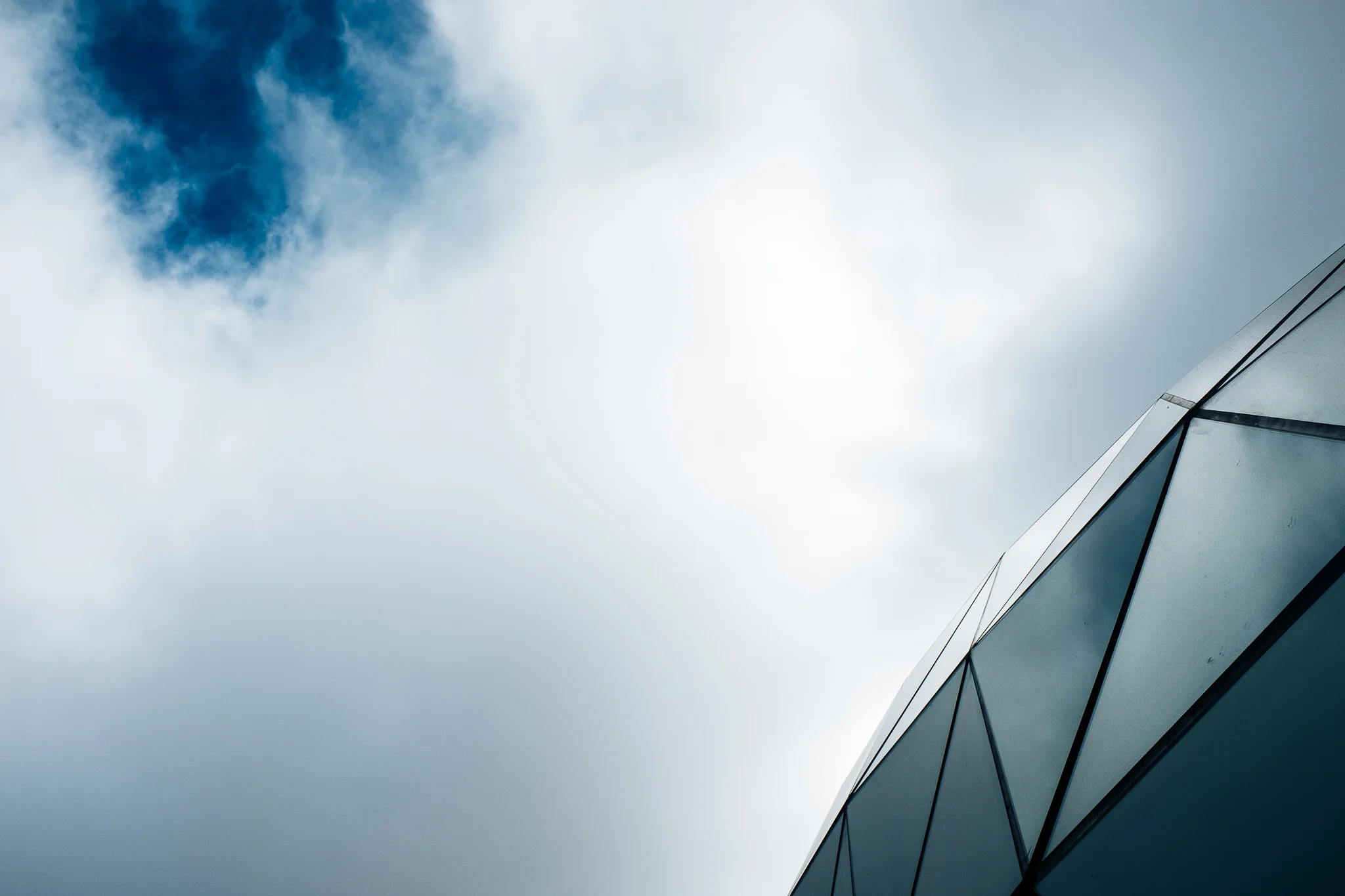




For ten days, we race around the country, often unsure of our exact location.
Coming as we did from near-summer in Australia to near-winter in Japan, the angle of light and the shortness of the days strike me most; when we arrive at our destination for the night, as often as not it is getting dark, the shadows are deep.
But between the rushing forward, there are moments of tranquility; even in the bustle of cities, among the crowded tourist spots, the giant car parks full of buses.
A time for prayer; an ice cream cone; a flight of birds; an evening shower.


One of my favourite things about Don McGlashan's songwriting (and there are many) is this - the choice he makes about the perspective, or point of view, of the characters in a song.
Harbour Bridge is a perfect example - it's a song about parting, about breaking up with someone you love; but the person singing it manages to pin all their problems on the various failings of...the bridge they're driving across.
If only bridge weren't so grey / long / high / convenient, he'd have been able to think of, and say, everything he wanted to tell her; and, maybe, she'd have stayed...





Sometimes, it's an accidental discovery.
We spent Easter with friends in the small town of Mudgee, New South Wales - a 4h drive from Sydney, over the Blue Mountains - but it was an artwork I'd stumbled across days before, down a laneway near home, that stuck in my mind while I was there.
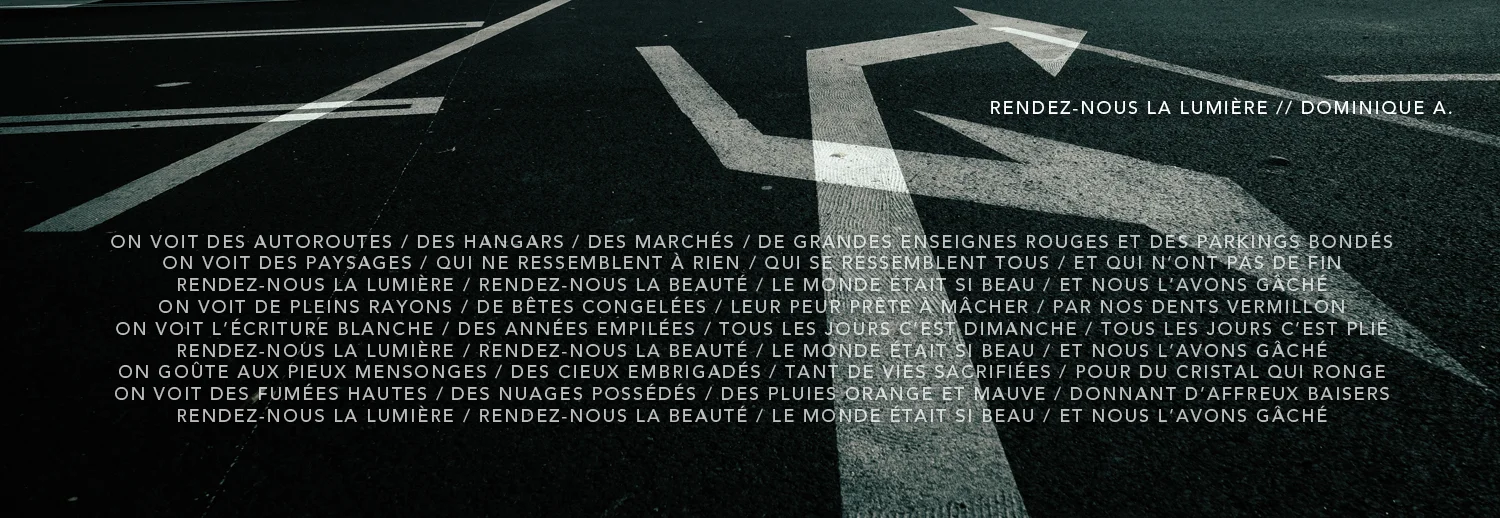
DIRECT SUNLIGHT, it read - painted on the street, in an alley so narrow it would hardly ever actually get sun, except the way it did when I was there: bounced off the windows of a building.
But the rest of us do, in this country. You can hardly avoid it.
It defines the place.

Jane Bown is one of my principal inspirations. Although her images were more portrait orientated, I still consider them to have great narrative and context well beyond a formal photograph.
The quote at the beginning of this article from Jane strikes a chord with me. The camera market these days is like a fast-moving train. Every month there seem to be new releases from all the main manufacturers; each proclaiming the newest camera will be better and faster and give you the ability to make better pictures.
And of course, from a technical standpoint, this may be true - especially for technical photography genres like Sports, Wildlife, Astro-photography etc.
Though the images that speak to me are always ones that have personality, depth, emotion and often..... no colour.


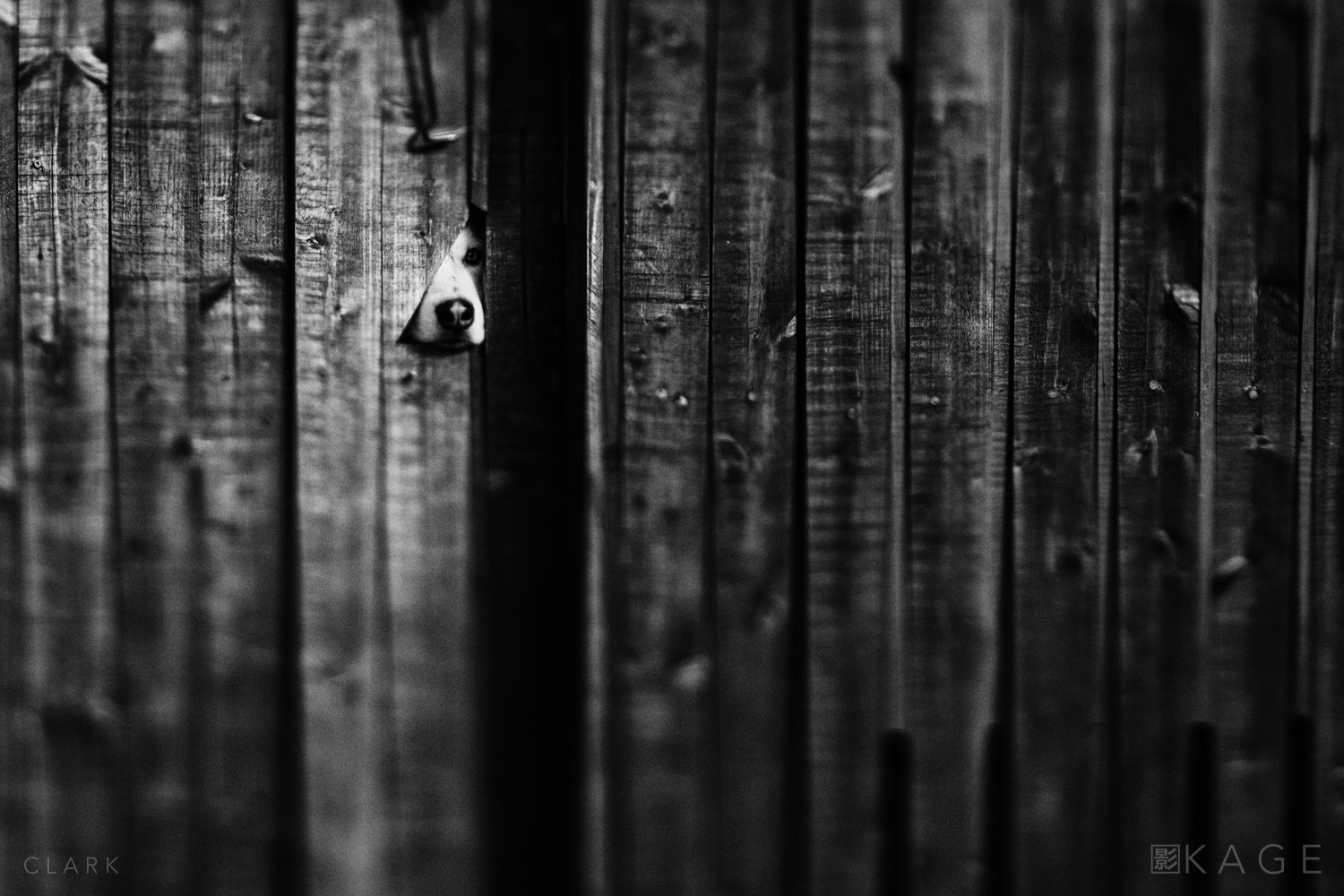

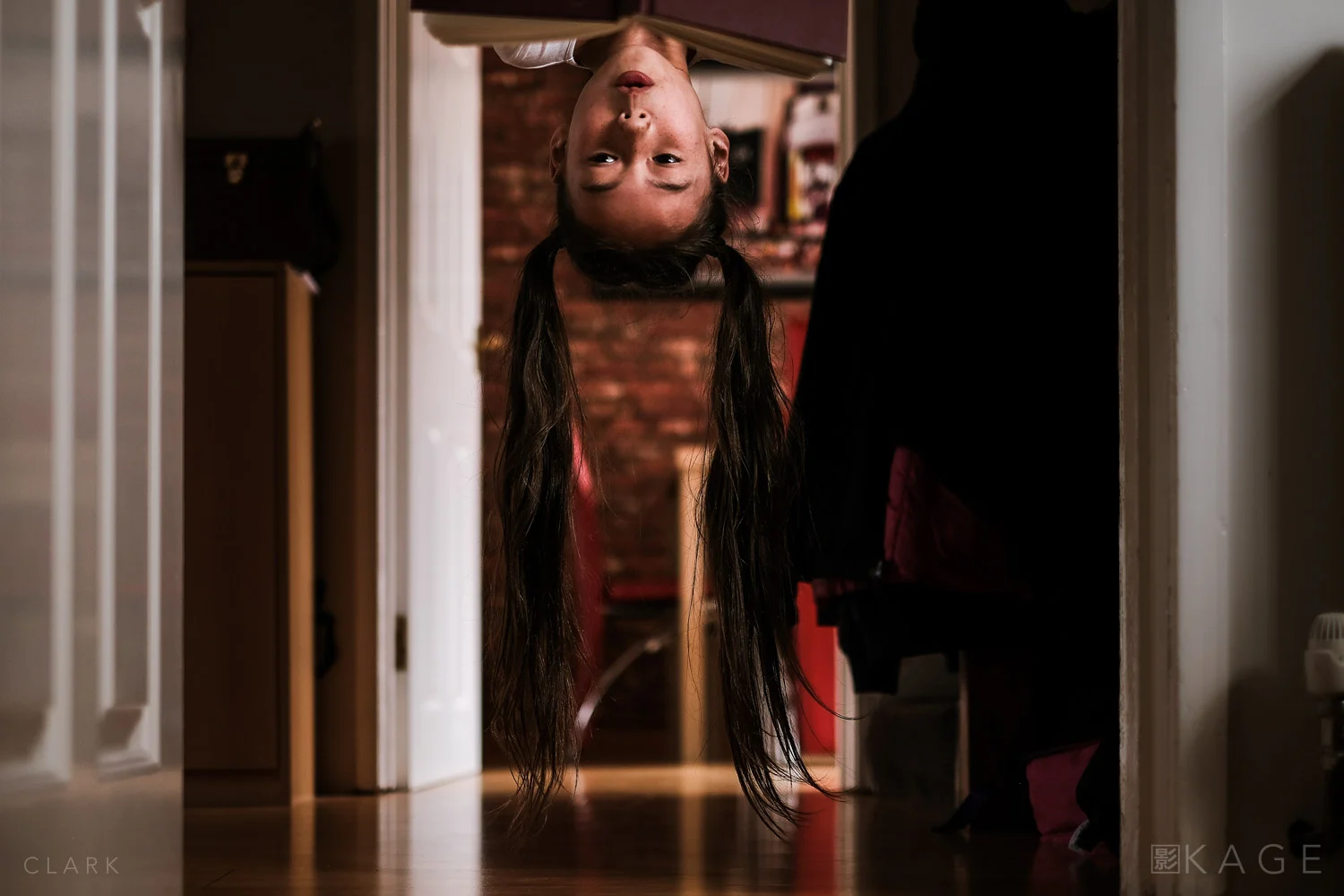


Surry Hills, my suburb in Sydney, is a bit different to everywhere I've lived before.
The history of this area is much more visible, in the buildings and streets that surround me every day; and being so close to the centre of Sydney means I spend much more of my time walking from place to place, spotting little details that haven't changed in a hundred years or more.
So my mental map of this city, built up over the last five years of living here, is based on these markers, these waypoints - the old church, the loading dock, the grocer - that tell me how far it is home, where to turn, which block this is…