
ISSUES


Like a lot of cities, the real estate market in Sydney's inner suburbs seems to live by its own rules.
The character of Surry Hills is changing rapidly. While a lot of the buildings are of a similar style, 100-year-old worker's cottages, their condition veers wildly, from run-down student share houses with tattered flags in the window, to million dollar renovations with sports cars and SUVs parked out front.
This was never more apparent than recently, when the home of Natalie Jean Wood was put up for sale, after she was found to have died in her bed - eight years previously - and never been reported missing, or checked on by family or friends, in that time.






There are always two sides to every event, a wise photographer once told me; there's what's happening, and then there's the audience's reaction to what's happening.
I often say to my friends, you can tell when I've had a really good time at something, because there aren't any photos of it. By which I mean, I've been so caught up in whatever it was - a concert, a party, a dinner with friends - that I never once thought about documenting it for others, or for myself in the future...
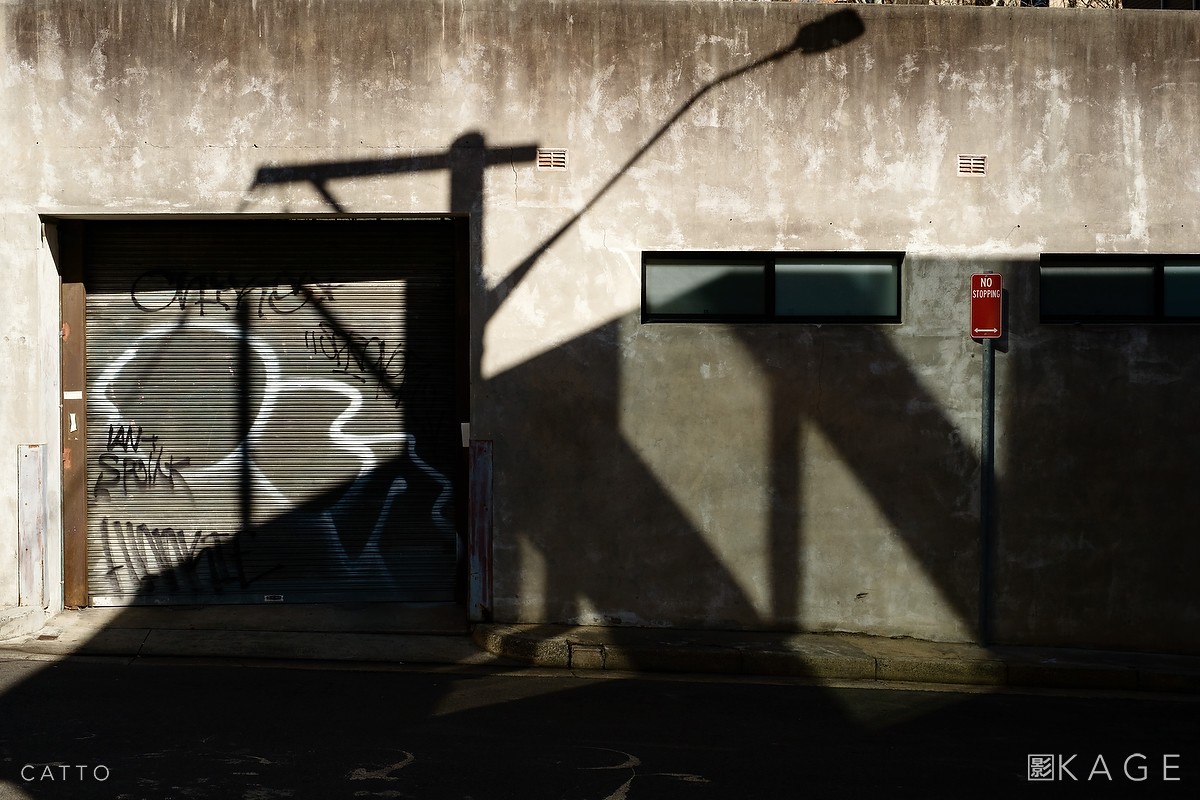
Photos by Robert Catto, taken on Thursday 2 June, 2016.


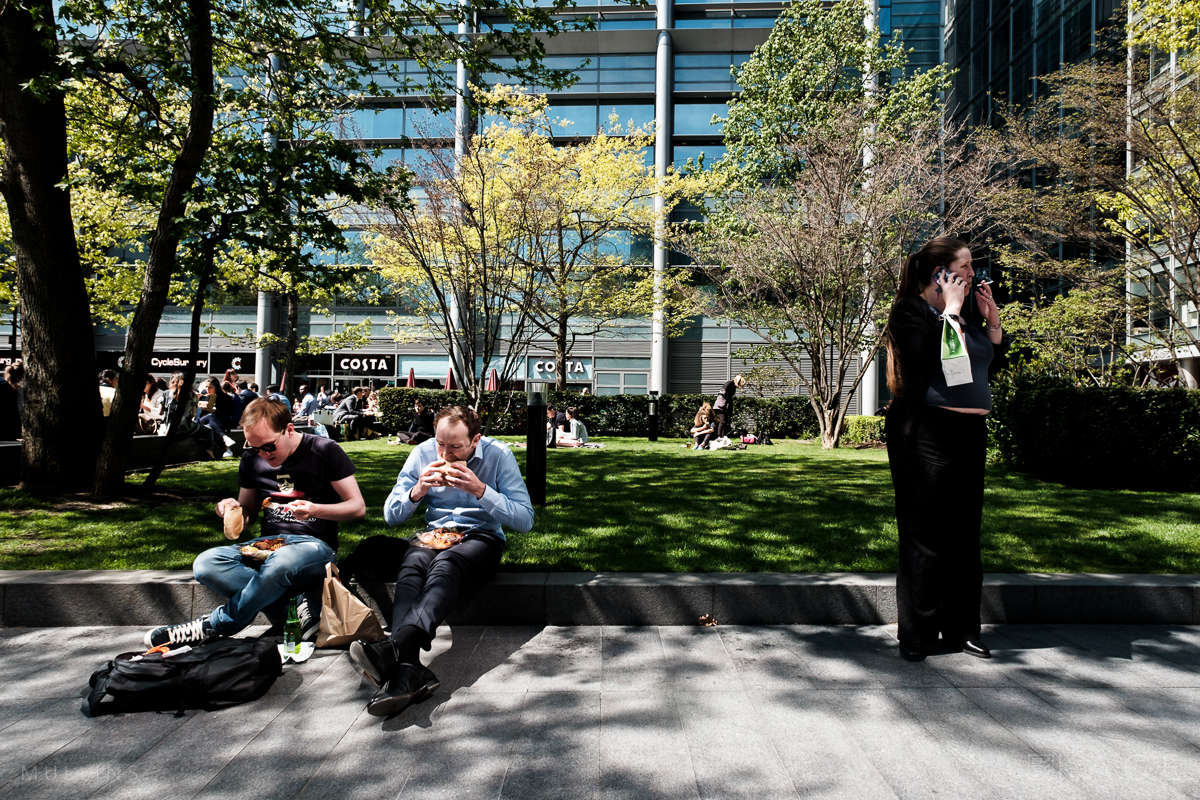


It seems like a lot of cities of a certain age have a suburb named Newtown - or Villeneuve, or the local equivalent. The general rule seems to be that they're usually the second centre to be created, after the main downtown area becomes established; so, most often, they're just a little more than walking distance from the core of the city, but easily accessible by modern transportation.
Somehow though, that distance acts as a barrier just long enough for them to get a bit run down, to lag behind the modernisation or gentrification that hits the closer suburbs first. So, they're the last bastion of the independent shopkeep, the stores set up thirty to fifty years ago in the one location, who are still hanging on - even as the shopping malls and megastores spring up nearby...






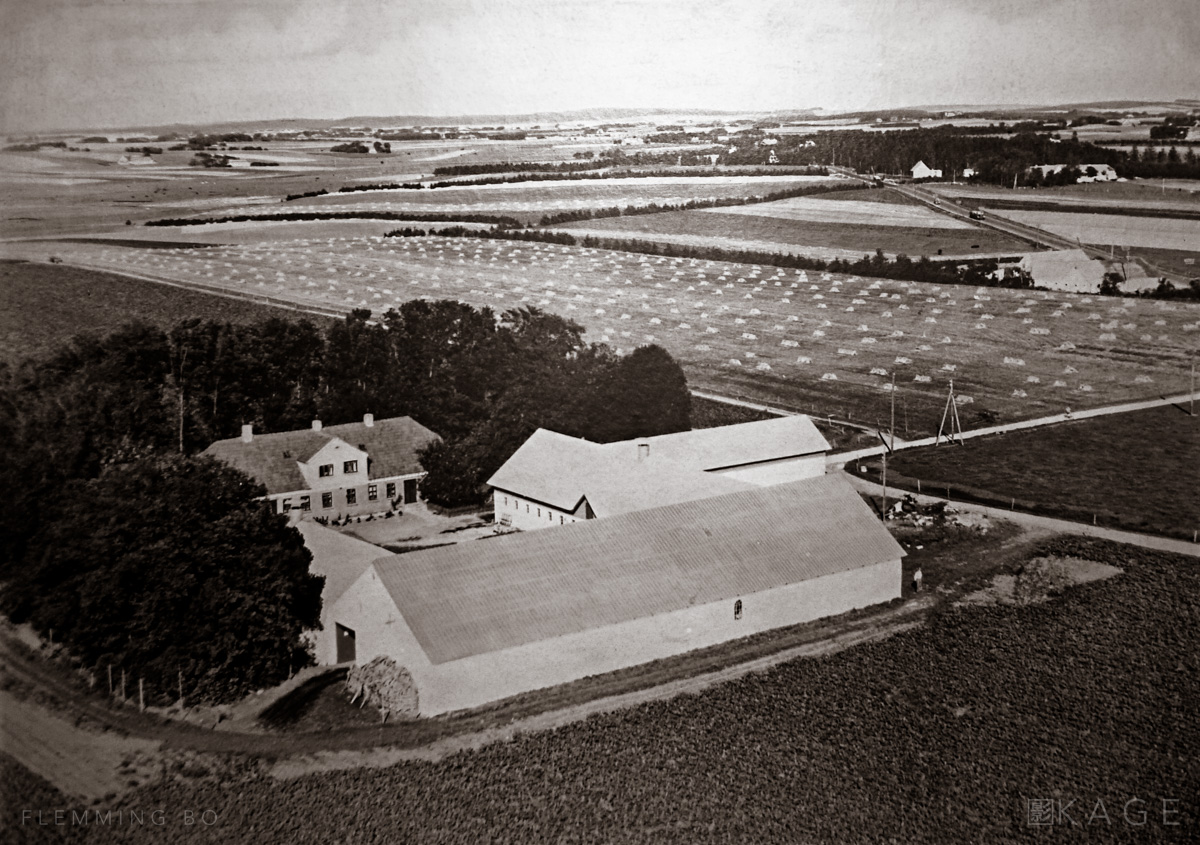


In 2005, as part of a major career retrospective and touring exhibition, Ans Westra's Handboek was published - a collection of essays, interviews and images from her career spanning the late 1950s through to just months before the book was released. Curator (and long time friend of Westra's) Luit Beirenga gathered a group of New Zealand's best and brightest commentators to contribute to this, and the essays are both thoughtful and direct - much like Ans' own work.
If you haven't been to New Zealand, and lived there for several years, you most likely won't know the name, or the work. She moved from the Netherlands in the late 1950s, and began working with academic publishers on school books for Kiwi children, recording life as it was lived at the time.
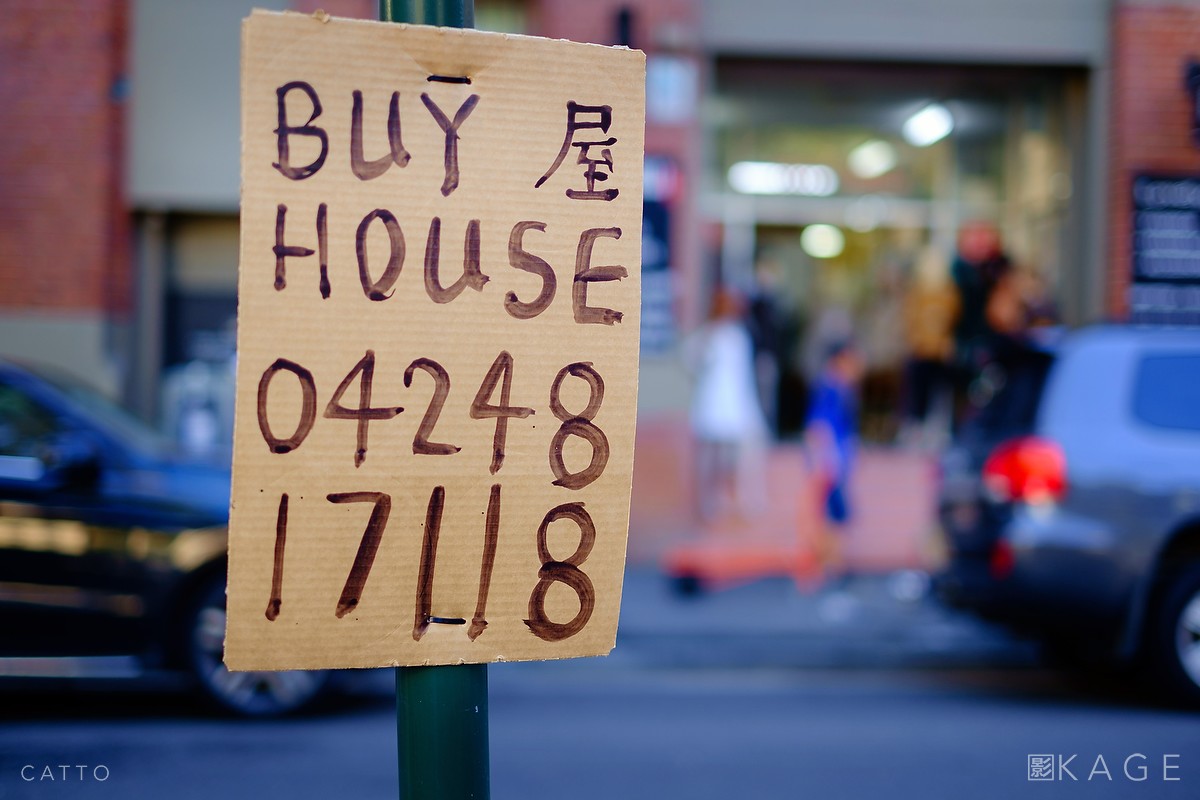


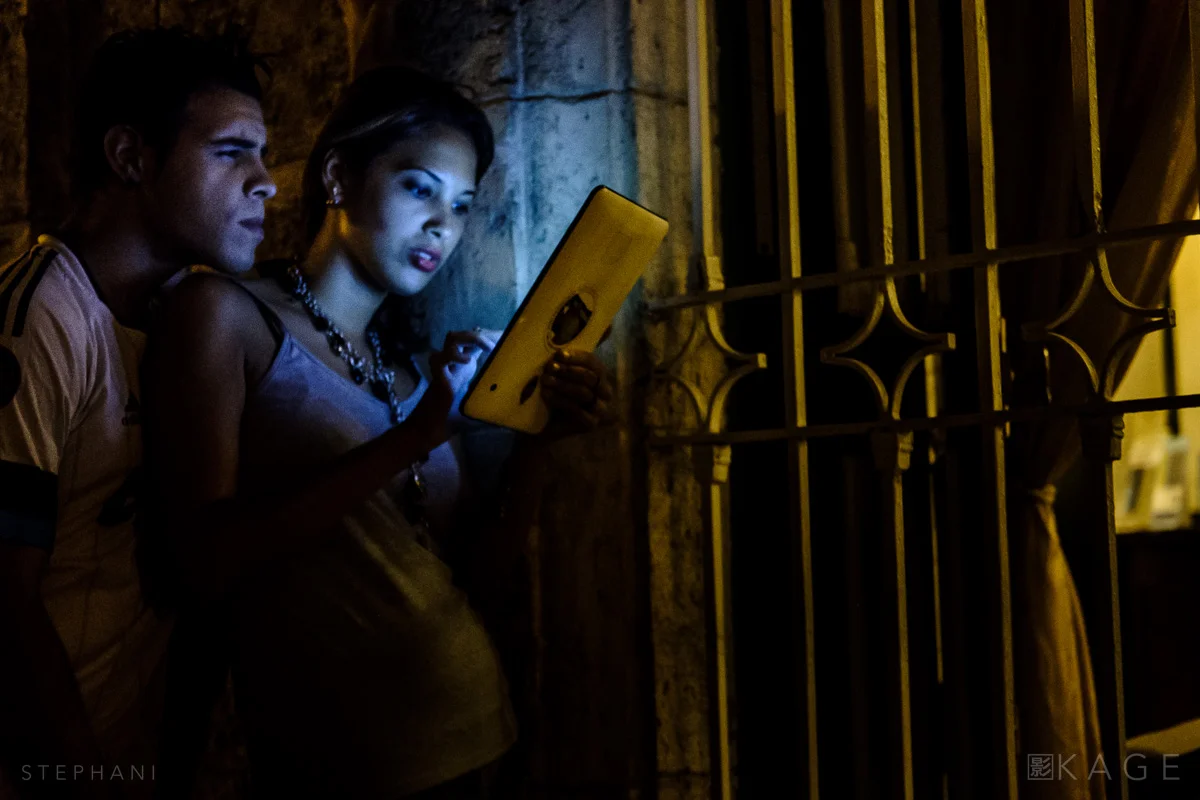

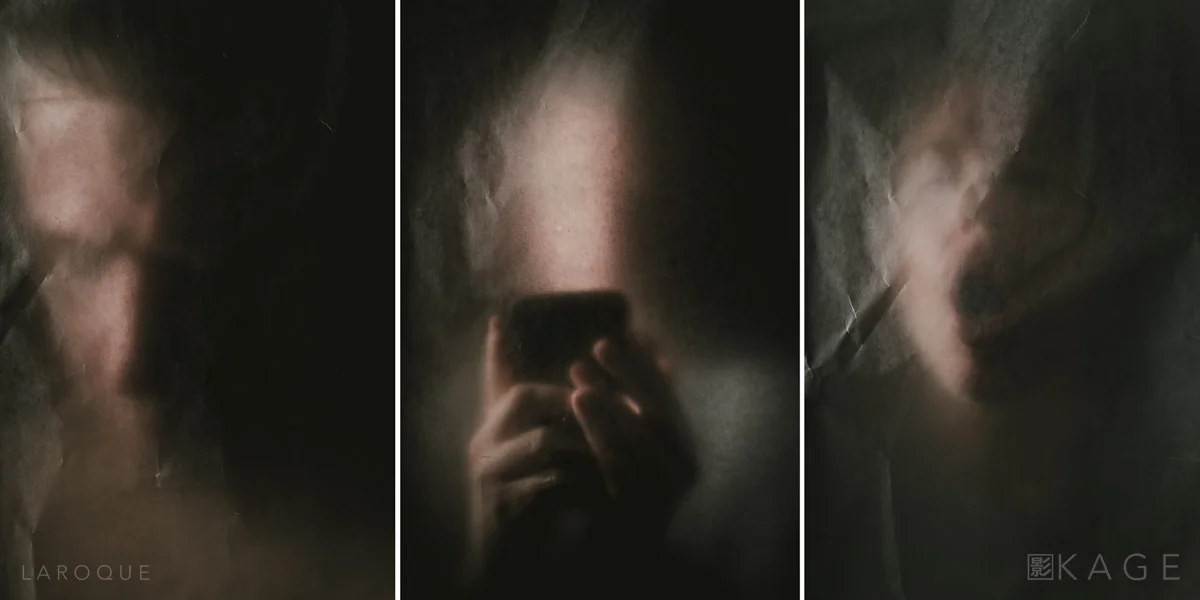


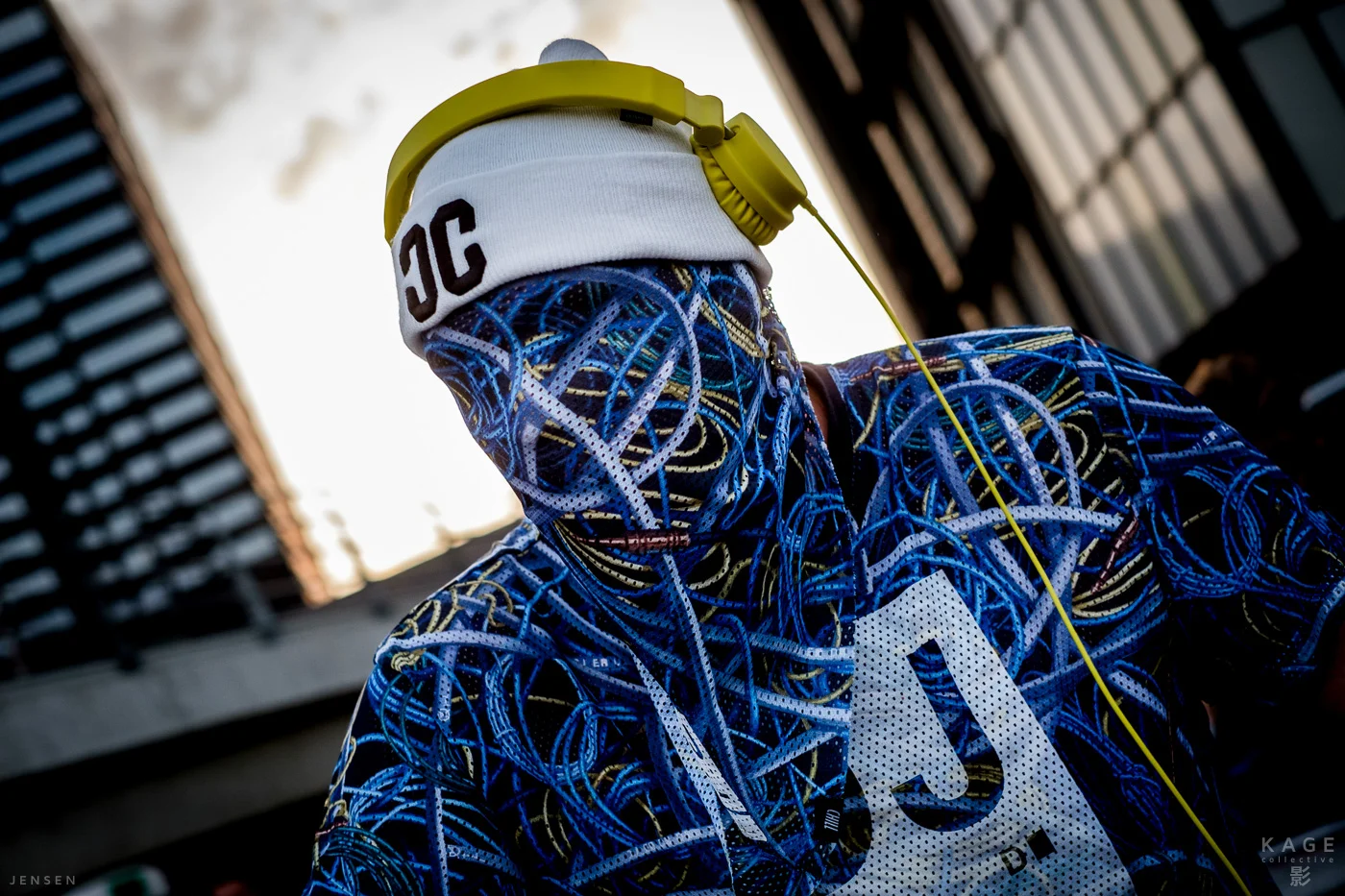
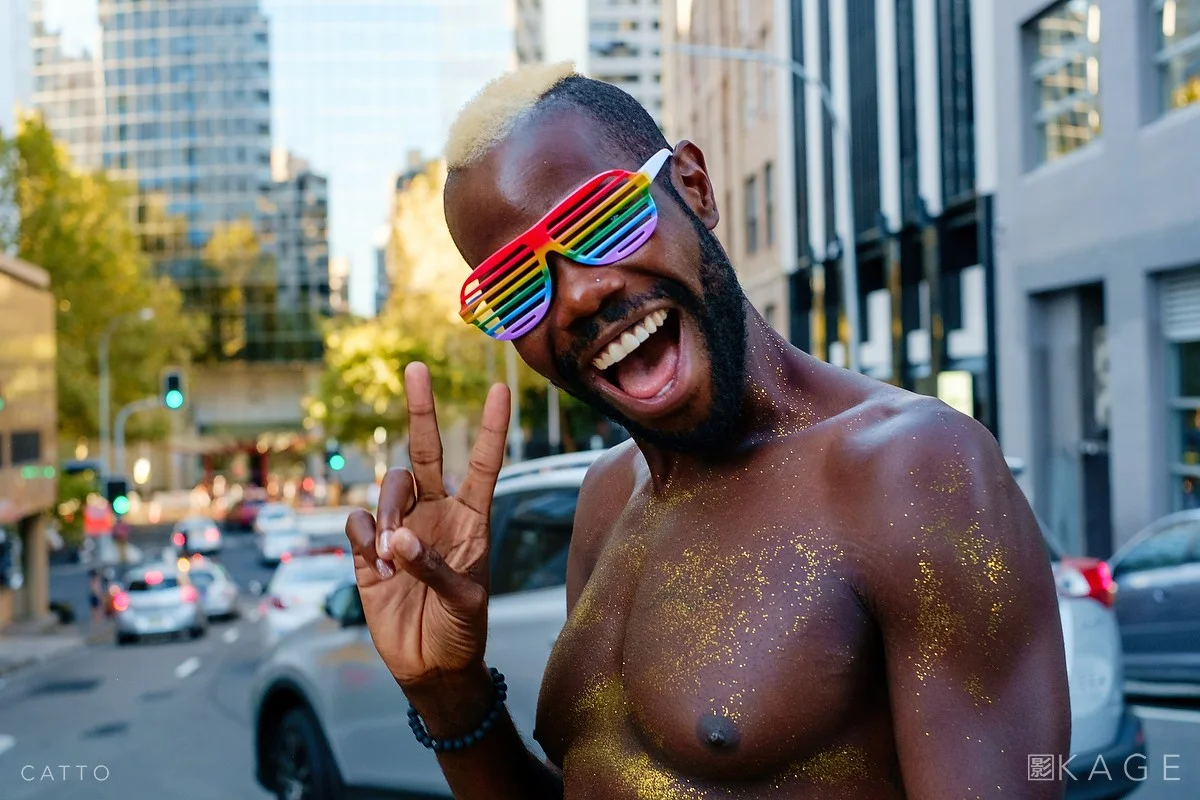
Sydney's Gay & Lesbian Mardi Gras is known around the world for the outstanding costumes and colour in the annual parade down Oxford Street; but I've found the audience is quite often as impressive as the participants.
Being such a popular event, it brings people from around the globe - indeed, I was saying to a neighbour that the spare bedrooms of Sydney are filled to bursting, that weekend - and an incredible volume of feathers, fake fur, wigs, and most of all glitter are put to use in ways they may or may not have been designed for...


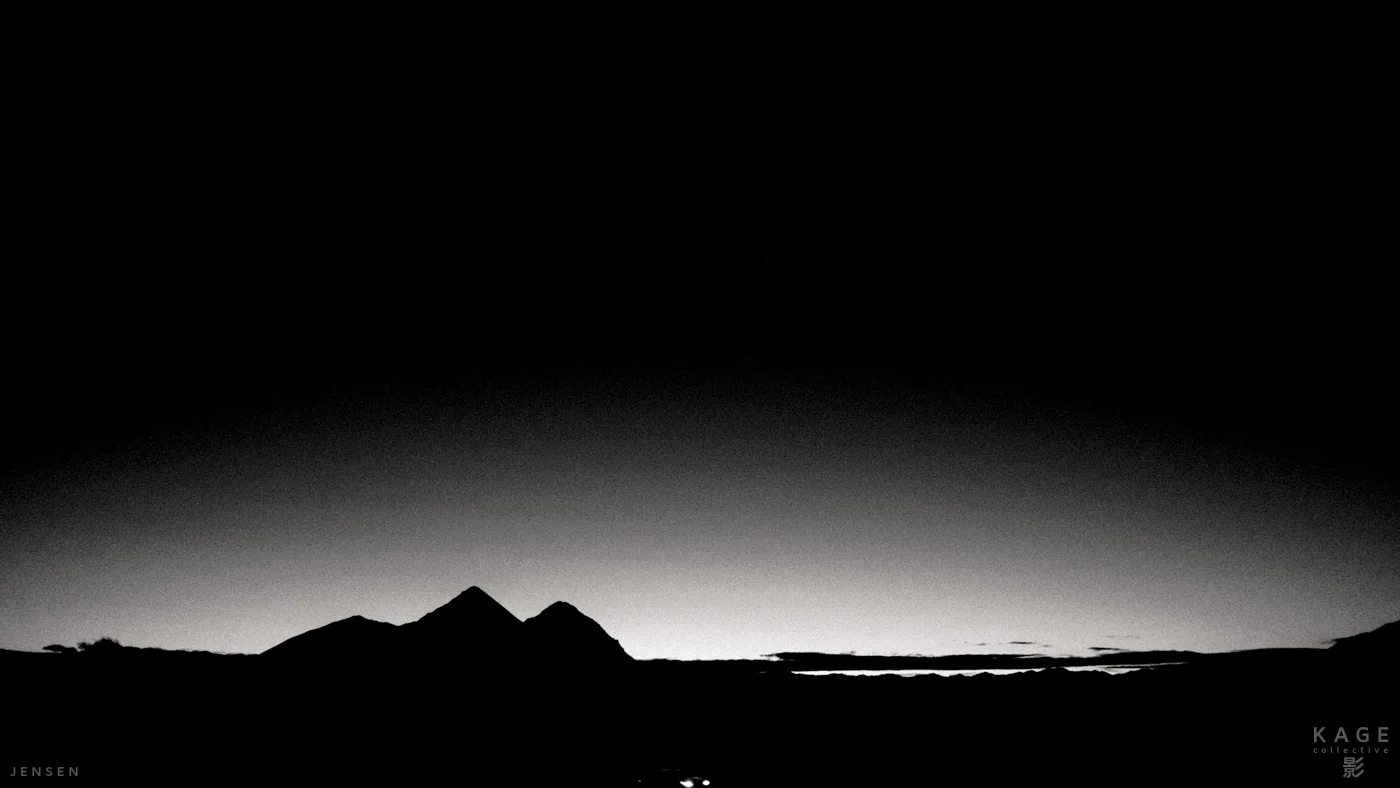


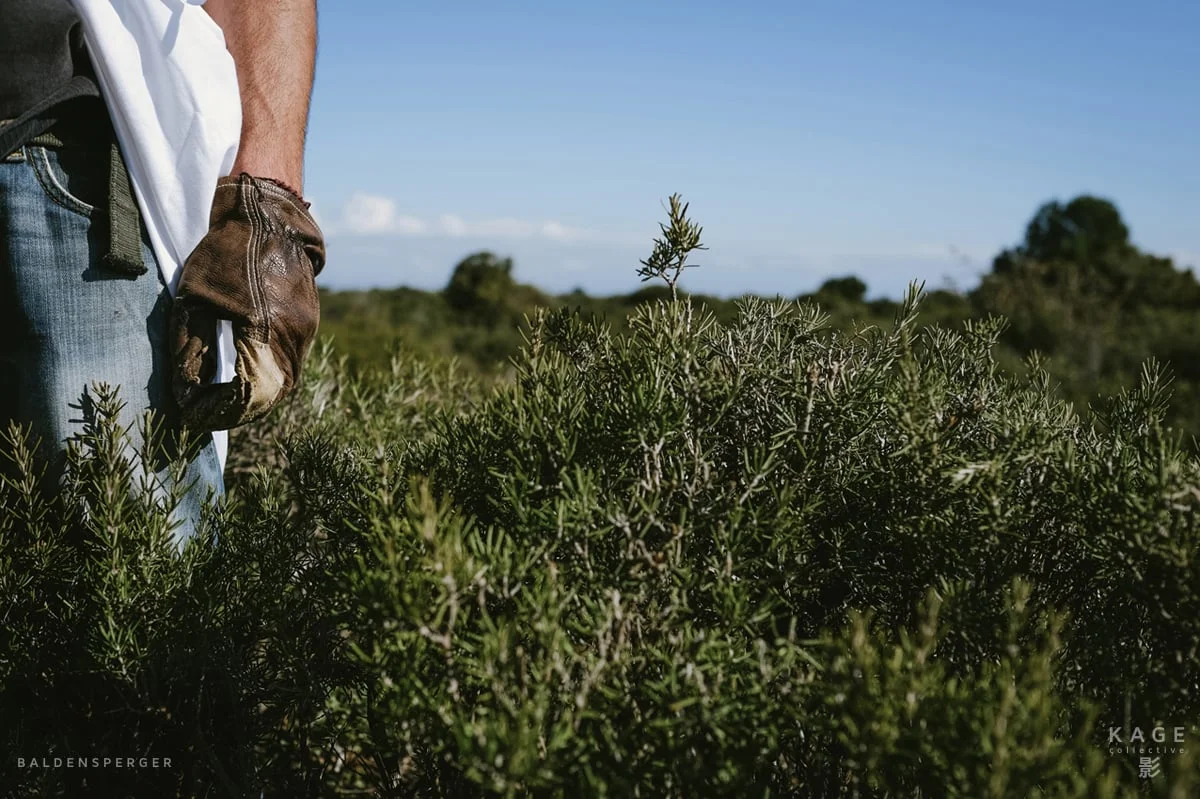

Waitangi Day, 6 February, celebrates the anniversary of the signing of the Treaty of Waitangi between the Crown and 500 Māori chiefs in 1840, which - depending on the translation - allowed the English to remain in Aotearoa and act as administrators for the new country, or else handed sovereignty of the islands to Queen Victoria. The political history of New Zealand since then has revolved around the difference between those two versions of the one agreement.
So when I heard about the celebrations here in Sydney, I wondered what it would be like to celebrate this national day in another country - Australia - with a different history. And I wondered how the Tangata Whenua - 'the people of the land' - fit in, and celebrated their culture, on someone else's turf...
Images of Waitangi Day in Sydney by Robert Catto, captured at Holroyd Gardens in Sydney on Saturday 6 February, 2016.

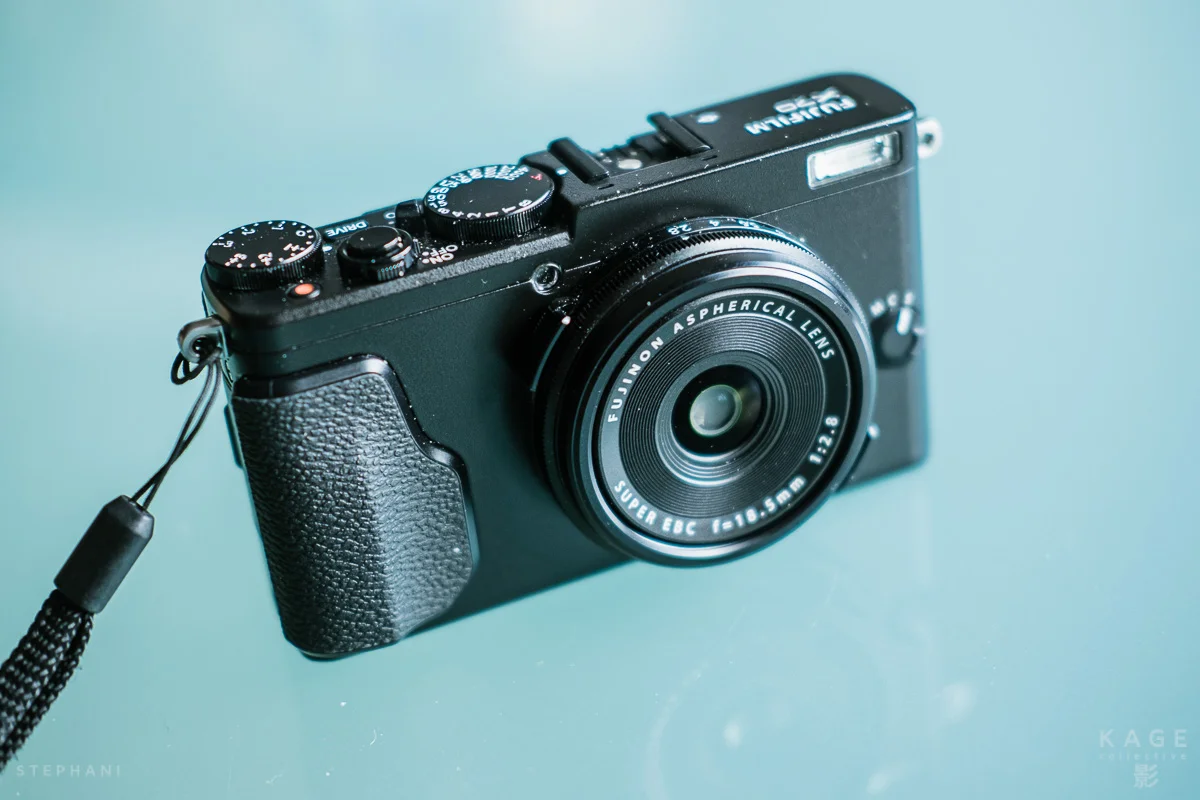

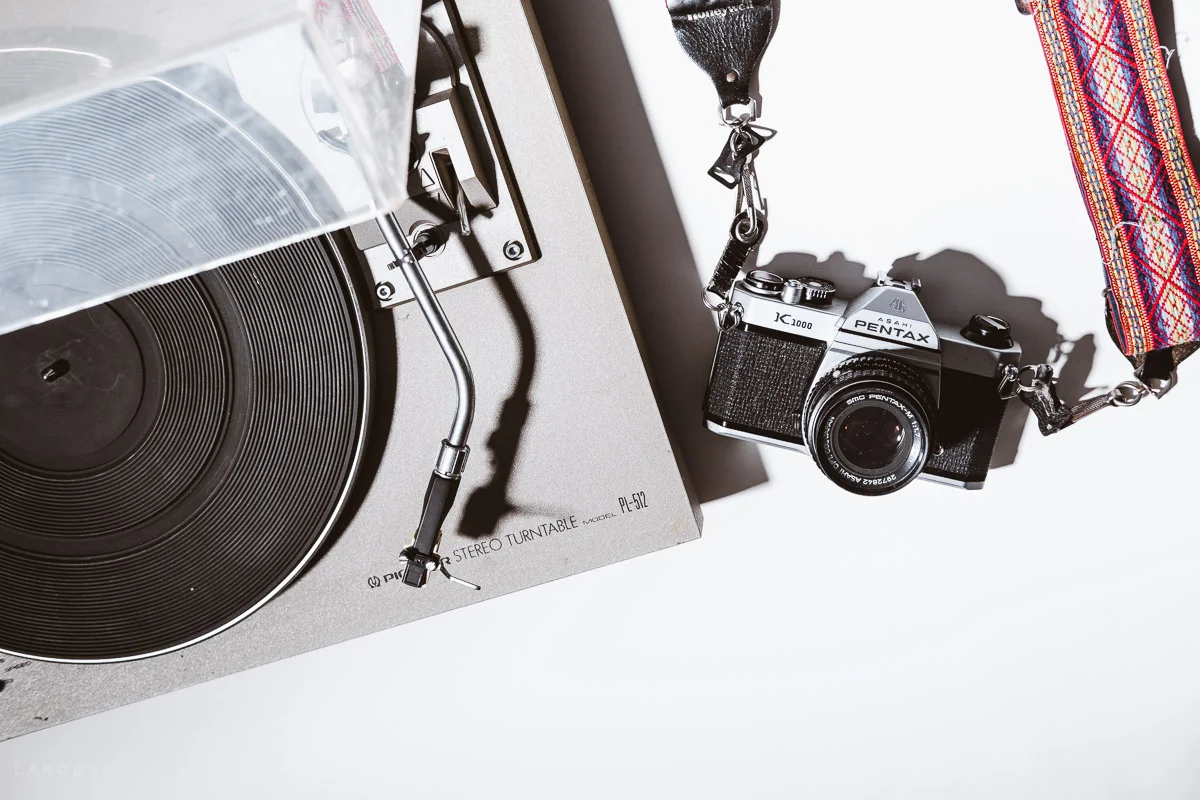
Fujifilm X-Pro2 compressed raw and Acros film simulation in a studio setting.



ARCHIVES - 2012-2015

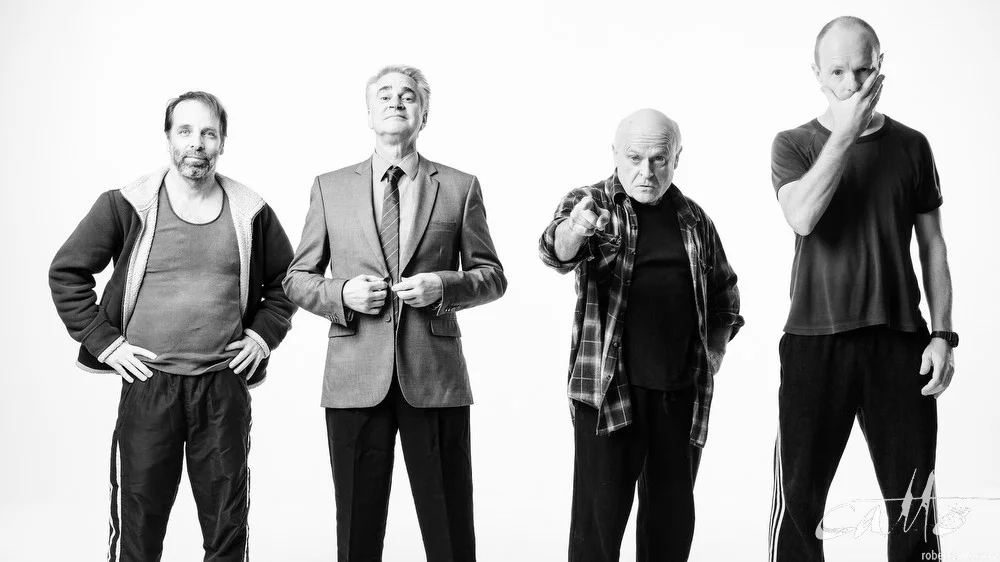
It took me a while to figure out why I was often really nervous before a portrait shoot, especially if it was for a new client, in a new location, or with lighting gear I hadn’t used before – until I realised the nerves I was feeling were entirely familiar, and something I’d felt before: years ago, as an actor waiting to go on. Stage fright. I was worried about my performance in the role of ‘photographer’ on this set...
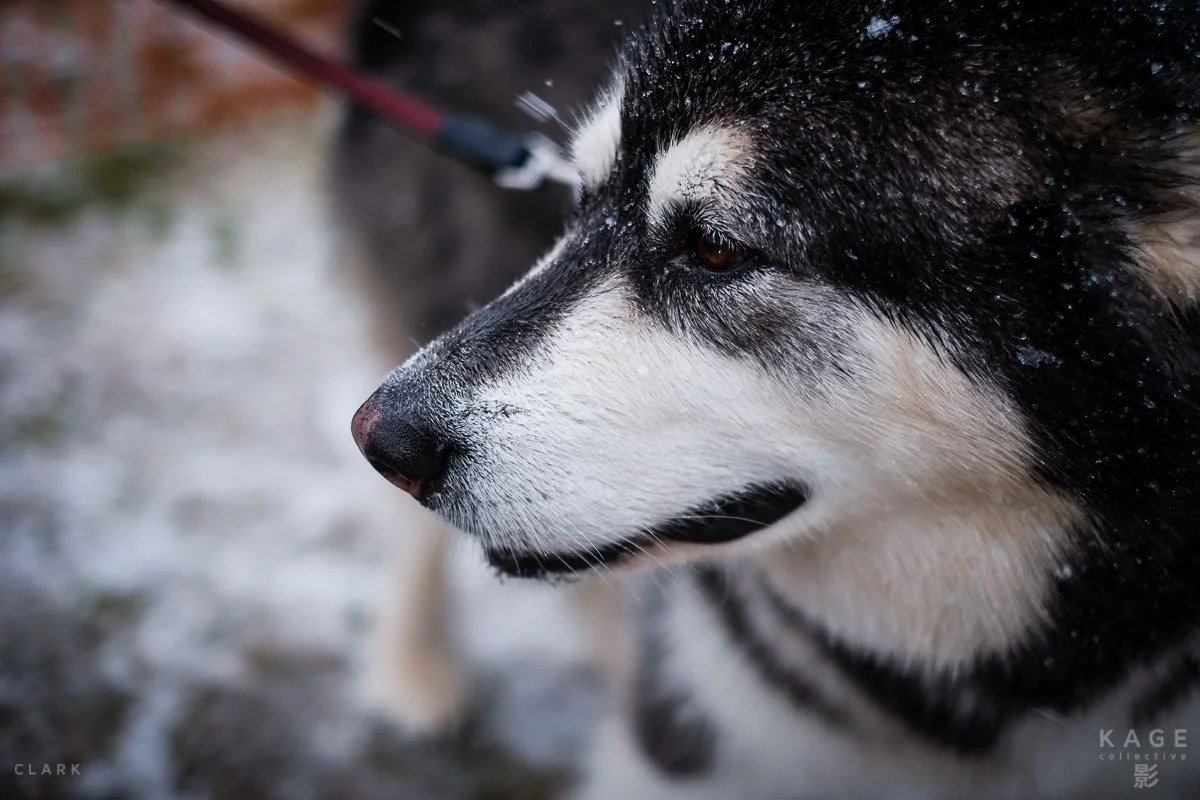

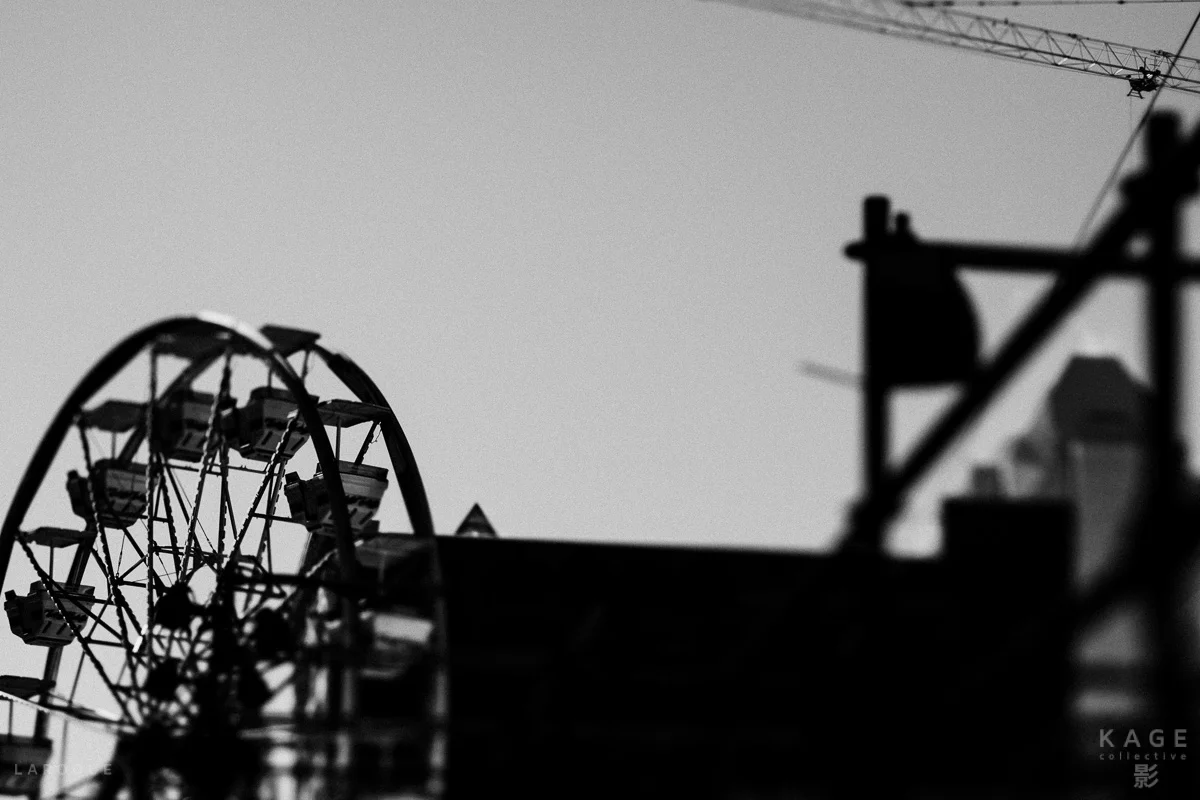
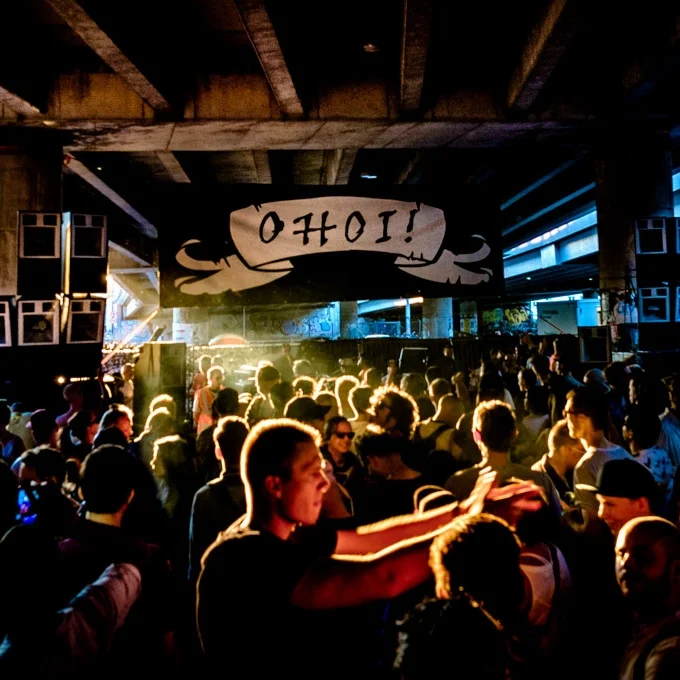

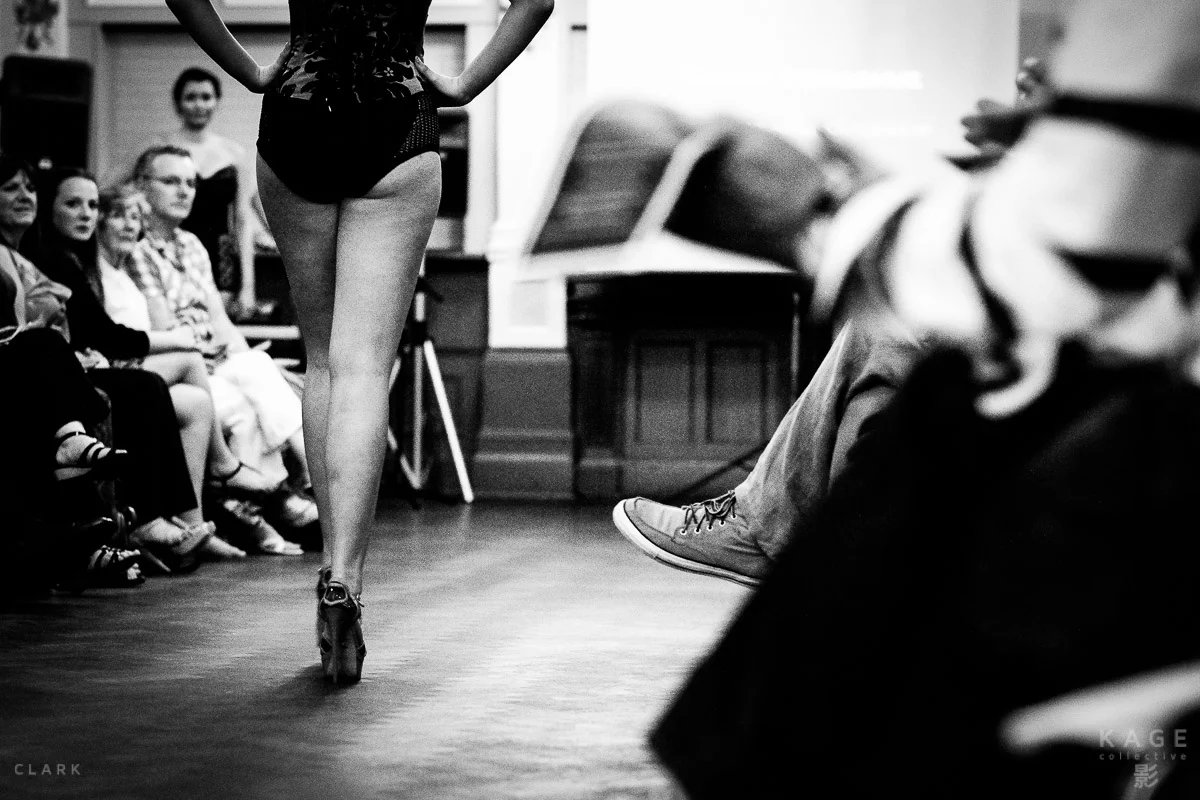
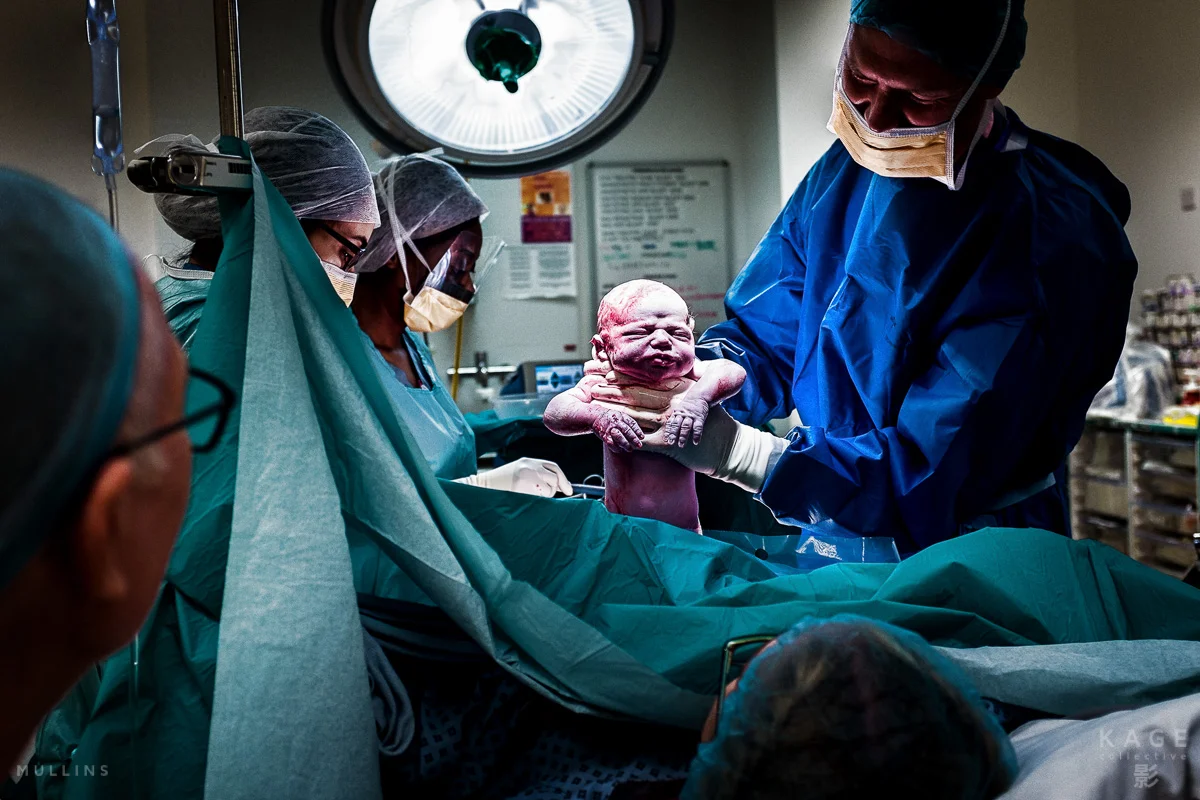
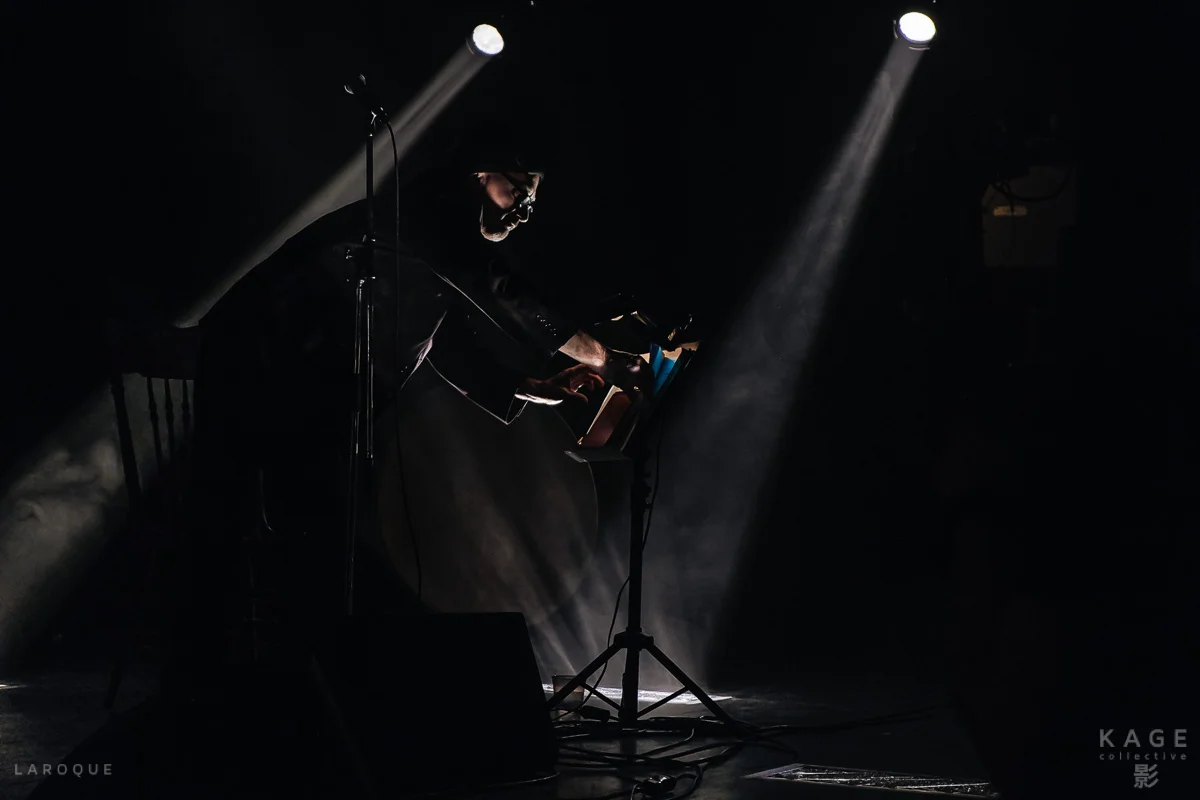
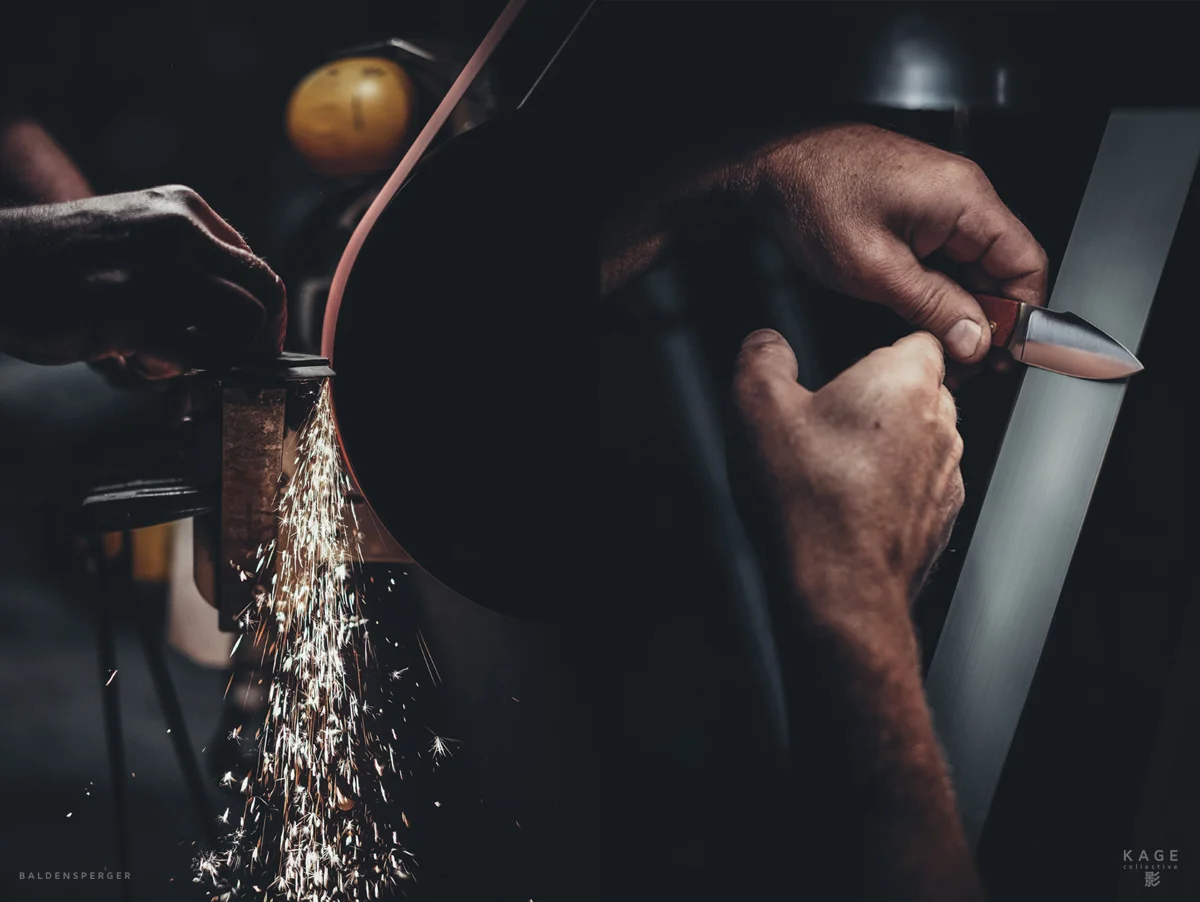
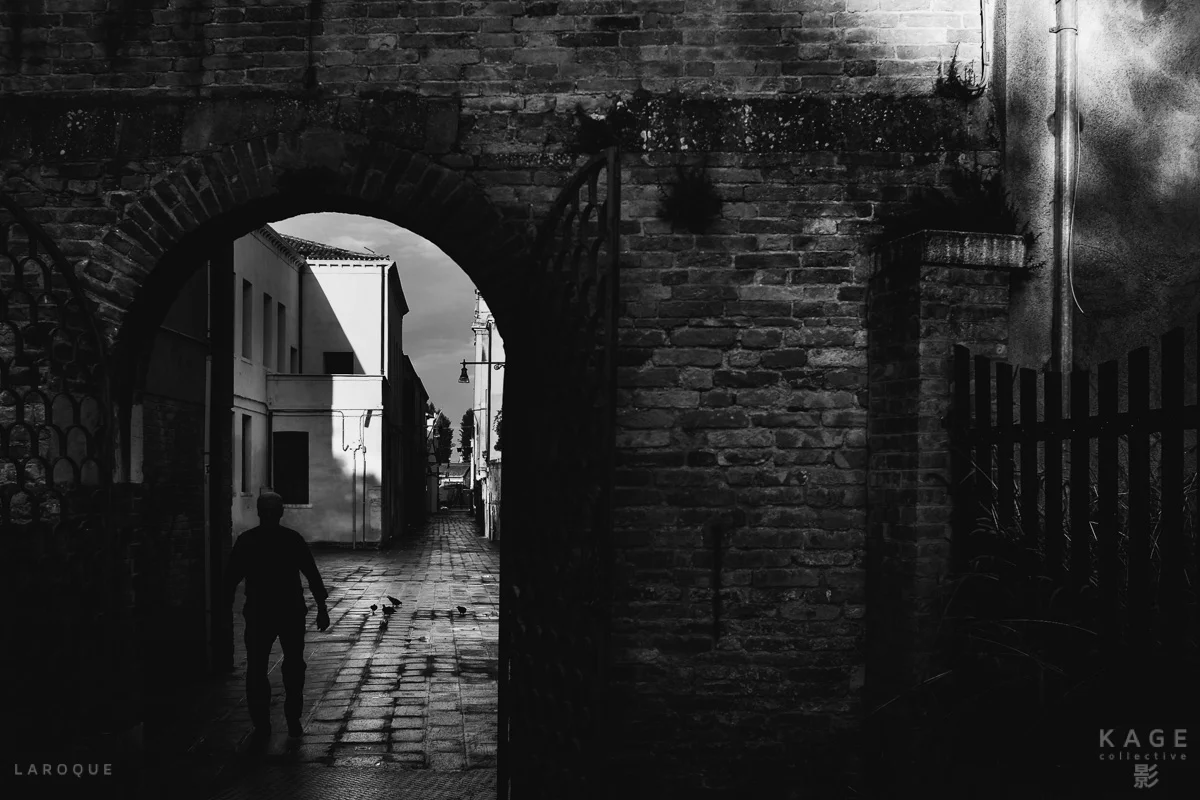
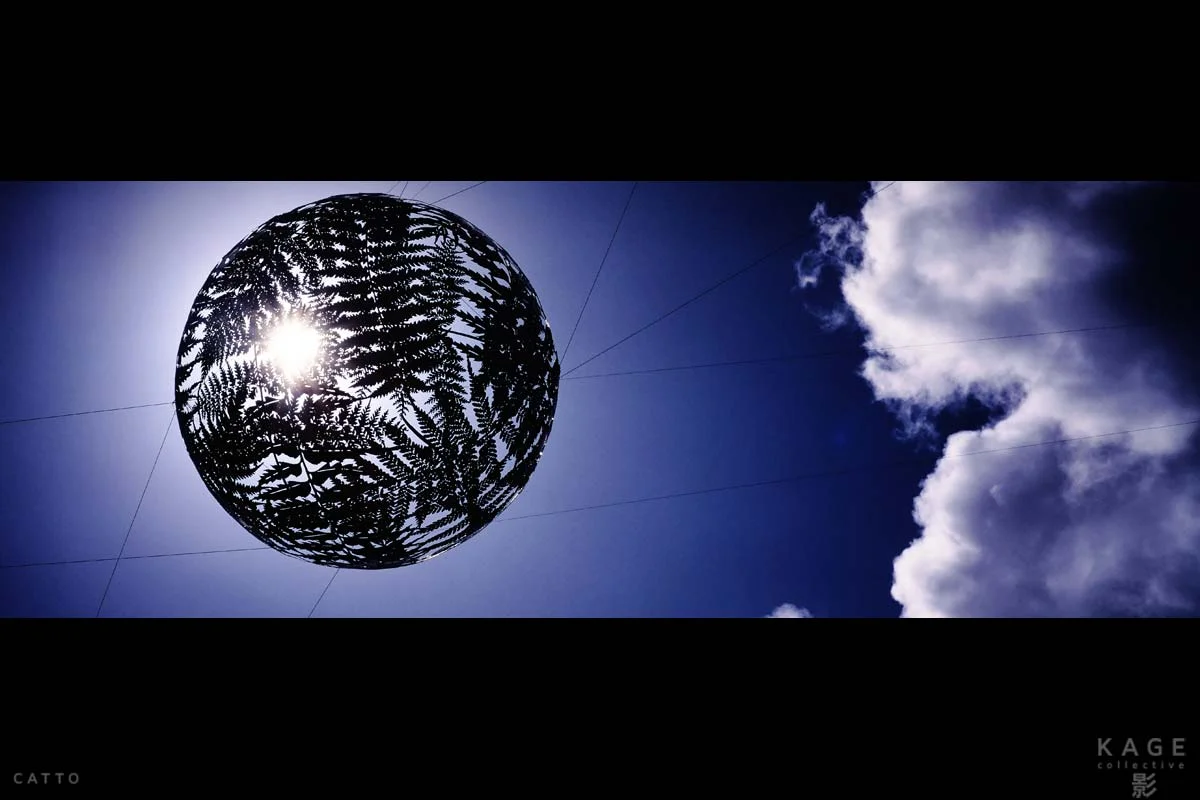
Okay, look: I get bored easily. I like to find new challenges, new ways of seeing the world.
I’ve talked before on my own blog about the Fuji TX / Hasselblad X-Pan film cameras, that put a super-wide double-35mm panoramic frame into a rangefinder body, which was a pretty amazing thing to behold. What was great about discovering it for me was simply that I had to figure out how to make that frame WORK...



The Limestone Islands in Georgian Bay, near where I grew up in Canada, are an official nature reserve; you need a permit to visit them - unless you're accompanied by someone who's been appointed a steward of the reserve.
These are my parents. They're birdwatchers...


When I first came to Australia fifteen years ago, it was partly because of what a friend at school in Canada had said to me: “I don’t know how to describe it, but the colours are brighter there.”
It’s true, certainly - the sun here does seem to cut more, to shine harder; but also the birds, plants and flowers that have grown here are more colourful than those in my home land of pine trees, pink granite and lakes.
And it seemed to me that the people had taken that on - had made their cities, cars and houses more colourful. Themselves, too...


