Book Review | Face - The New Photographic Portrait

TEXT AND PHOTOGRAPHY BY PATRICK LA ROQUE

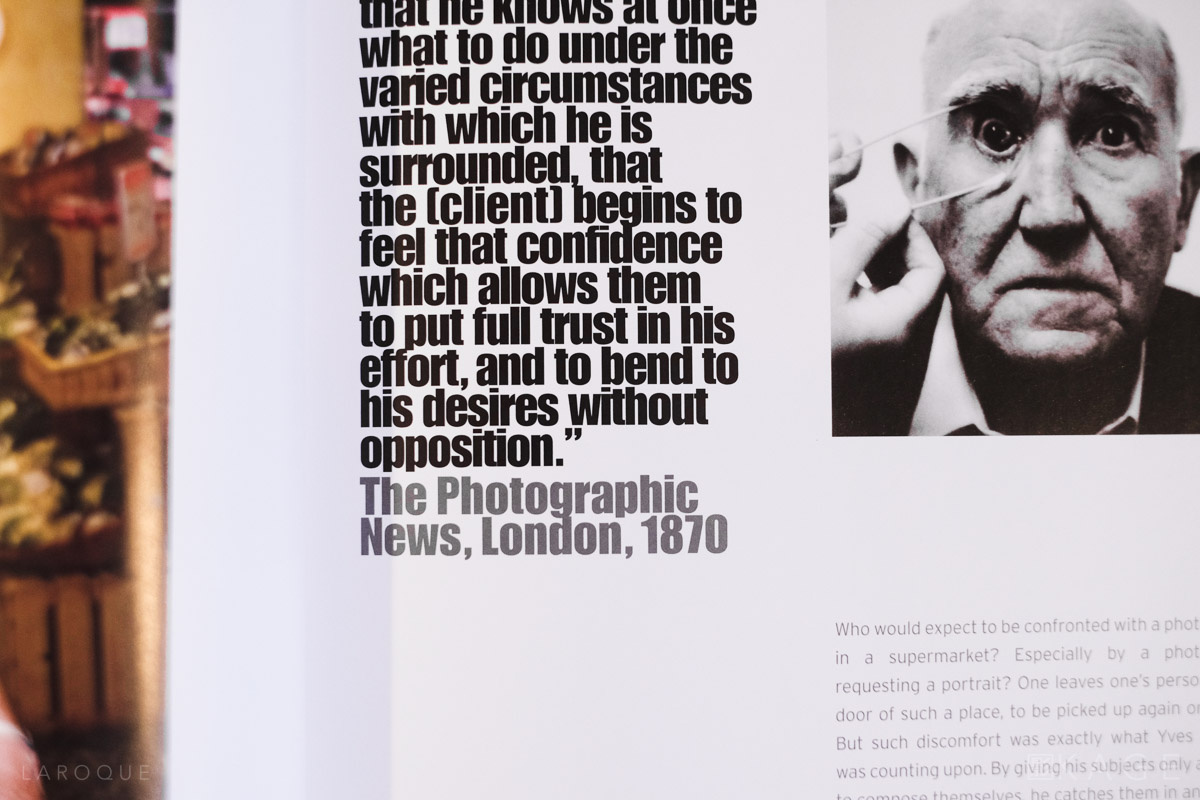
Photographers have evidently made up their minds that it is high time to introduce a new style of portraiture to the public, and we entirely agree with them...

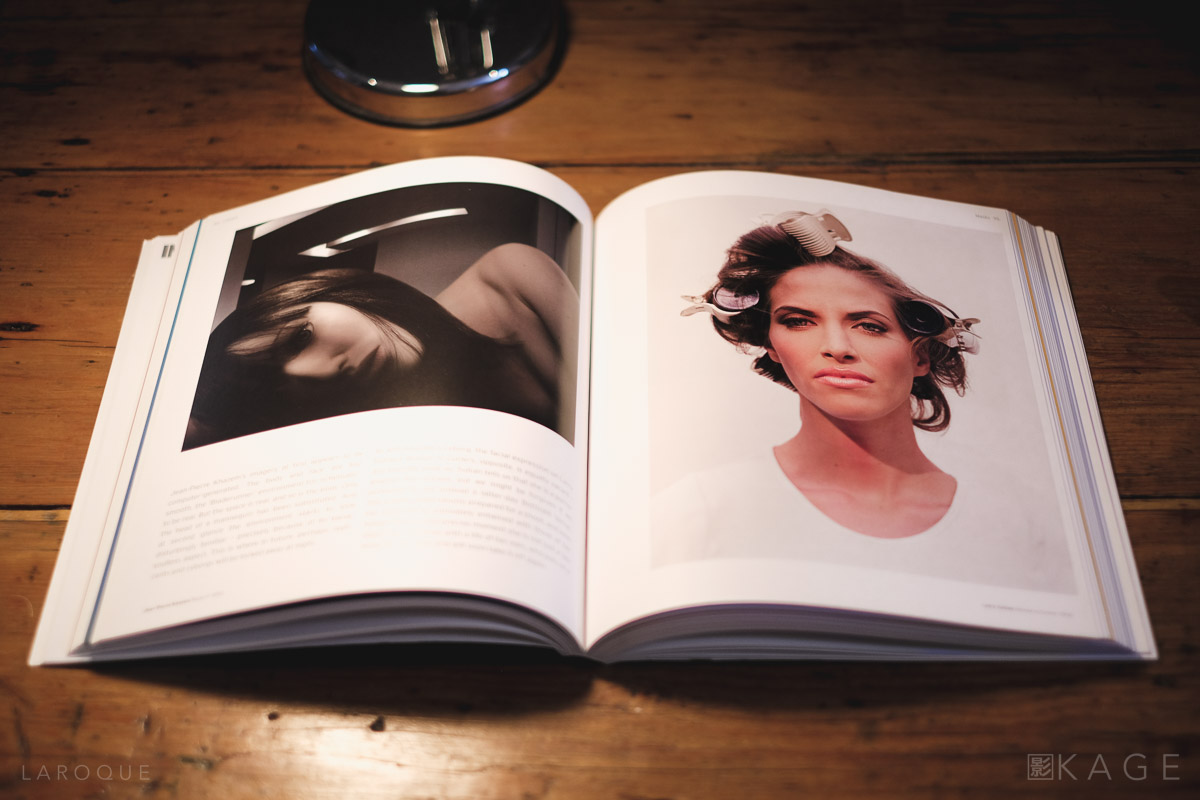
The text above is part of a quote printed on the very first page of the book FACE The New Photographic Portrait. It's credited to London's Photographic News, a weekly from...1880—a fascinating choice for a publication boldly announcing the death of the traditional portrait, some 120 years later. But it provides an interesting counterbalance, and it's a method the book will use throughout, pitting the past and present against one another, offering a constant reminder of how ephemeral new can be—today's cutting edge forever on the verge of becoming tomorrow's cliché.

But first the details: originally published by London's Thames & Hudson in 2006 and written by William A. Ewing (with contributor Natalie Herschdorfer), FACE The New Photographic Portrait is a 23.3 x 2 x 27.9 cm, 229 page book featuring 258 images, 166 in colour and 92 in duotone. I own the trade paperback version and as far as I can tell the book is no longer in print, although copies can surprisingly still be found in various bookstores (Indigo in downtown Montreal still had one in its inventory at the time of writing). Used copies of the hardcover edition are also available through various vendors on Amazon.

It's a sprawling and careful exploration of the art of portraiture, covering every aspect of the genre from editorial to commercial; from the crude to the exploratory, sometimes eerie world of contemporary art. It's the face as centerpiece, as pretext and as launching pad.

Inside view

The book is divided into several themes that make up the main chapters, each one containing two sub-themes:
1. GAZES
      FACING UP
      FACING DOWN
2. LOOKS
      MASKS
      MERGERS
3. FAÇADES
      LOSING FACE
      SAVING FACE
4. TRANSPLANTS
      FAKING FACES
      MAKING FACES

Every photograph or series is commented, providing information on the thought process behind the images but also offering reflections.... This, combined with well-written, engaging essays, transforms the book into the kind of work that, for me, becomes a tool rather than a mere coffee-table curio—which in a way makes me glad I don't own the art collector hardcover/linen version because I can treat it as such. It deliberately challenges by asking questions that purposely go unanswered, by throwing us smack down into a wealth of images that span every direction. It's thought-provoking visually but also philosophically, addressing issues such as vanity vs reality, physicality vs so-called soulfulness, trickery and manipulation. Some of the essays force us into re-examining our process, perhaps into asking ourselves why we choose to work the way we do, even opening the door to considering new possibilities. This is a book I keep going back to, over and over again.

Point Counterpoint

Any book focusing on "the now" can quickly become dated. Such is the reality of trends—like a pair of stonewash jeans or a mullet. But in my opinion, ten years into its original publication, FACE remains relevant, withstanding the test of time through astute commentary and an always interesting curation that seems to have foreseen many of the movements still defining photographic portraiture today. It also avoids tunnel-vision by making an extensive use of pull-quotes that not only add to the book's visual signature, but also serve as counterpoint to some of the work, sometimes adding emphasis, at other times providing a historical backdrop or subjective commentary. It's a device that could've been simplistic but it works extremely well and makes the book much more than just a compilation of portraits, however engaging.

For instance, below two self-deprecating images photographer Lee Friedlander took of himself in the late 90s, we can read a quote from French poet and philosopher Paul Valery that says "Man cannot bear his own portrait. The image of his limits and his own determinacy exasperates him, drives him mad." Likewise, the Photographic News weekly from the late 1800s—which I mentioned earlier— is used multiple times, exposing just how little our innermost preoccupations have changed, how the issues facing us today are often the same we were struggling with at the dawn of the art form.

Pre-alotofthings

And yet, things do change. And as relevant as it still is, there's a missing chapter to FACE that highlights just how quickly our reality can be transformed in very little time: in 2006, the word selfie had yet to become mainstream. Instagram was four years away from filtering into our collective consciousness. These are such a major shifts in photography and society at large that it immediately places this work firmly in the last decade. Any updated edition of this book would absolutely need to include an in-depth essay on these mass phenomenons that are so entirely based on the image, with a capital I, and our obsession with it. Our Face today is multiplied a million times over, like our own private take on Warhol's silkscreen series, a hijacking of the very concept of his fifteen minutes of fame.

In 2016, the face is a perpetual illusion, a façade and a wall behind which we may be hiding our true nature. It's the major building block of a systematic and constant re-imagining of our lives into a multitude of idealized frames.

See? I told you this book could make you think ;)

It's not perfect though: like any selection it's a subjective construction that in this case usually tends towards contemporary art and a certain affectation in terms of some of the projects' premises. Beyond what we find in museums I believe there's a wealth of portraiture work that should be considered references in the genre—the work of Dan Winters for instance.

But regardless: FACE The New Photographic Portrait endures. Its broad approach to the subject and its clear, in-depth commentary still make it an amazing source of inspiration to this day. If you can find a copy and you're interested in the topic, I highly recommend it.

8XMAR16


OUR PERSONAL CHOICES THIS MONTH


Issue 002 - Words from the Editor

Wow.

The first month of our self-declared 'year of publishing' has already come to an end; and I don't know what the others expected, but the number of readers we had for our January edition was - to me, at least - off the charts. So thank you, our viewers & commenters, our Twitterati, our Facebookeristas - we couldn't do this without you.

I'm really proud of this collective, and the work we've gathered together this month. When we put out the January issue, I wondered how on earth we could possibly follow that, improve on it - but I think we have, and then some.

The essays in our second issue revolve around a theme that's very familiar to me; 2016 marks twenty years of my living in another country than where I grew up. The sense of being a stranger in a strange land is one I'm now well acquainted with.

After fifteen years in New Zealand, and now just over three in Australia, it's been a long time since I've had that sense of ease that comes with knowing a place instinctively, naturally understanding the systems at play, knowing you're part of the culture.


To be honest, I do kinda enjoy the fish out of water feeling; but I'm always aware of it. There's always a vague sense that maybe I'm wrong about something, perhaps I'm making assumptions based on how things worked elsewhere; so with that in mind recently, I went looking for others like me.

Well, a bit like me, at least - Kiwis, from my adopted country - but also finding their way, and making a life, here in Australia.

And that's what became our theme for February, as it turns out. Home, and away. Belonging, and not belonging. Searching for the essential nature of a place, and of the people in it.

It's been my pleasure to assemble this month's edition for you; whether you're interested in the technique and tools of what we do, or the people and stories we find out here in the world, I hope there's something you connect with, that surprises you.

So - what are you still doing here? Get reading, and enjoy!

Cheers from Sydney,
Robert Catto

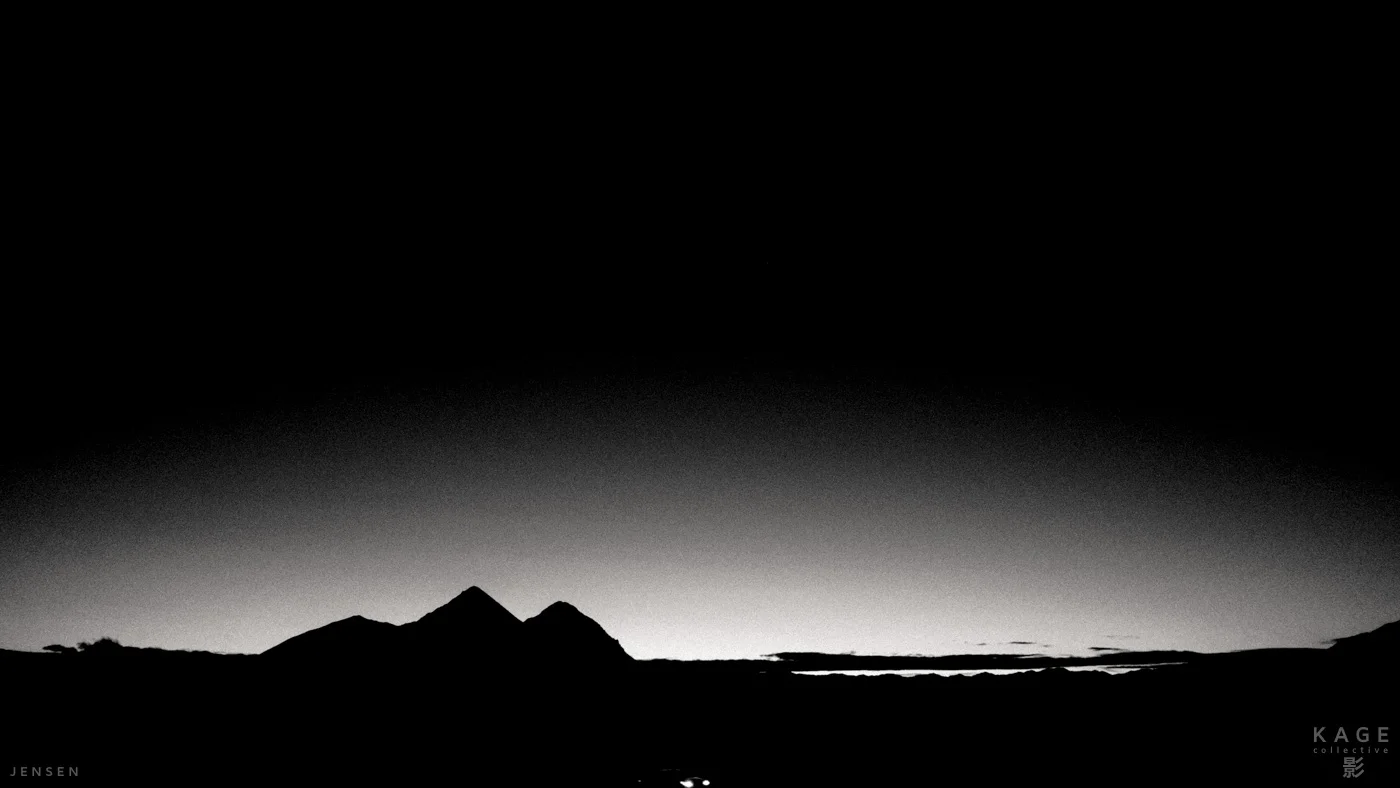
Nothingness

Text and photography by Flemming Bo Jensen

"Tired. The sort of tired sleep cannot fix. Broken. Everything I know is wrong. Must keep driving".

My words from half a decade ago. The road promised new experiences at the time. Empty promises perhaps, but it was something at a time when all hope was lost. A promise of a better tomorrow? An illusion? I had to keep moving. When I stopped the shadows caught me.  
I stare at the edge. I know this place. I am visiting an old friend. I called it home for decades. Part of me never came back. Part of me is still out there wandering, freefalling into insanity. 


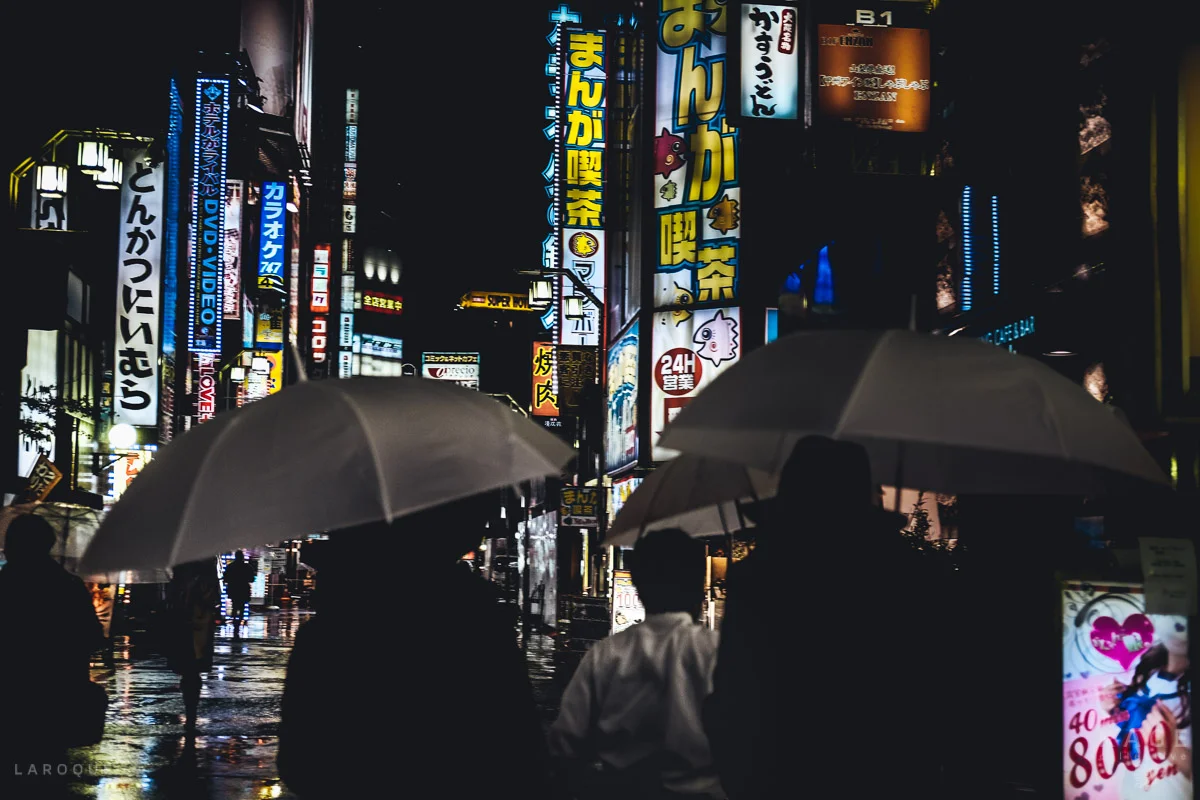
In Wet Chaos of Shinjuku

Text and photography by Patrick La Roque

"Piss off!" he says "We're not here for that...we're not here for that!"
Hollering prince hustlers of black phantom clouds & alleys
We're here to drown man
We're here to wallow & thrust in technicolor lightning neon
Watch compressed masses assemble, watch arcade dramas unfold
Watch & watch & watch some more.
Three piece suit throwing up on pavement shoes   heretic friend laughing his ass off
Hands on fire in a hallowed rain
Pouring
Wild & unstable as dynamite.

We want long legs around our necks
Trapped in the 50mm eye
Of sunless days & immaculate shut downs.

Drenched maniacs fighting off furies
To rise
& rise & ride
In wet chaos
Of Shinjuku.


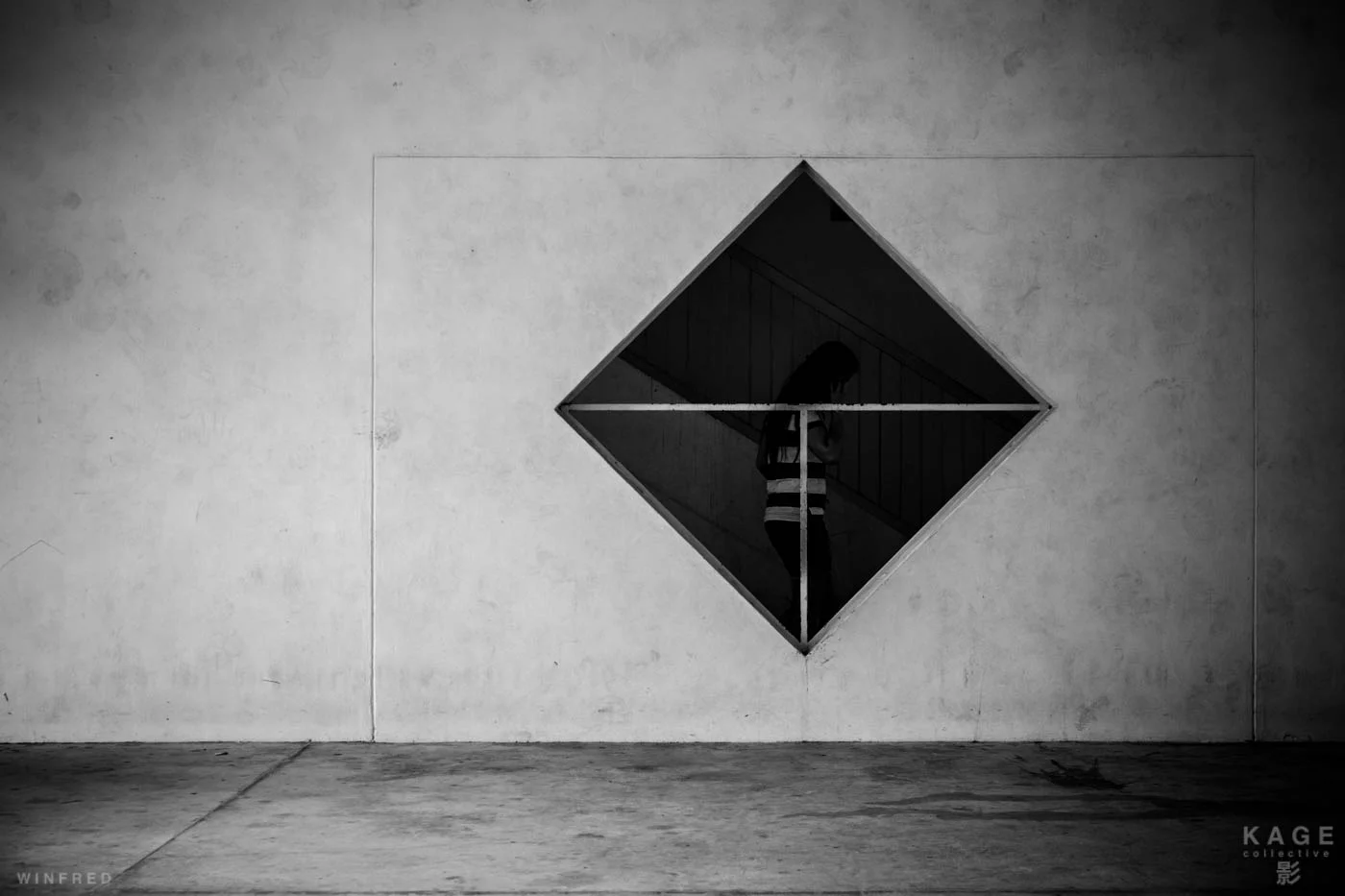
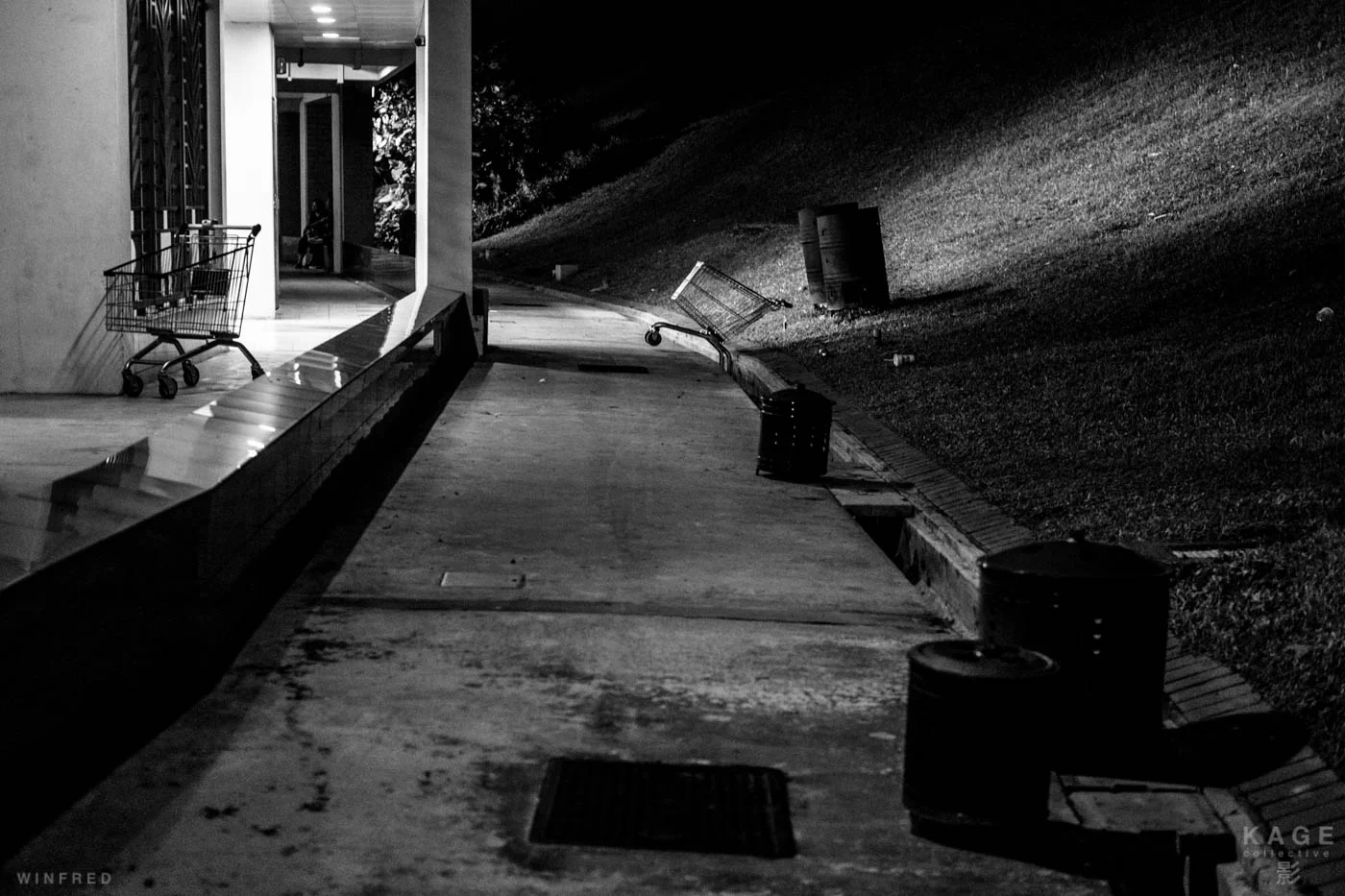
Landscapes of Memory II

Text and photography by Charlene Winfred

You read enough books in which people like you are disposable, or are dirt, or are silent, absent, or worthless, and it makes an impact on you. Because art makes the world, because it matters, because it makes us. Or breaks us.
— Rebecca Solnit

This is the space in between the hallowed and the sacrificial.

History, the ligature of memory; that which gives life, and sucks it out of the marrow. A spectre hounding you in the night. 

Terror.

Self.

Home.


Gone ... Fishing

TEXT AND PHOTOGRAPHY BY BERT STEPHANI

Lisbon, Portugal

Only half a century ago, over seven hundred carpenters, engineers, electricians, boiler makers, painters and other workers, serviced a fleet of twenty five fishing vessels for the Companhia Portuguesa de Pescas. Worldwide competition and technological evolutions made the company close it’s doors in the eighties. Less than a hundred years after the company was founded, all that is left is beautiful decay and some former employees who guard the spirit of this place with nothing but their weathered silent faces and their fishing rods. 


Essentielles

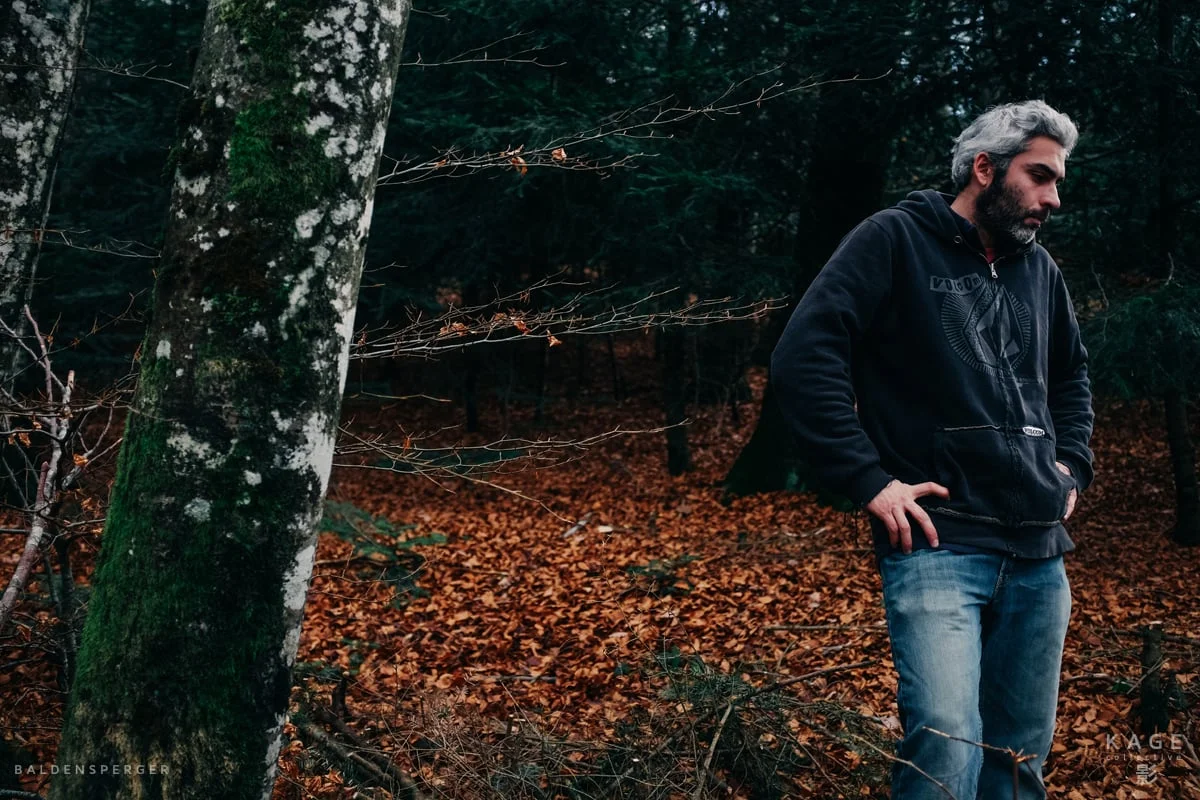
Text and photography by Vincent Baldensperger

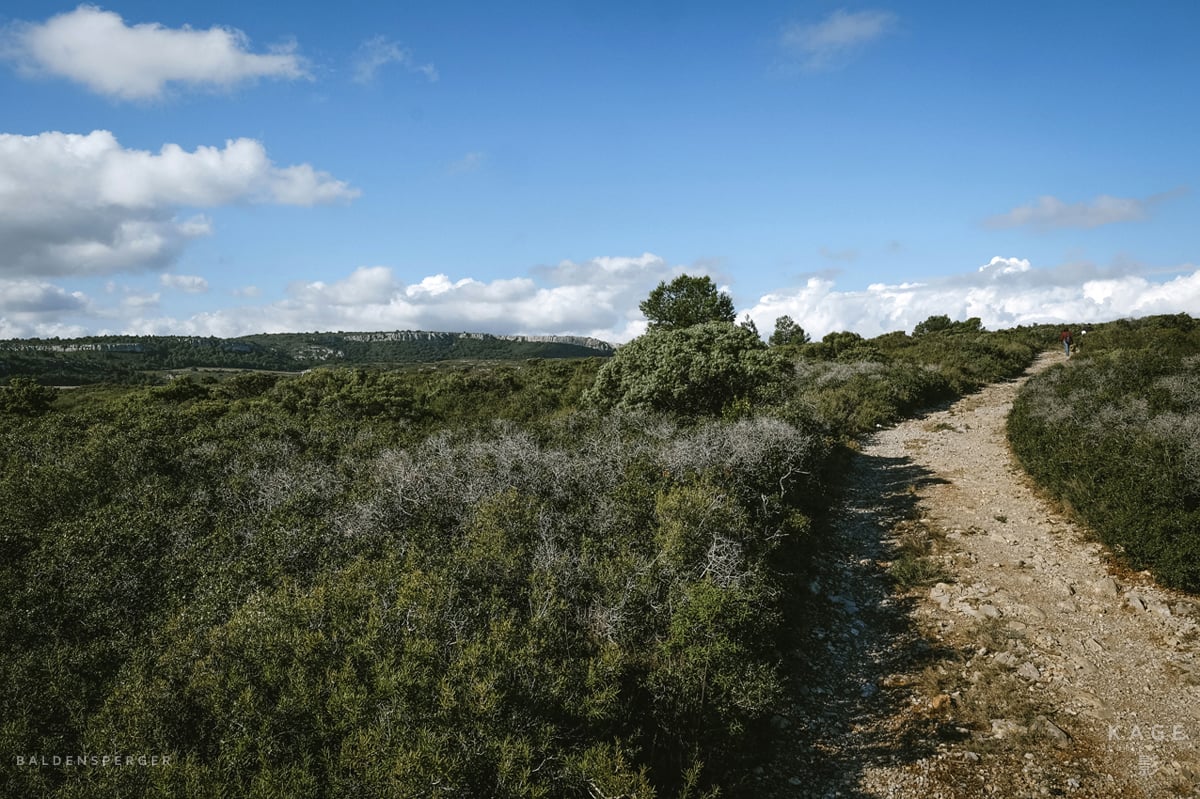
Clémence et Julien partagent la même passion, la Nature. Ici et là, de la Montagne Noire aux massifs de la Corse, elle distille ses parfums selon les saisons et offre ses richesses à ces deux amoureux des grands espaces. Cueillette sauvage, distillation traditionnelle, leur savoir-faire est précieux, tout autant que les élixirs rares recueillis tout au long de l'année.

Automne sur le massif de La Clape, souffle parfumé d'aromates sauvages, la récolte artisanale de romarin débute sous un soleil toujours estival.

Clémence and Julien share a passion: Nature. Here and there, from the Black Mountain to the summits of Corsica she distills her fragrances with each passing season, offering her riches to these lovers of the wide-open spaces. Wild picking, traditional distillment, their knowledge is as precious as the rare elixirs harvested throughout the year.

Autumn on La Clape, a wind laden with wild scents, the harvest of rosemary begins under a sun still hinting at summer.

Décembre 2015, solstice, en plein cœur de la Montagne Noire, chacun recueille avec adresse quelques kilos de sapin blanc et profite pendant quelques heures de délicates senteurs agrumes et boisées...

 December 2015. Solstice in the heart of the Black Mountain. Each collects a few kilos of white pine, enjoys a few hours of citrus and woodsy fragrances...

Waitangi Day, Sydney

Waitangi Day, Sydney

Waitangi Day, 6 February, celebrates the anniversary of the signing of the Treaty of Waitangi between the Crown and 500 Māori chiefs in 1840, which - depending on the translation - allowed the English to remain in Aotearoa and act as administrators for the new country, or else handed sovereignty of the islands to Queen Victoria. The political history of New Zealand since then has revolved around the difference between those two versions of the one agreement.

So when I heard about the celebrations here in Sydney, I wondered what it would be like to celebrate this national day in another country - Australia - with a different history. And I wondered how the Tangata Whenua - 'the people of the land' - fit in, and celebrated their culture, on someone else's turf...

Humanity

Text and photography by Kevin Mullins

My role as a member of Kage is slightly different to the others.  I'm a storyteller, sure, but almost all of my commercial storytelling comes within the framework of a wedding celebration.

Many of my contemporaries in this [wedding] industry place total importance, and perhaps rightly so, on technical skill and their ambition is driven by the perfect picture.

I'm less worried by all of that. 
Sure, I understand Light, Composition and Moment make an award winning picture.
Sure, I understand a crop at a knee can add ambiguity to a frame.
Sure, I understand even a minuscule of blown out highlight will guarantee an image will never win an award.

I've had several epiphanies in my short life as a photographer; the epiphany that I don't need large cameras being one of the most prominent.

However, a long time ago I had another epiphany (of sorts).  To a certain extent my work has always been about the non-technical.  Its about humanity and humanities constituent parts; human interaction, love, laughter, silent contact, emotion......love.....love.....humanity.

Humanity
hjʊˈmanɪti

the quality of being humane; benevolence.
"he praised them for their standards of humanity and care"
synonyms:    compassion, brotherly love, fellow feeling, humaneness, kindness, kind-heartedness, consideration, understanding, sympathy, tolerance, goodness, good-heartedness, gentleness, leniency, mercy, mercifulness, pity, tenderness, benevolence, charity, generosity, magnanimity

All of the images below have been assaulted by other photographers and judges, generally based on their technical mis-merits (and they are correct). They have each failed catastrophically in high level photographic competitions.

The truth is they are not technically great, but they were never going to be.  If I was to stage these moments well, then, these moments would never have occurred. How sad would that be?

Light, composition, moment? 
Moment first, for me, at least.