OUR PERSONAL CHOICES THIS MONTH
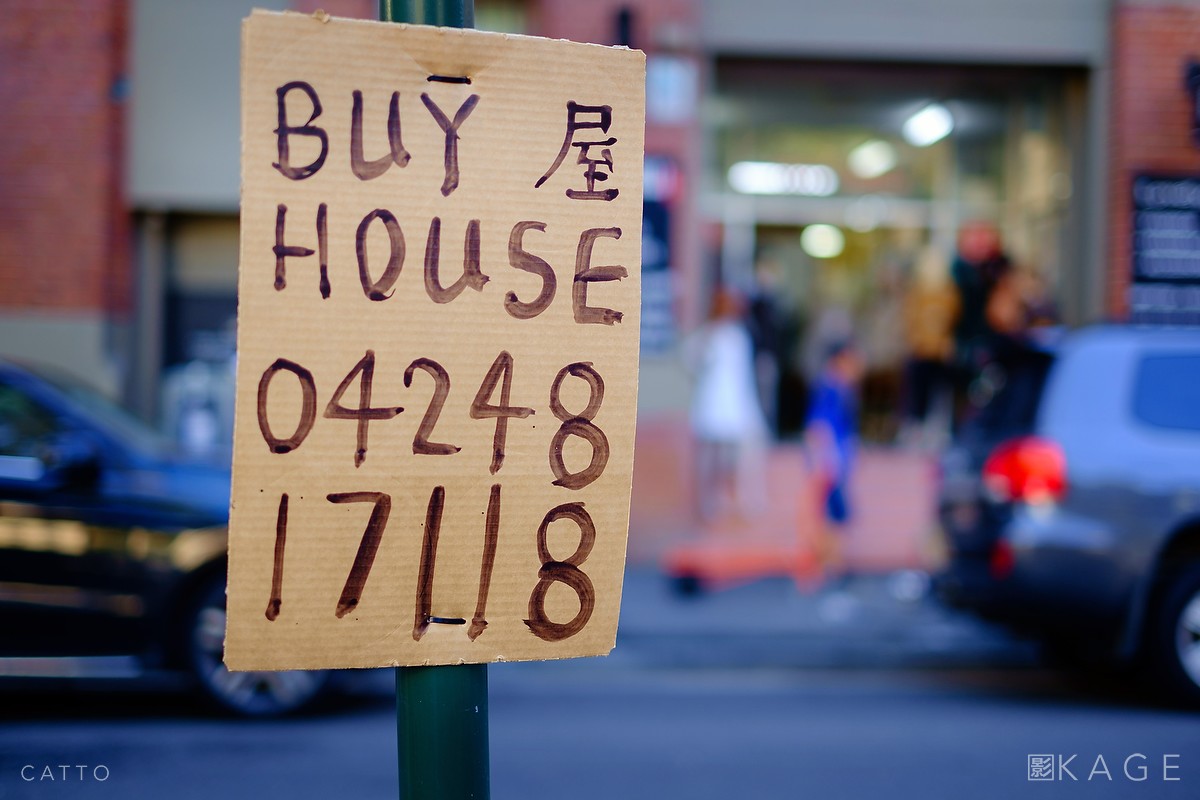
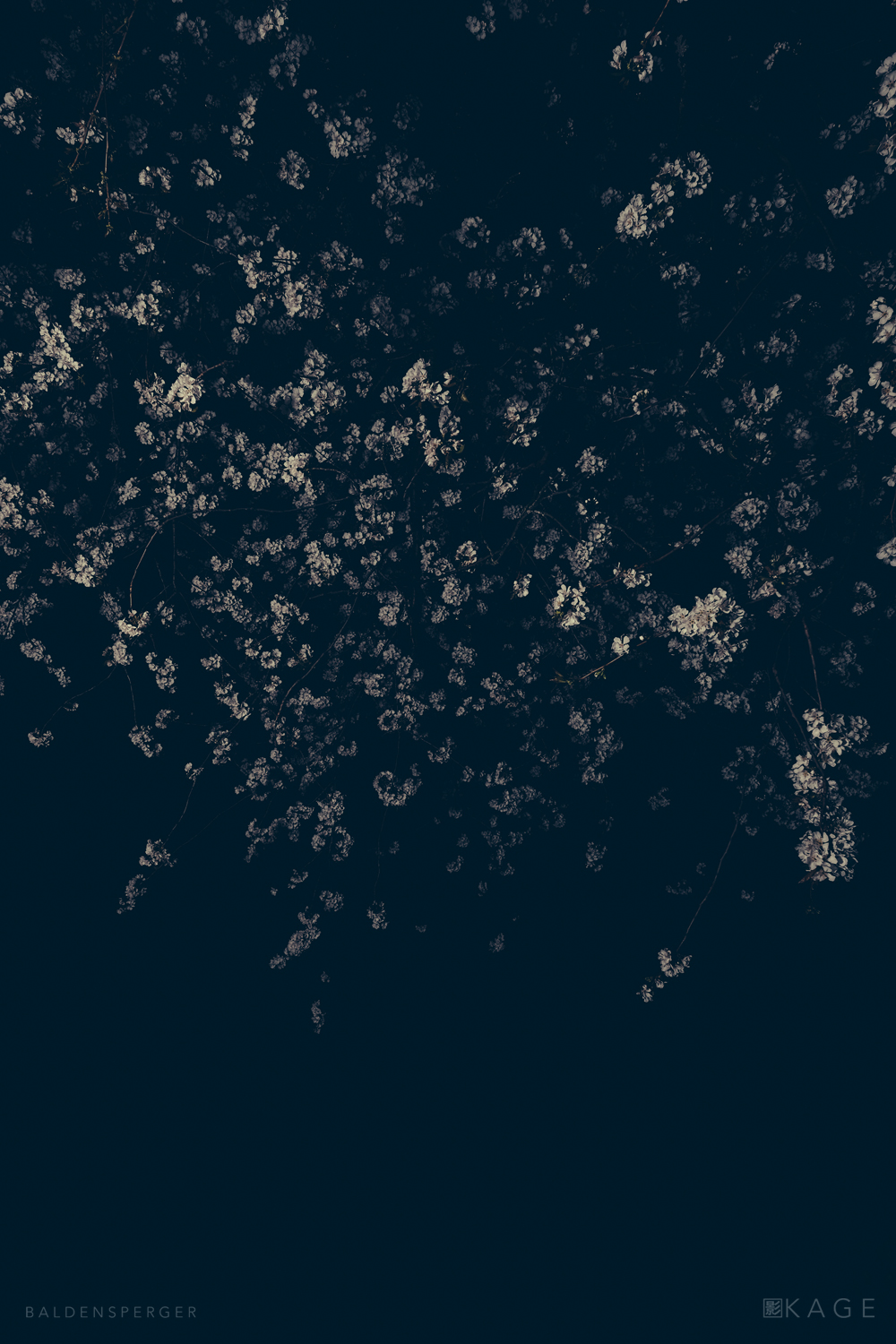
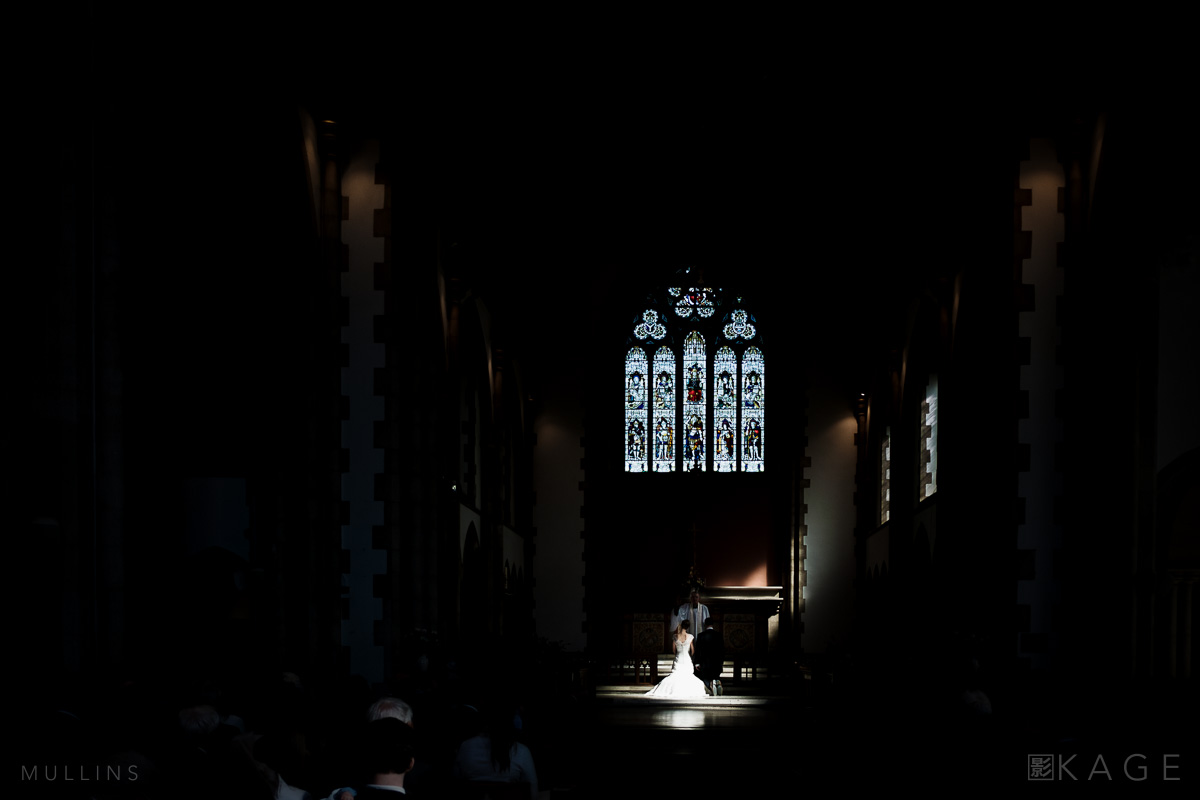
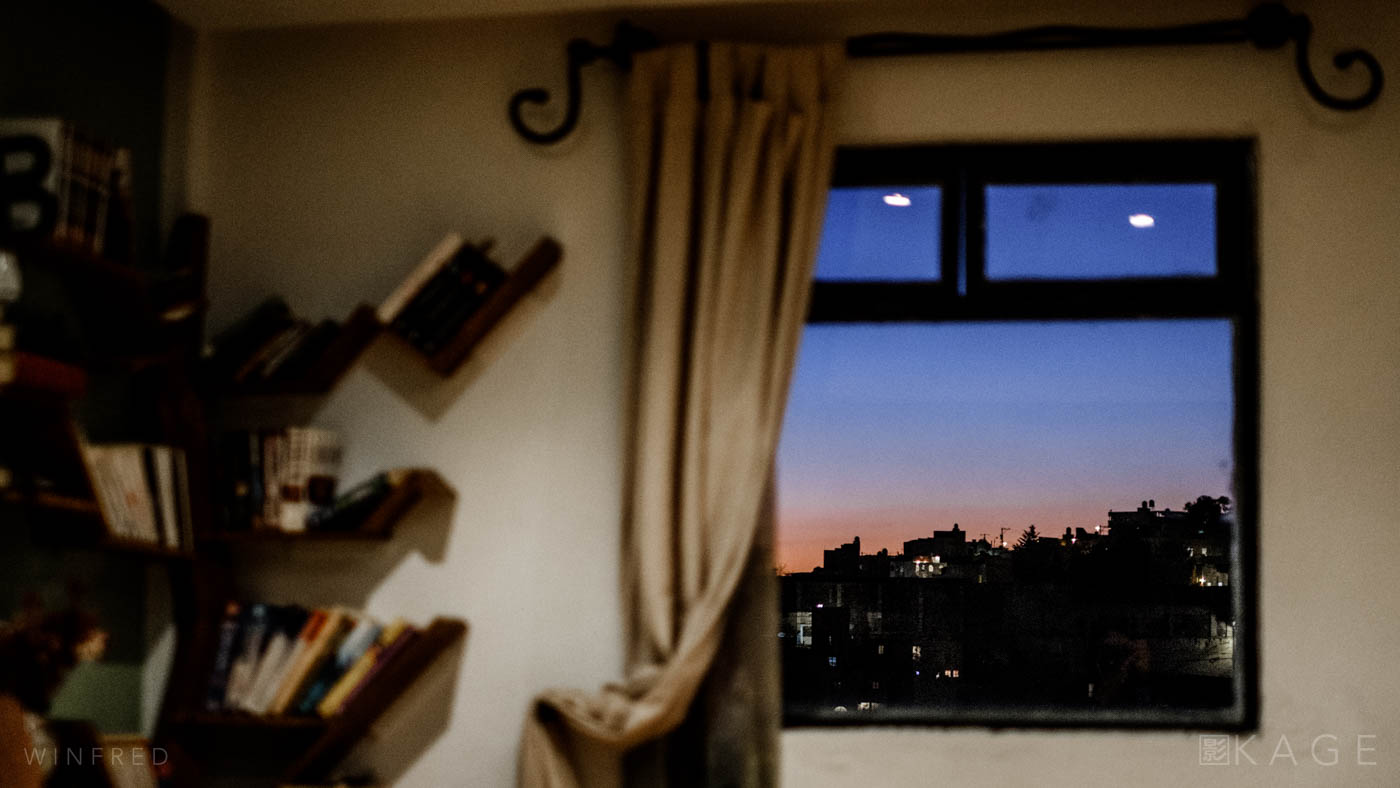
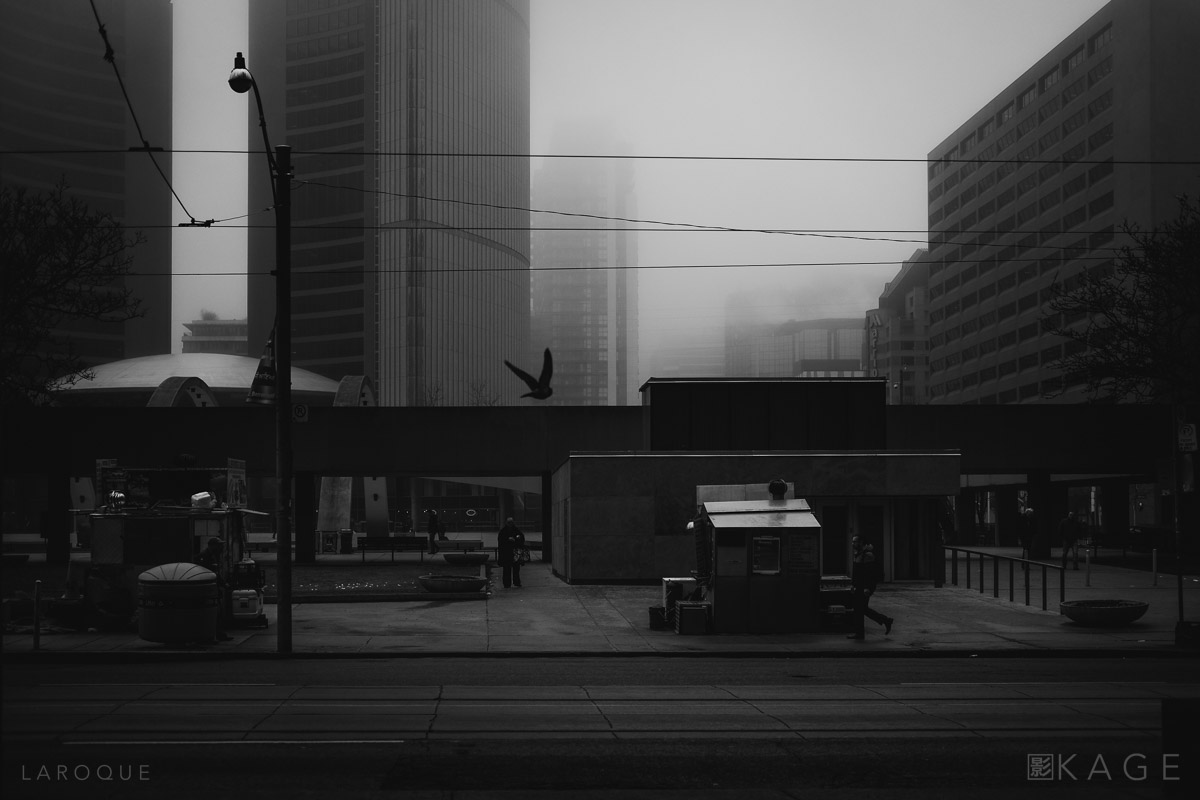
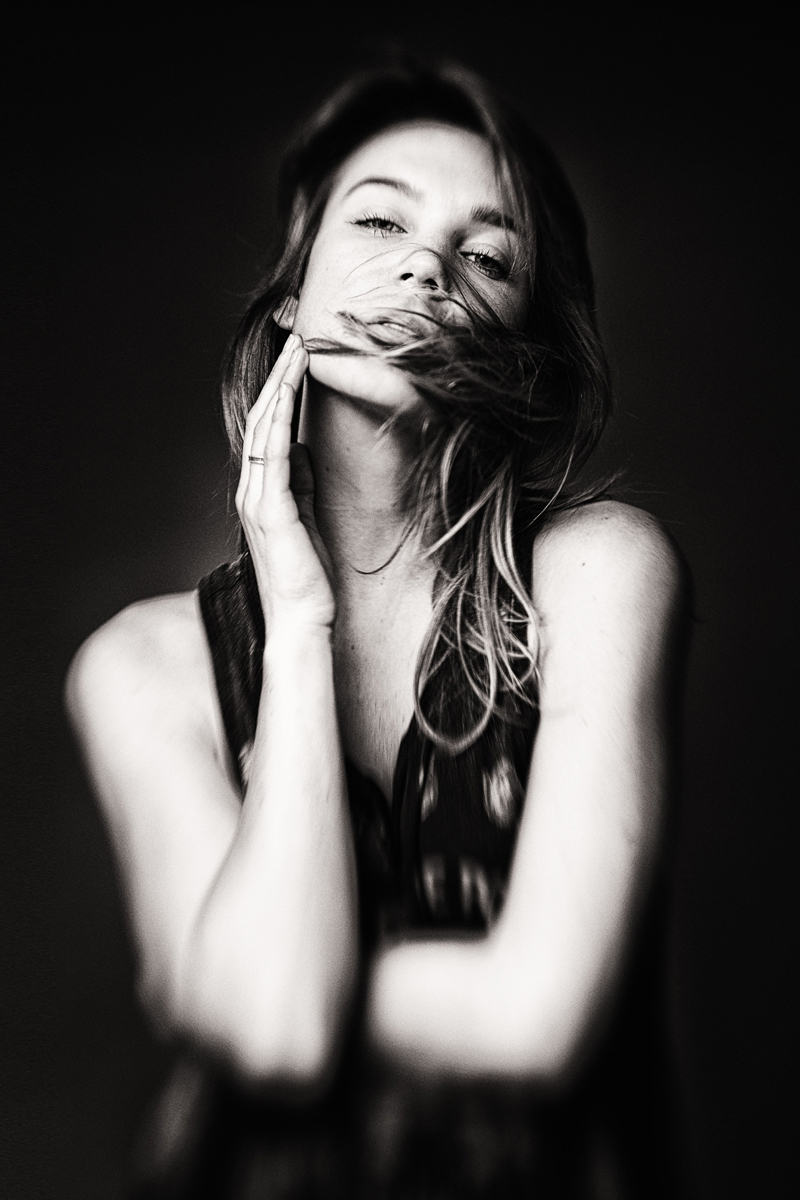
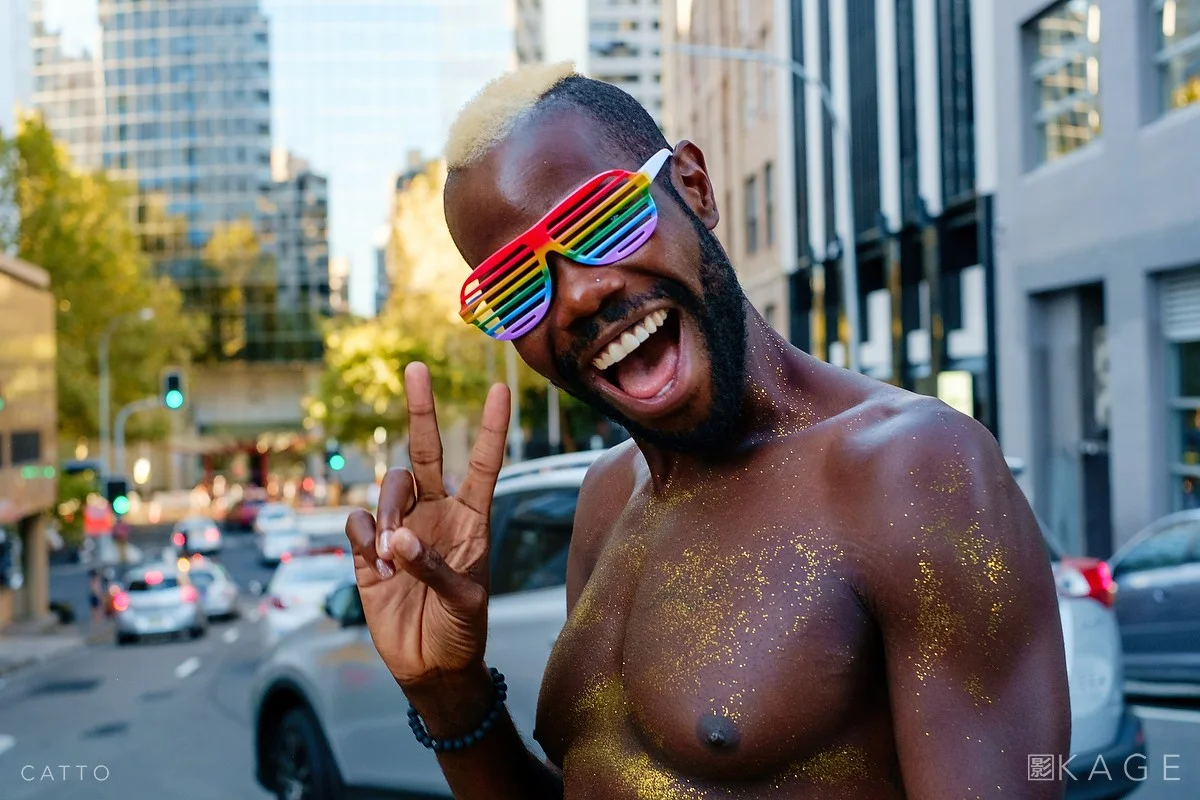
Robert Catto | Fuji X-Pro 1, 1/420 at f/1.4, 200ISO (XF 35mm f/1.4)
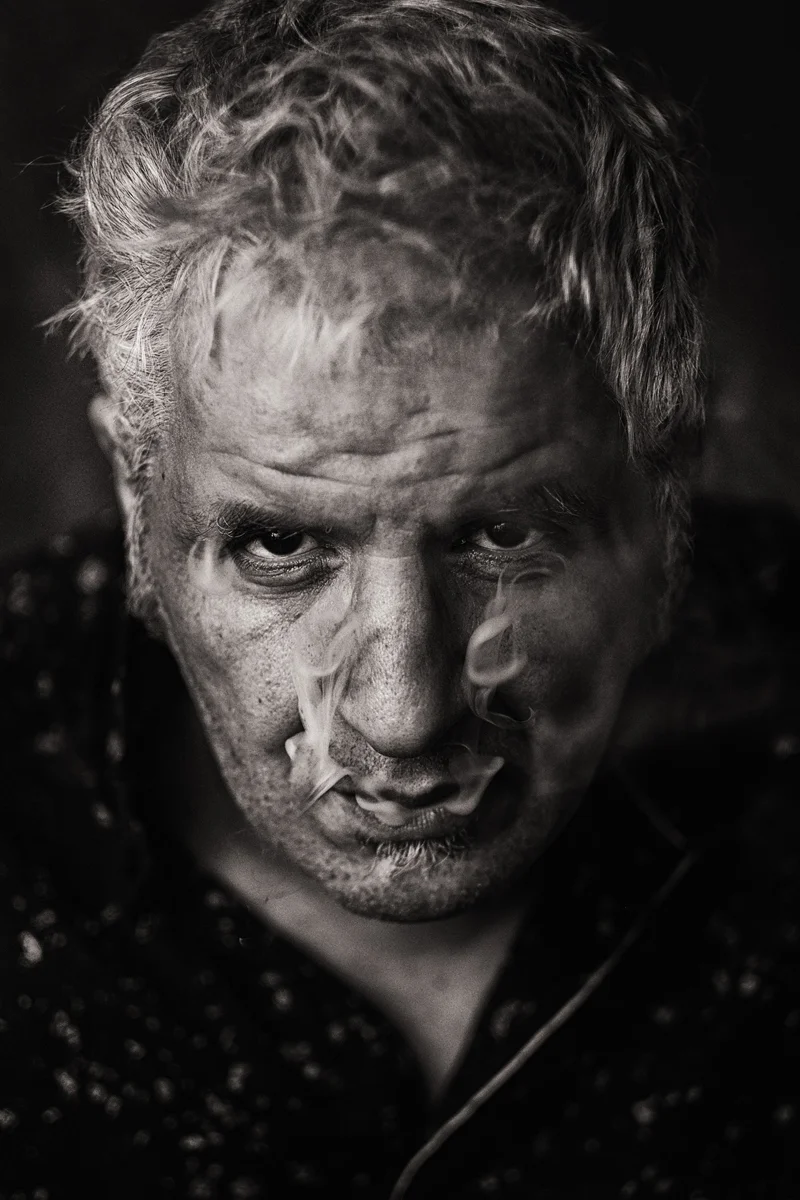
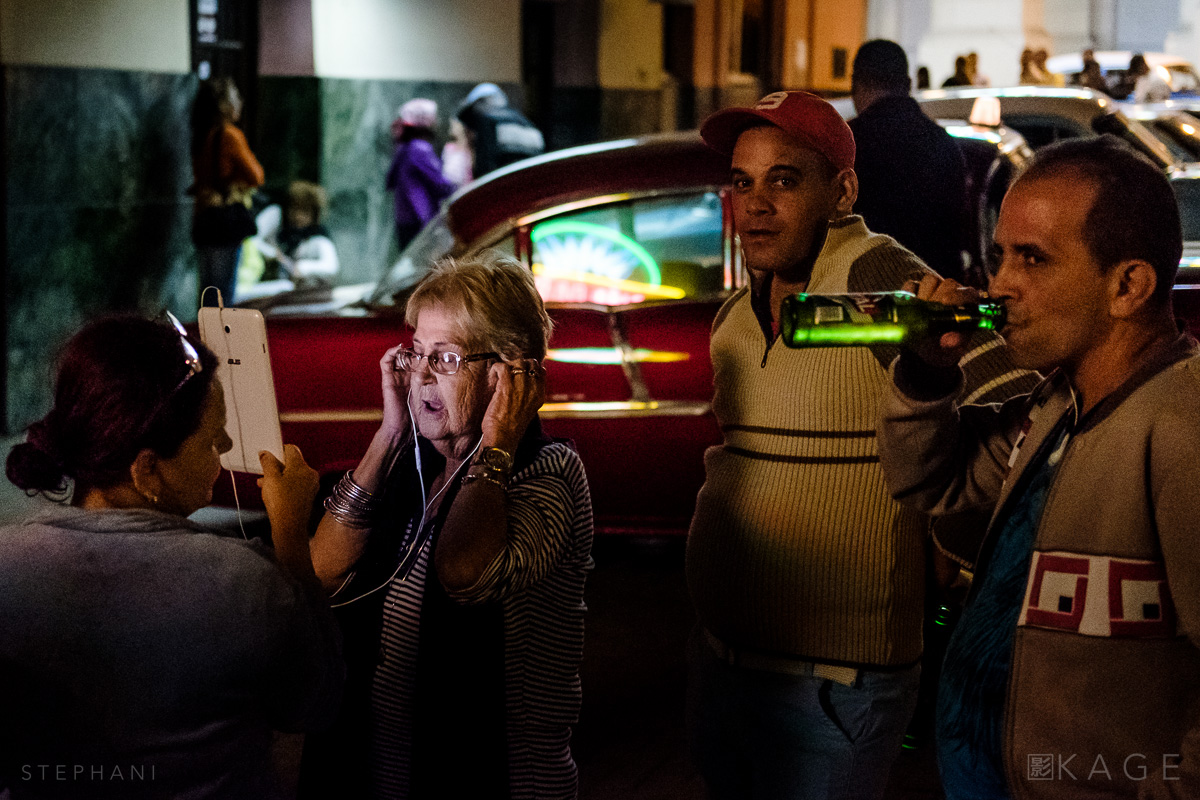
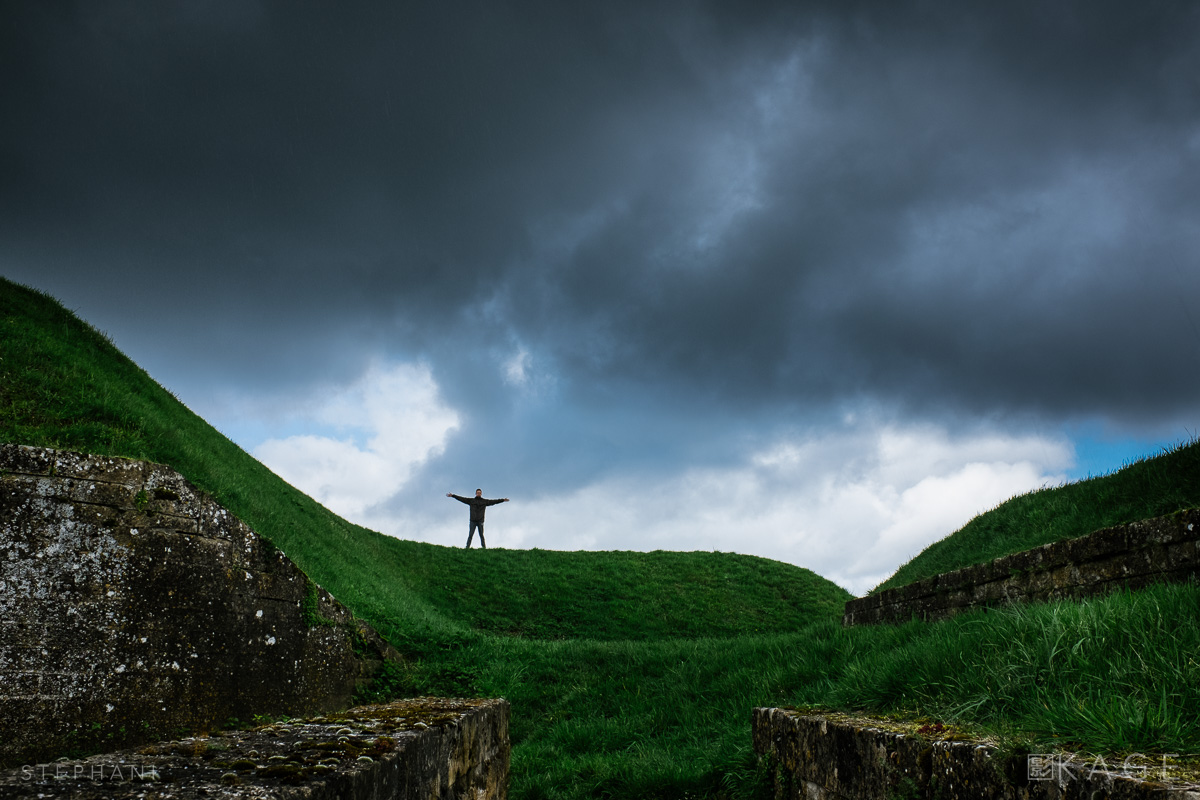
Bert Stephani | Fujifilm X70, 1/125 at f/8, 200ISO
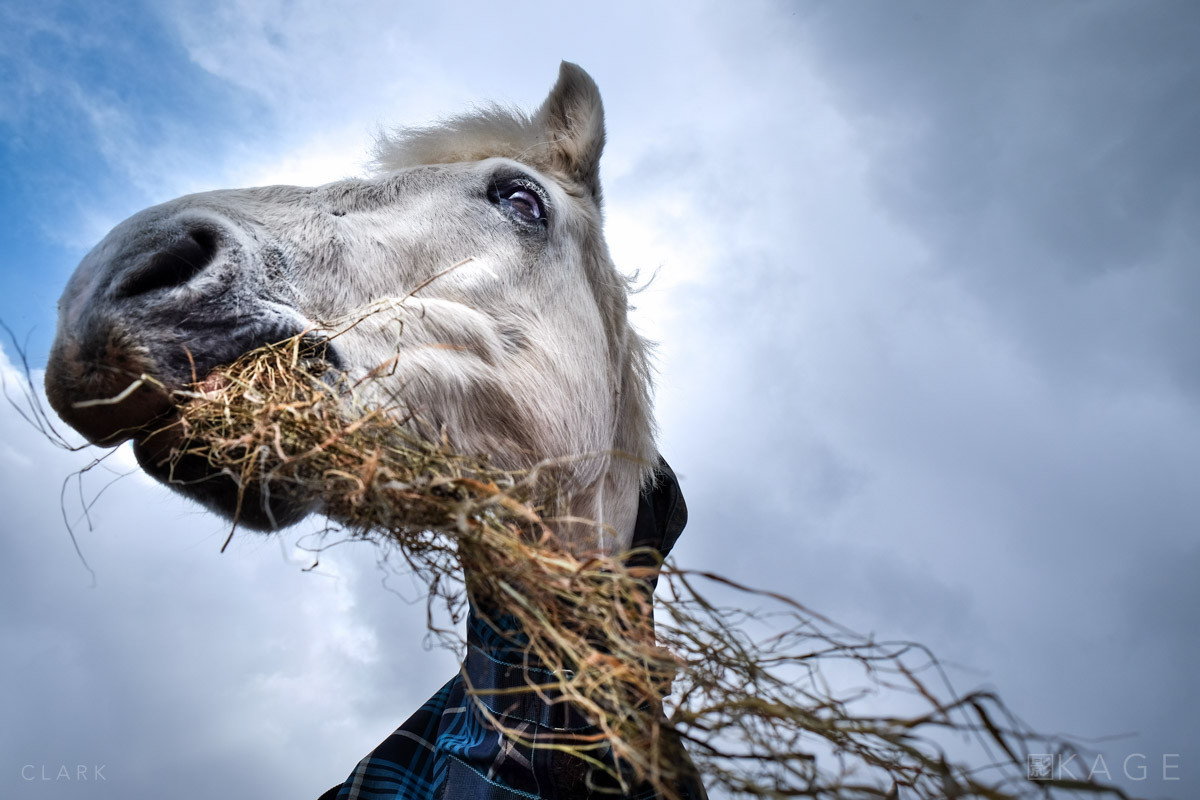
Derek Clark | X-E2, 1/550 sec at f7.1, 400ISO (XF 18-55mm f2.8-f4)
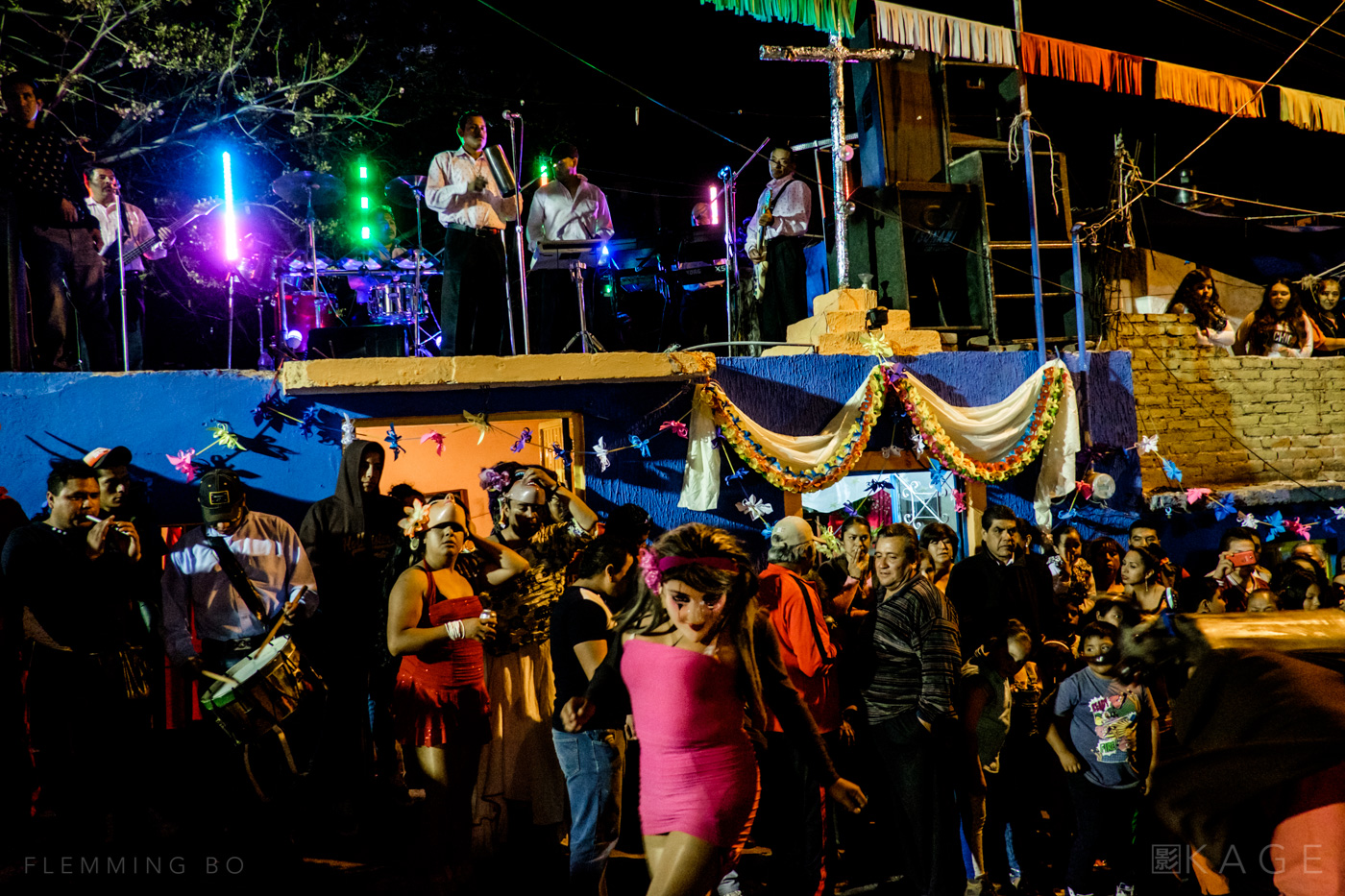
Flemming Bo Jensen | X-T1, 1/75 sec at f2.8, ISO 6400 (XF 18mm F2)
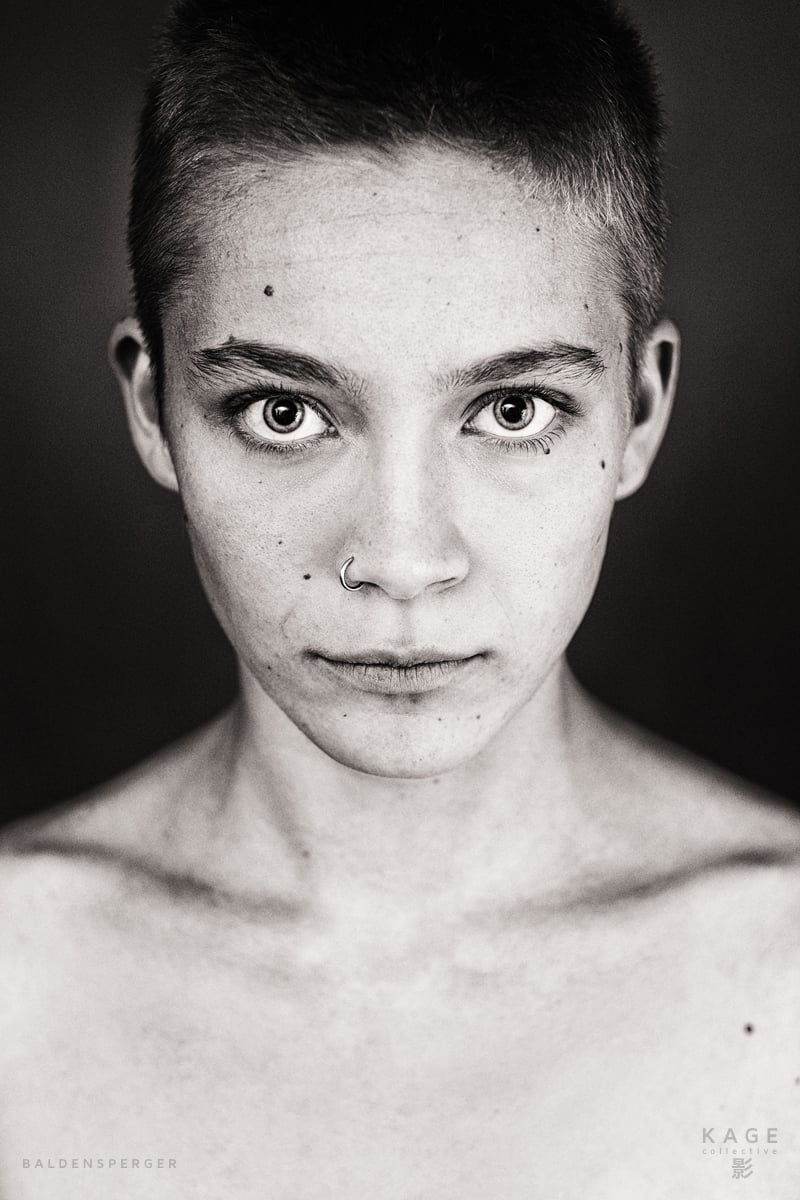
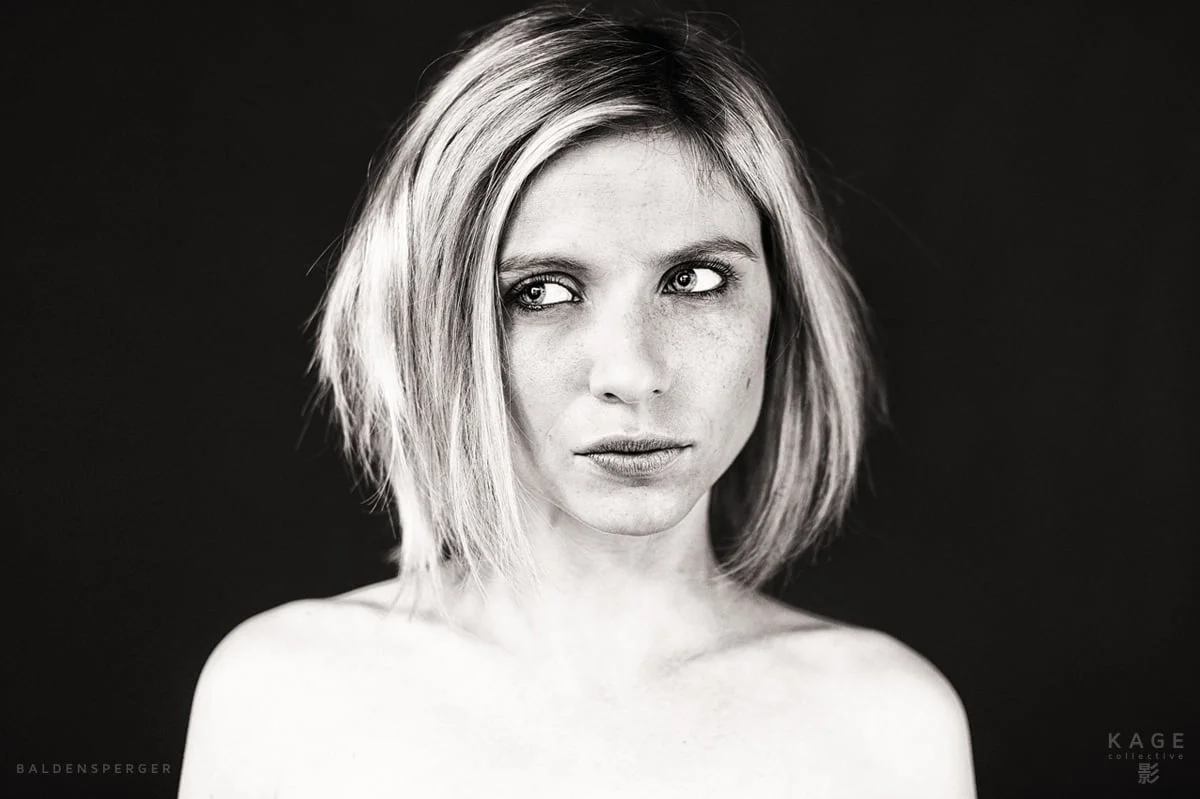
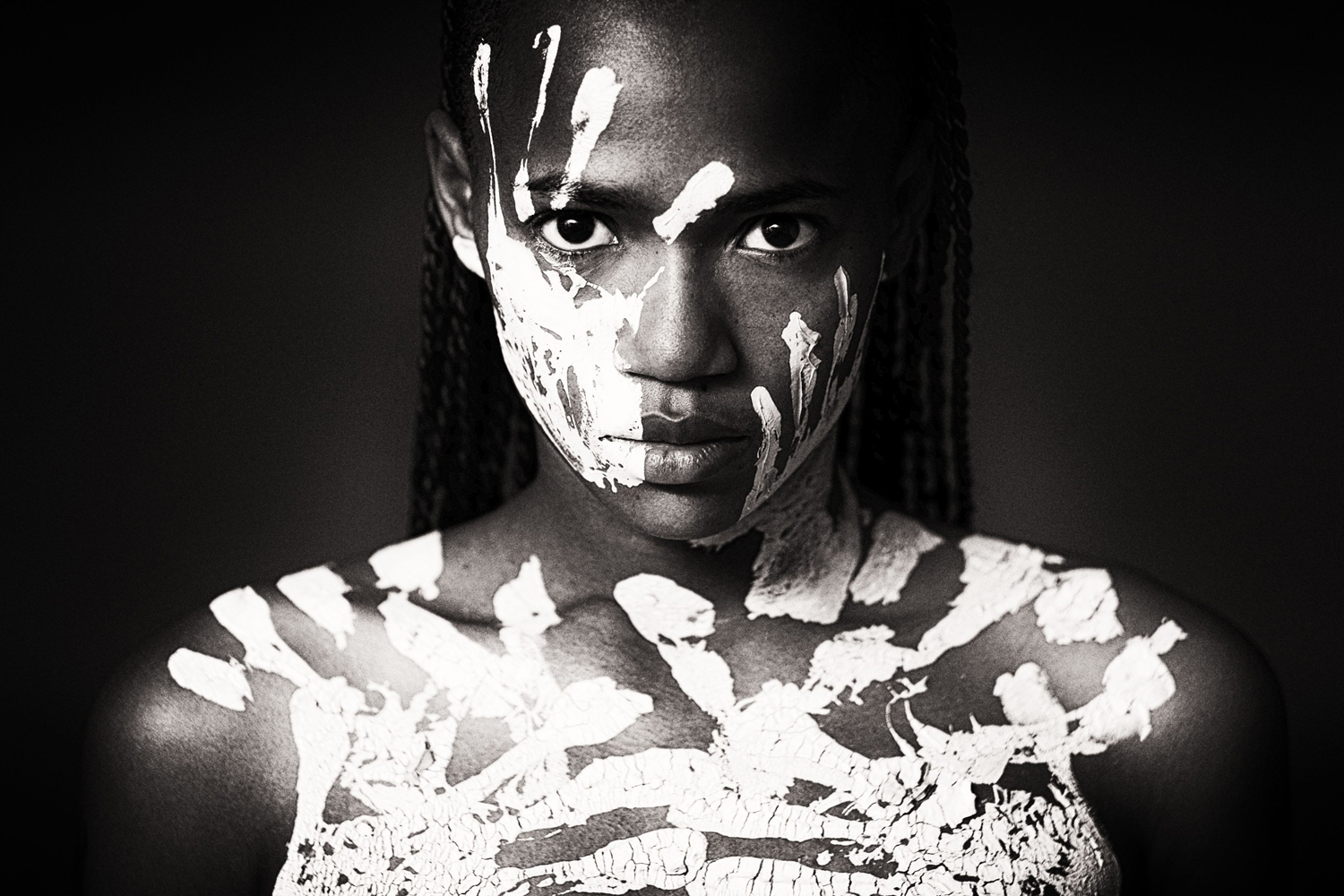
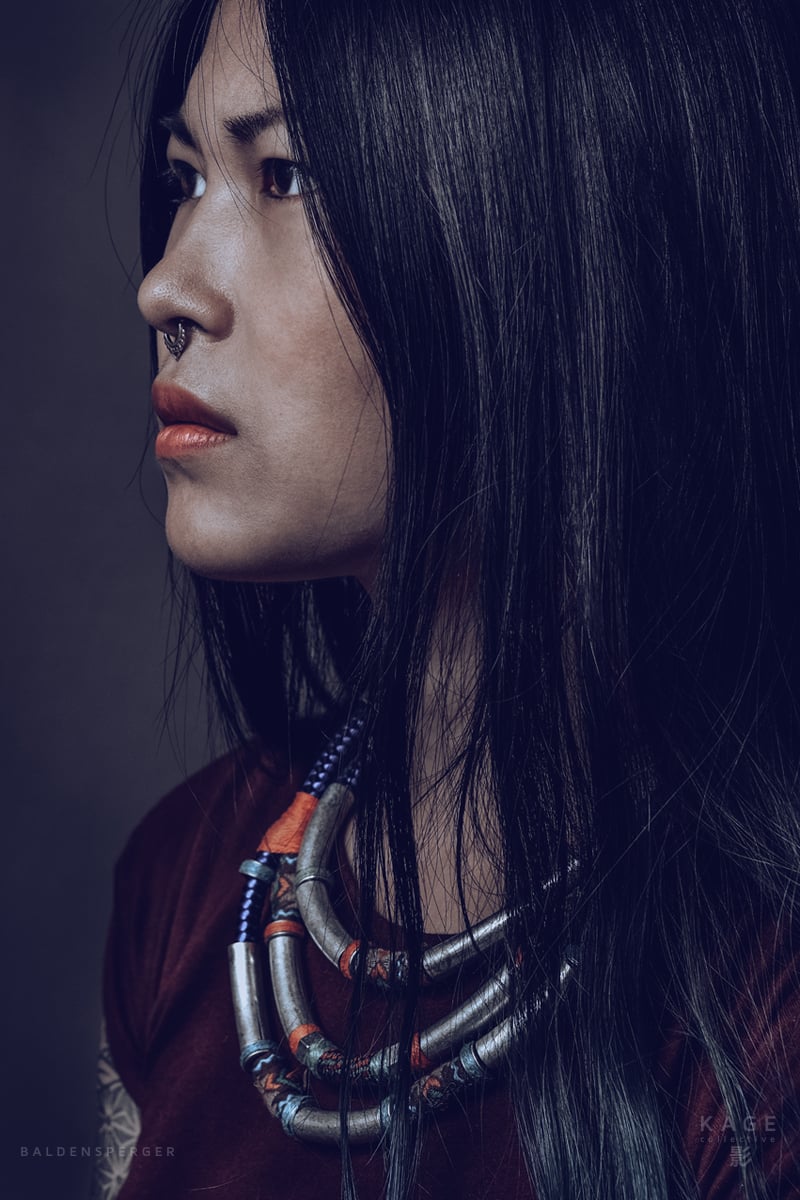
Vincent Baldensperger | Fuji X-T1, 1/280 at f/9, 200ISO (XF 23mm f/1.4)
Kevin Mullins | Fuji X-Pro2, 1/900 at f/2, 400 ISO (18mm f2 R)
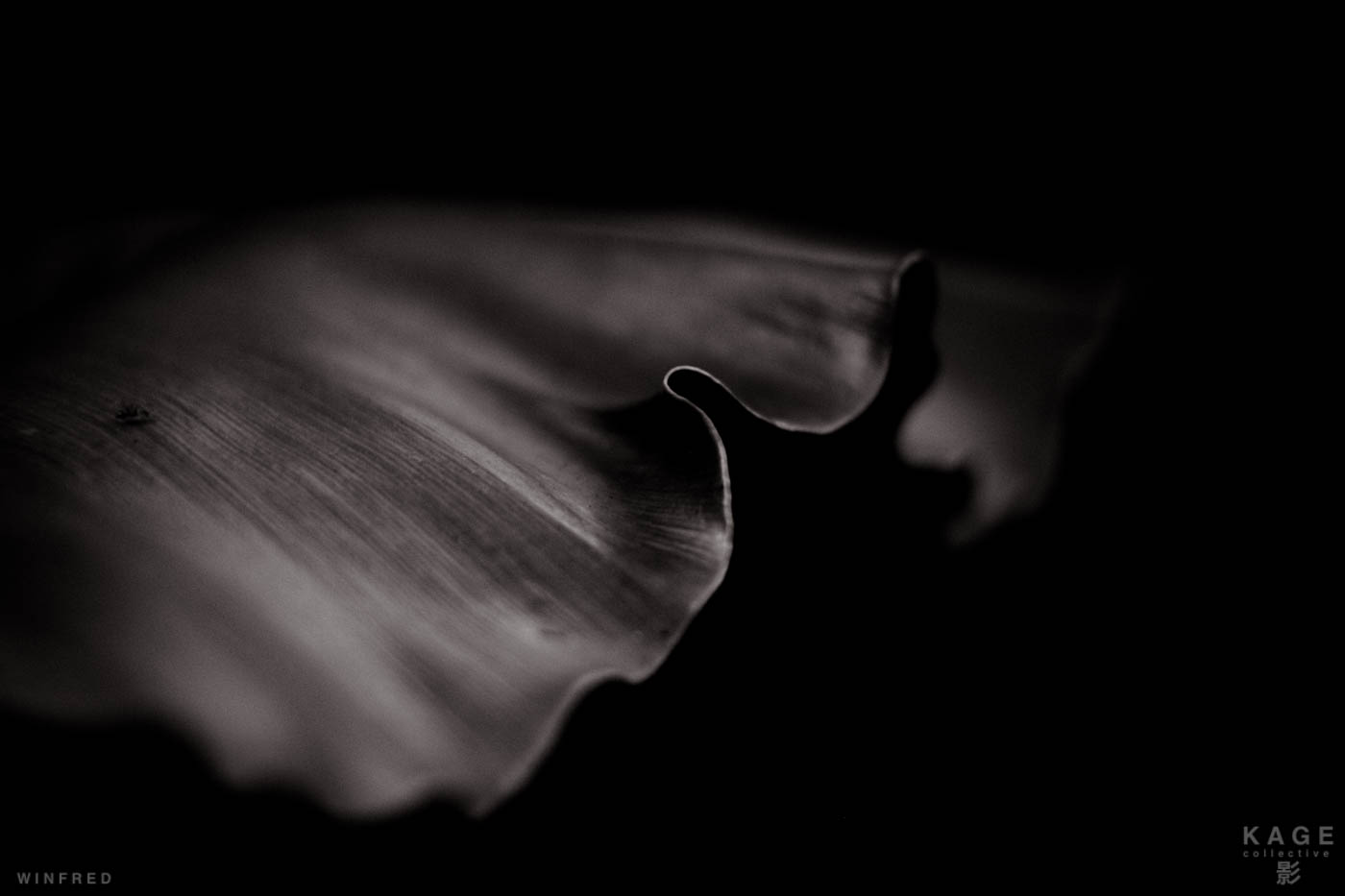
Charlene Winfred | Fuji X-Pro2 (pre-production), 1/350 sec at f/1.4, ISO 2000 (XF 35mm F1.4)
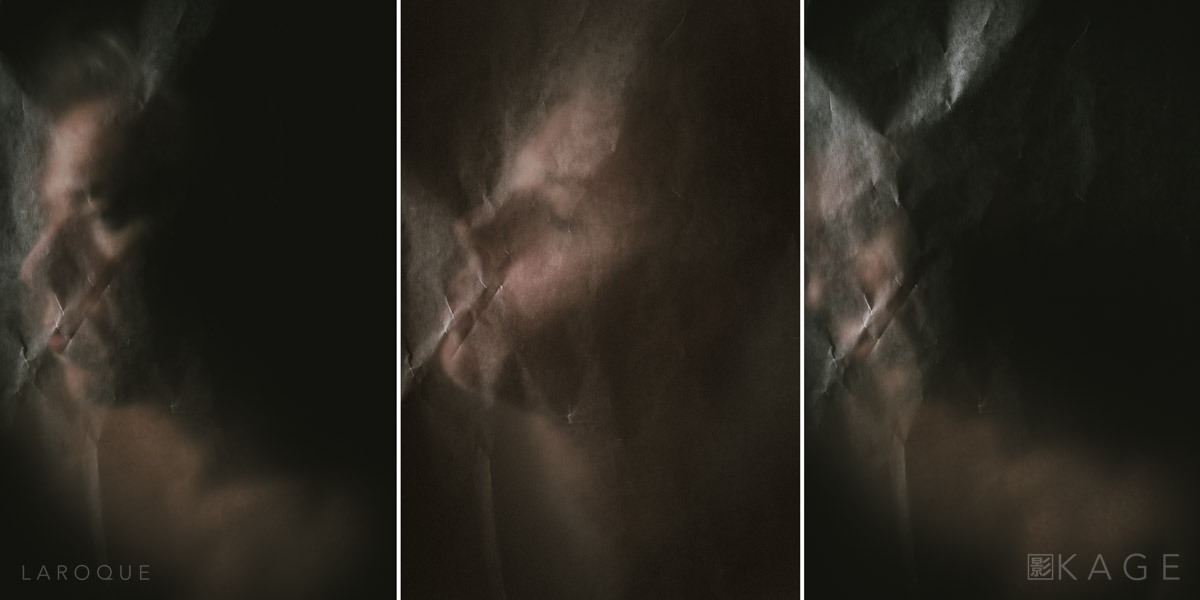
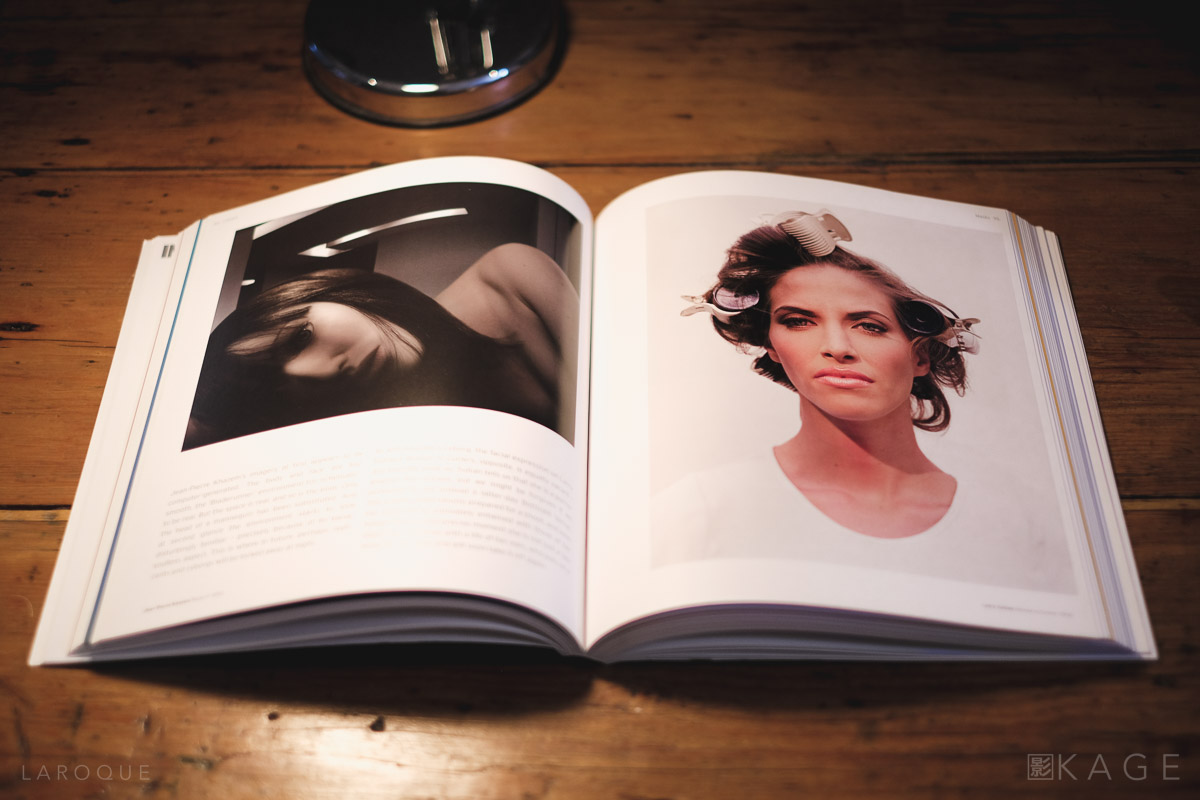
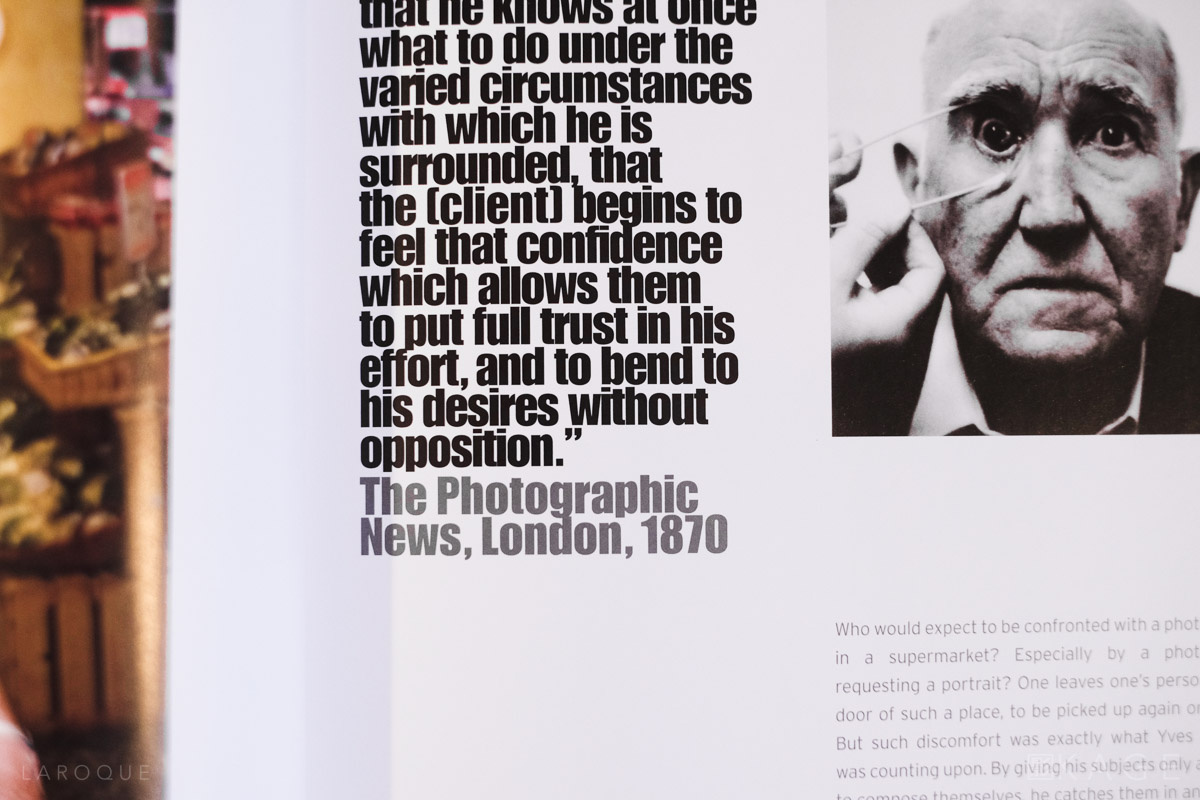
Patrick La Roque | X-Pro2, 1/1000 sec at f/2, ISO 200 (XF 35mm f/2 R WR)
““...Des visages, des figures,
dévisagent, défigurent,
des figurants à effacer,
des faces A, des faces B,
j’ai douté des détails, jamais du don des nues...””
Un temps observateur, je dévisage en silence. Chaque séance reste une rencontre improvisée soutenant l'inattendu, sans artifices, hors des figurations. Chacun se dévoile un instant seulement. Mon regard comme seul témoin. Que reste t-il de chaque aparté ? Les forces des uns, les interrogations des autres, les retenues parfois, celles qui libèrent les émotions. En souvenir, mes remerciements à chacune et chacun pour la richesse de chaque découverte.
J'ai douté des détails, jamais du don des nues.
---
At times observer, I stare in silence. Every session improvised, holding onto the unexpected—without frills or artifice. Each one revealed for a single instant, my gaze as sole witness. What remains? The strengths of some, the questions of others; hesitations that may free emotions. I give thanks to each and every one for the richness of these discoveries.
I have doubted details…never the gift of nakedness.
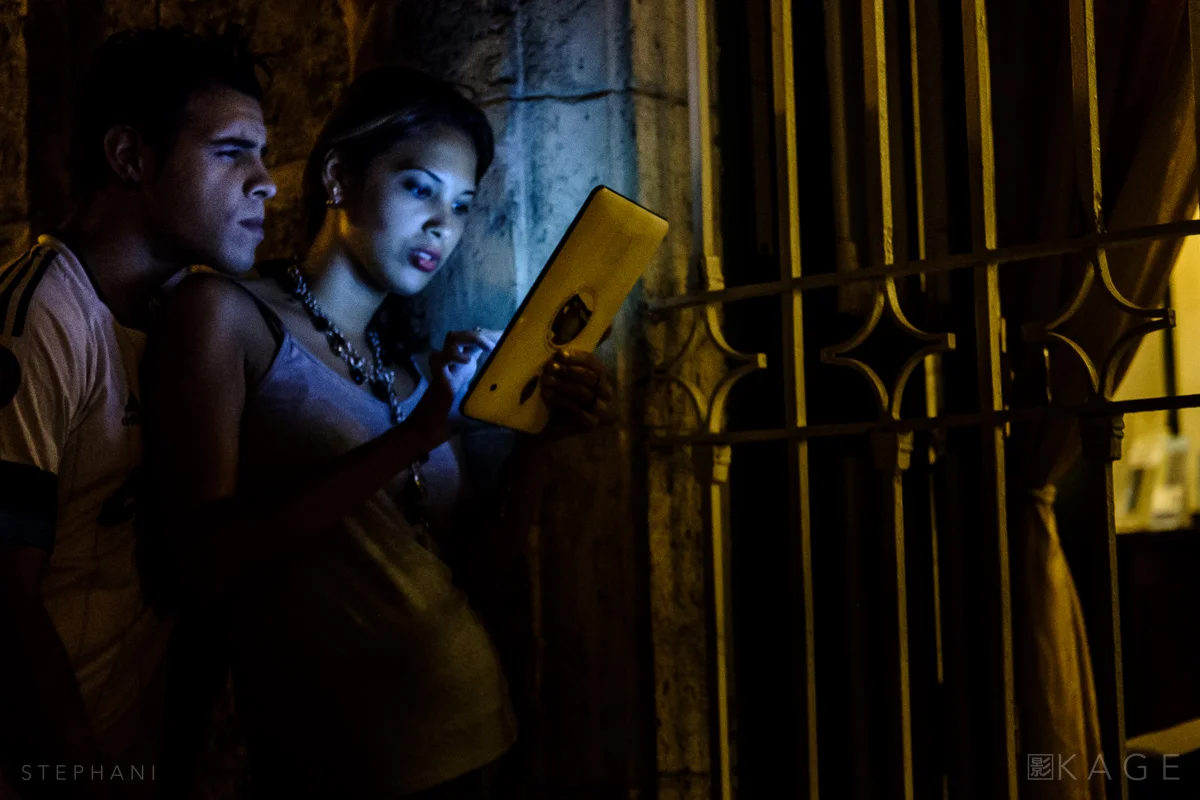
At first sight the Cuban Revolution and it’s heroes are still going strong in Havana. But it doesn’t take much time nor a trained observer to see it’s often no more than a thin layer of revolutionary varnish. The Cuban people, particularly the younger generation, don’t want to live in heroic isolation anymore, they want to be part of the world.
It’s only very recently that you can access the internet from Cuba. Connections are slow when they work at all and there are only a couple of wifi hotspots around the city. But the internet is clearly here to stay. Every night and on weekend days, Cubans with tablets, laptops and smartphones (often donated by relatives abroad) flock to these hotspots to Skype with family members in the US and other parts of the world. Faces lit up by the blue glow of their devices hang on to the images and sounds from outside the boundaries of their island.

Masks - we all wear them. They may not look like The Gimp from Pulp Fiction, but we all have different ones for different people we meet. There's the 'meet the in-laws for the first time' mask. Or 'I'm a really conscientious worker' mask. Most of the time we don't even realise we've switched masks, it's just so seamless and we slip from one to the other as the social occasion requires. These are the harmless masks we all use at some point.
But there's a more sinister mask out there. The one that stands up and preaches on a Sunday about good and evil, telling you how you must lead a good life and resist sin. But behind that mask might be your kids worst nightmare. Or Jimmy Savile, the UK TV presenter with a knighthood from the Queen. You know, the one that was always eager to do lots of charity work for the children, and actually had keys to a wing of mental hospital. That mask was almost transparent, but it worked for many many years. People saw through it, but if it's worn with confidence it will work.
Thankfully the mask you see here is the harmless kind. The kind you buy on eBay after consuming a bit too much alcohol. The guy wearing it is an open book who shares everything, without restraint. Sometimes too much.
He has less masks than anybody else I know.
“The three tyrants are the external world, the superego, and the id.”
A meditation on texture
An artist is a person engaged in one or more of any of a broad spectrum of activities related to creating art, practicing the arts, and/or demonstrating an art. Geoff is an artist. Geoff is also a dear friend, a conversationalist extraordinaire, a source of knowledge, inspiration and ideas and facts.
For this month's issue I decided to use the Fuji X-Pro2 to create a video mini-documentary about Geoff. He's a creative that creates with any medium, but he will tell you that he favours oil for his painting. He has a shed that he works in and it's a creative cavern full of trinkets, icons and worldly collections that help him remain inspired by his surroundings.
Two minutes of Geoff...
“Last night a DJ saved my life
”There’s not a problem that I can’t fix
’Cause I can do it in the mix.””
Sydney's Gay & Lesbian Mardi Gras is known around the world for the outstanding costumes and colour in the annual parade down Oxford Street; but I've found the audience is quite often as impressive as the participants.
Being such a popular event, it brings people from around the globe - indeed, I was saying to a neighbour that the spare bedrooms of Sydney are filled to bursting, that weekend - and an incredible volume of feathers, fake fur, wigs, and most of all glitter are put to use in ways they may or may not have been designed for...
“Photographers have evidently made up their minds that it is high time to introduce a new style of portraiture to the public, and we entirely agree with them...”
The text above is part of a quote printed on the very first page of the book FACE The New Photographic Portrait. It's credited to London's Photographic News, a weekly from...1880—a fascinating choice for a publication boldly announcing the death of the traditional portrait, some 120 years later. But it provides an interesting counterbalance, and it's a method the book will use throughout, pitting the past and present against one another, offering a constant reminder of how ephemeral new can be—today's cutting edge forever on the verge of becoming tomorrow's cliché.
But first the details: originally published by London's Thames & Hudson in 2006 and written by William A. Ewing (with contributor Natalie Herschdorfer), FACE The New Photographic Portrait is a 23.3 x 2 x 27.9 cm, 229 page book featuring 258 images, 166 in colour and 92 in duotone. I own the trade paperback version and as far as I can tell the book is no longer in print, although copies can surprisingly still be found in various bookstores (Indigo in downtown Montreal still had one in its inventory at the time of writing). Used copies of the hardcover edition are also available through various vendors on Amazon.
It's a sprawling and careful exploration of the art of portraiture, covering every aspect of the genre from editorial to commercial; from the crude to the exploratory, sometimes eerie world of contemporary art. It's the face as centerpiece, as pretext and as launching pad.
The book is divided into several themes that make up the main chapters, each one containing two sub-themes:
1. GAZES
FACING UP
FACING DOWN
2. LOOKS
MASKS
MERGERS
3. FAÇADES
LOSING FACE
SAVING FACE
4. TRANSPLANTS
FAKING FACES
MAKING FACES
Every photograph or series is commented, providing information on the thought process behind the images but also offering reflections.... This, combined with well-written, engaging essays, transforms the book into the kind of work that, for me, becomes a tool rather than a mere coffee-table curio—which in a way makes me glad I don't own the art collector hardcover/linen version because I can treat it as such. It deliberately challenges by asking questions that purposely go unanswered, by throwing us smack down into a wealth of images that span every direction. It's thought-provoking visually but also philosophically, addressing issues such as vanity vs reality, physicality vs so-called soulfulness, trickery and manipulation. Some of the essays force us into re-examining our process, perhaps into asking ourselves why we choose to work the way we do, even opening the door to considering new possibilities. This is a book I keep going back to, over and over again.
Any book focusing on "the now" can quickly become dated. Such is the reality of trends—like a pair of stonewash jeans or a mullet. But in my opinion, ten years into its original publication, FACE remains relevant, withstanding the test of time through astute commentary and an always interesting curation that seems to have foreseen many of the movements still defining photographic portraiture today. It also avoids tunnel-vision by making an extensive use of pull-quotes that not only add to the book's visual signature, but also serve as counterpoint to some of the work, sometimes adding emphasis, at other times providing a historical backdrop or subjective commentary. It's a device that could've been simplistic but it works extremely well and makes the book much more than just a compilation of portraits, however engaging.
For instance, below two self-deprecating images photographer Lee Friedlander took of himself in the late 90s, we can read a quote from French poet and philosopher Paul Valery that says "Man cannot bear his own portrait. The image of his limits and his own determinacy exasperates him, drives him mad." Likewise, the Photographic News weekly from the late 1800s—which I mentioned earlier— is used multiple times, exposing just how little our innermost preoccupations have changed, how the issues facing us today are often the same we were struggling with at the dawn of the art form.
And yet, things do change. And as relevant as it still is, there's a missing chapter to FACE that highlights just how quickly our reality can be transformed in very little time: in 2006, the word selfie had yet to become mainstream. Instagram was four years away from filtering into our collective consciousness. These are such a major shifts in photography and society at large that it immediately places this work firmly in the last decade. Any updated edition of this book would absolutely need to include an in-depth essay on these mass phenomenons that are so entirely based on the image, with a capital I, and our obsession with it. Our Face today is multiplied a million times over, like our own private take on Warhol's silkscreen series, a hijacking of the very concept of his fifteen minutes of fame.
In 2016, the face is a perpetual illusion, a façade and a wall behind which we may be hiding our true nature. It's the major building block of a systematic and constant re-imagining of our lives into a multitude of idealized frames.
See? I told you this book could make you think ;)
It's not perfect though: like any selection it's a subjective construction that in this case usually tends towards contemporary art and a certain affectation in terms of some of the projects' premises. Beyond what we find in museums I believe there's a wealth of portraiture work that should be considered references in the genre—the work of Dan Winters for instance.
But regardless: FACE The New Photographic Portrait endures. Its broad approach to the subject and its clear, in-depth commentary still make it an amazing source of inspiration to this day. If you can find a copy and you're interested in the topic, I highly recommend it.