
BY ROBERT CATTO
[This is a companion essay to my real world lens review, published on my own site today.]
It’s been almost twenty years since I last travelled to Spain, or indeed, Europe.
I’ve moved countries myself in that time, and changed cameras too many times to count—but one of my favourite memories of that trip was using the Hasselblad X-Pan I owned at the time, capturing the sights in that extra-extra-wide view; and with Fuji bringing out the GFX100RF with the 65:24 crop in camera, I wanted to do it all again on this trip.
Unfortunately, I don’t have one. So a new Sigma 17-40mm f/1.8 on my X-H2 would have to do the job…but the real point of the exercise wasn’t to have a different camera, or to try a new lens.
I wanted to find what I had lost along the way, give myself a different way to see the world—to revisit not just Spain, but the way of seeing I’d had once before.
I sometimes see photography as solving a riddle.
You’re faced with near-infinite possibilities every time you look around with a camera in your hand: what lens, what shutter speed, what perspective, what to include and exclude, whether to wait for the light to change—but if you’re like me and have (almost) always used cameras with a sensor based on 35mm film, the one constant has been the shape and proportion of the frame. That’s what the X-Pan gave me all those years ago: a new riddle to solve.
So in the absence of a camera that forced the new perspective on me, I improvised—setting the framing guidelines to ‘24-grid’ gave me a full-width, half height version of the viewfinder, so by ignoring the top and bottom of the image I could focus entirely on the middle strip.
Turns out the old riddle was there all along, I just needed to find it; and all it took was a trip around the world to prompt me to go looking for it again.
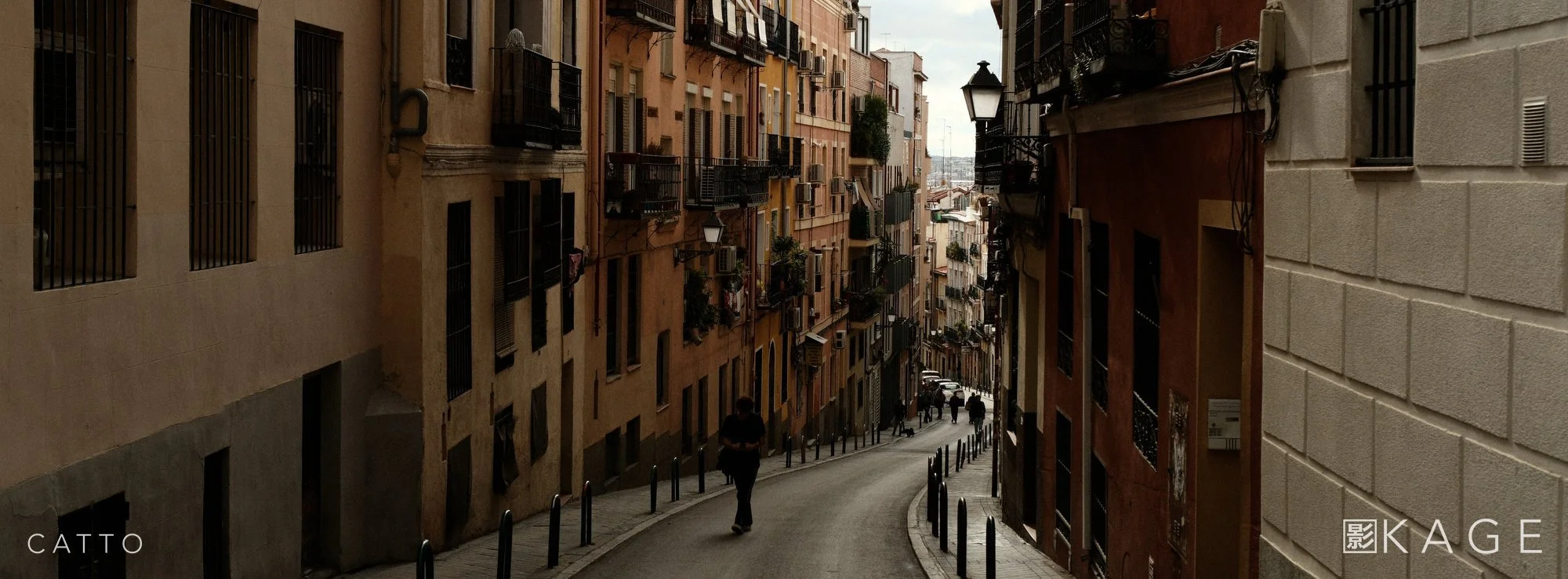
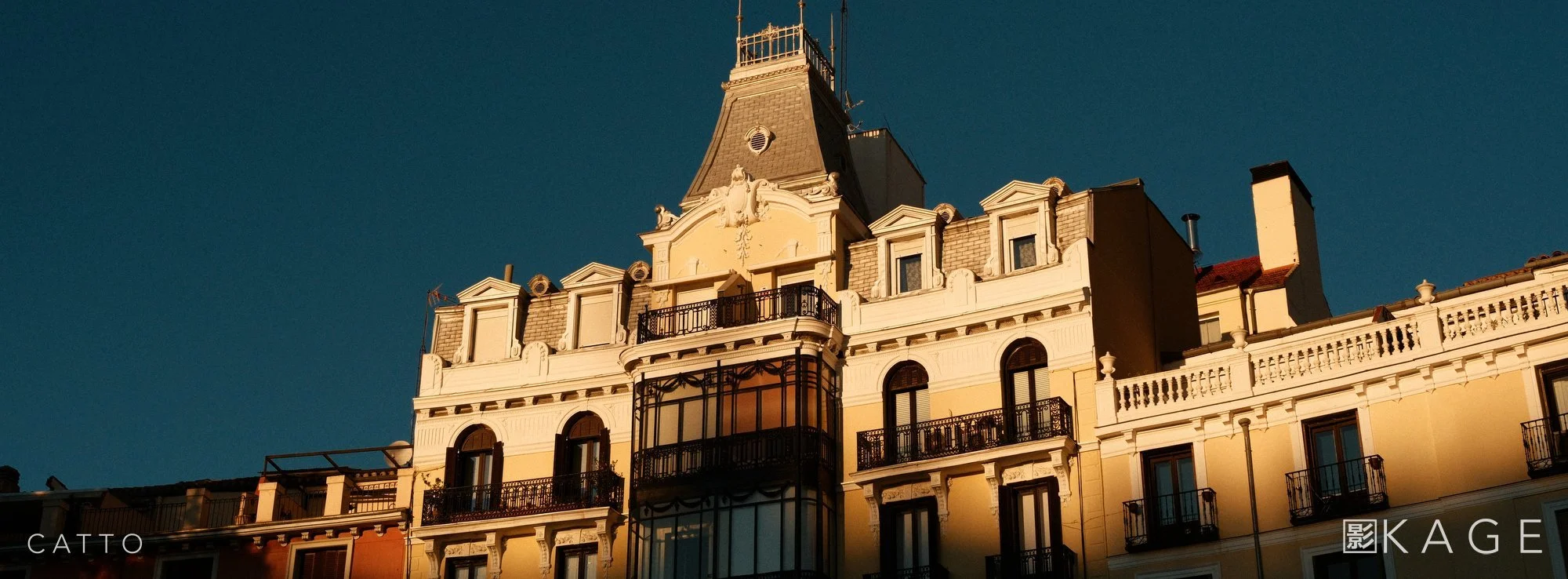
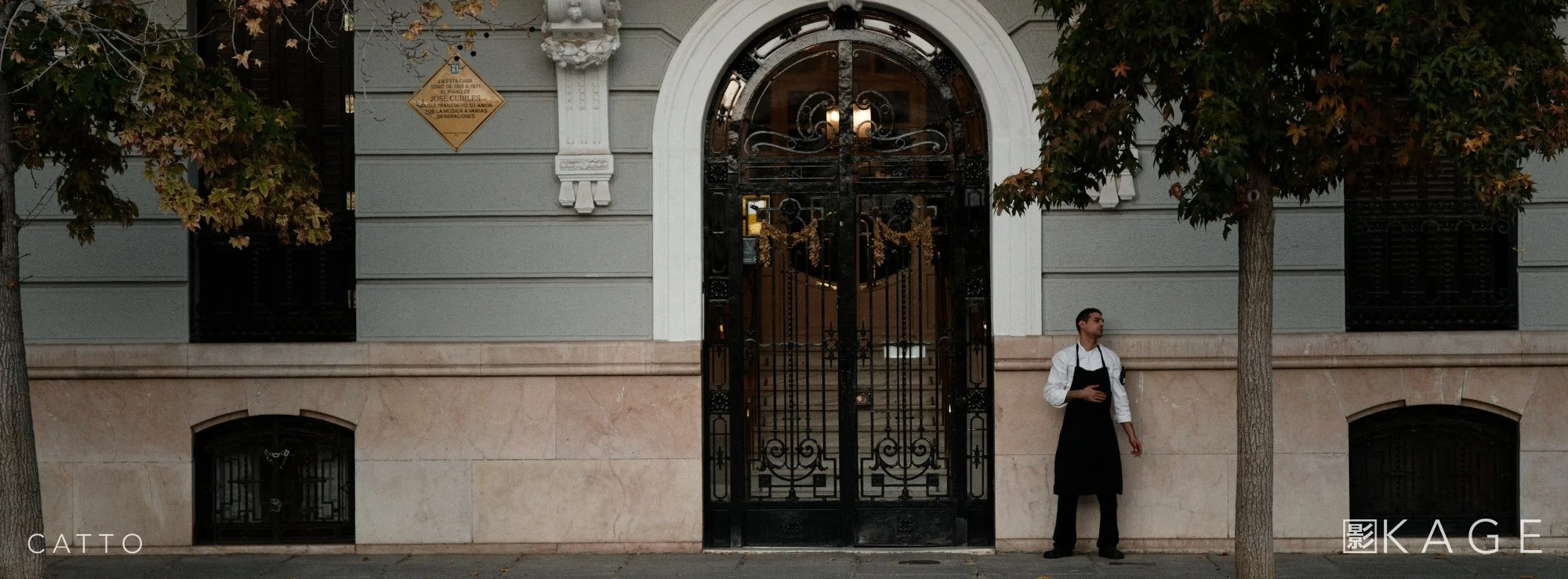
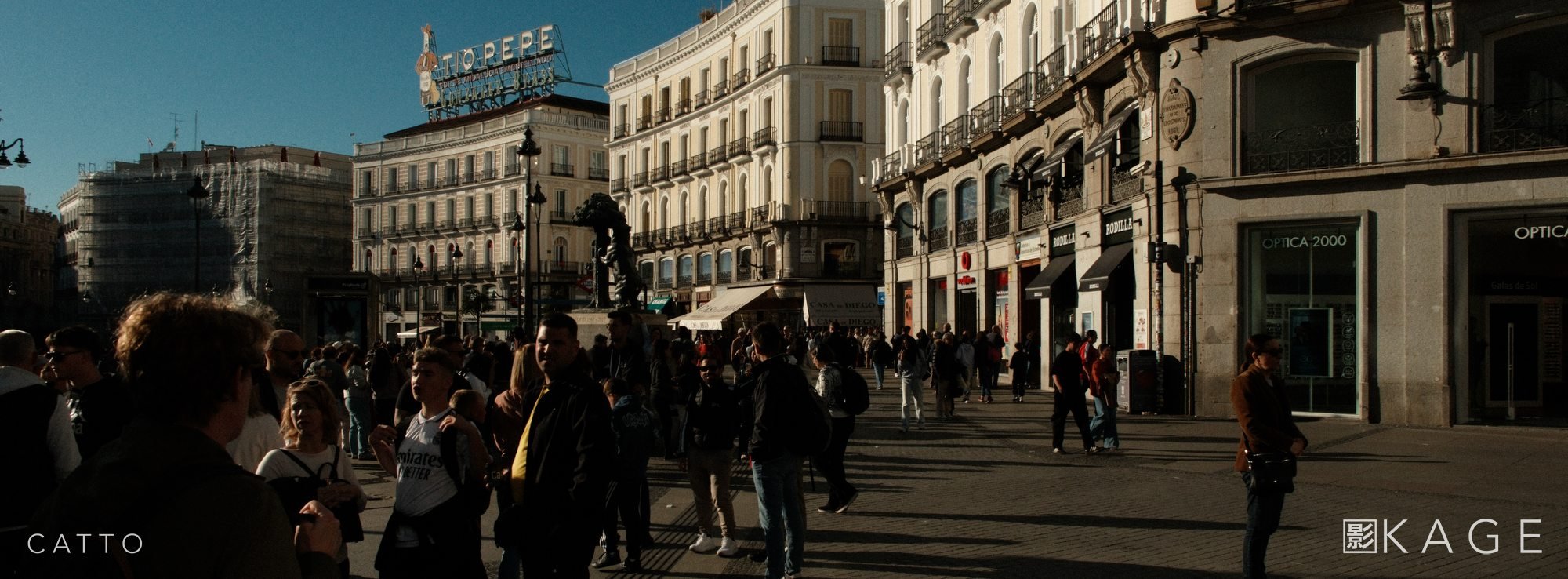
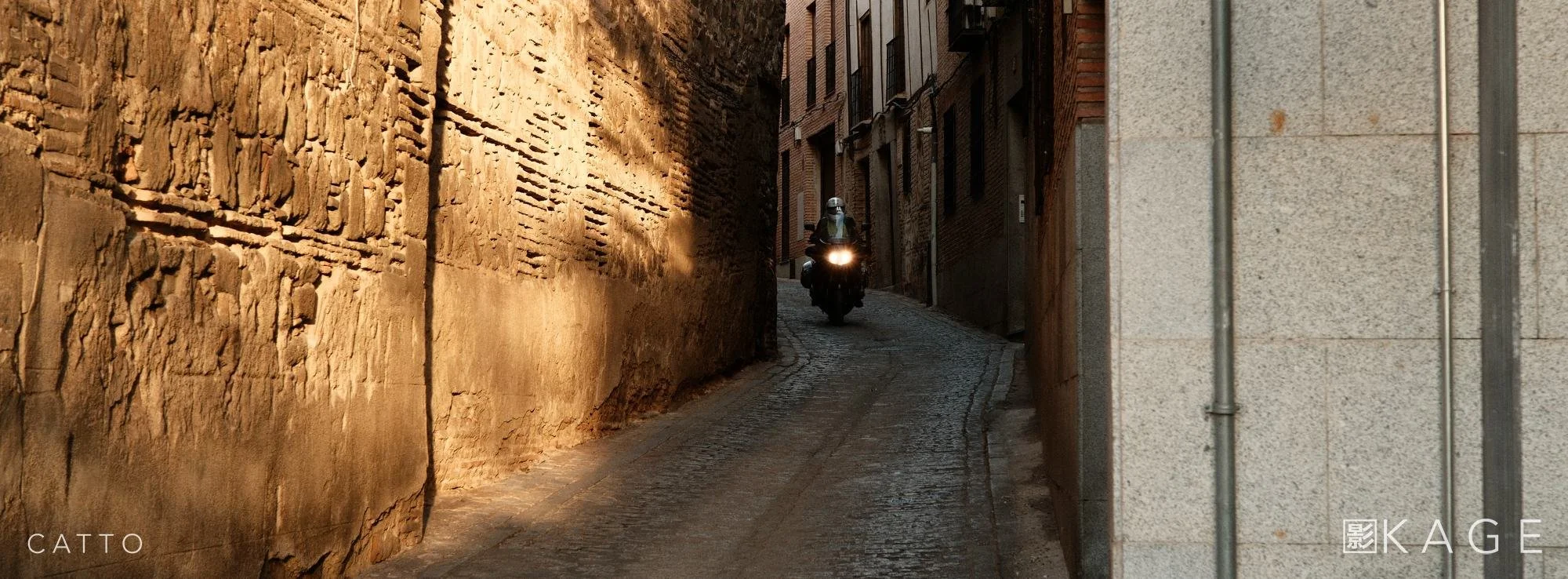
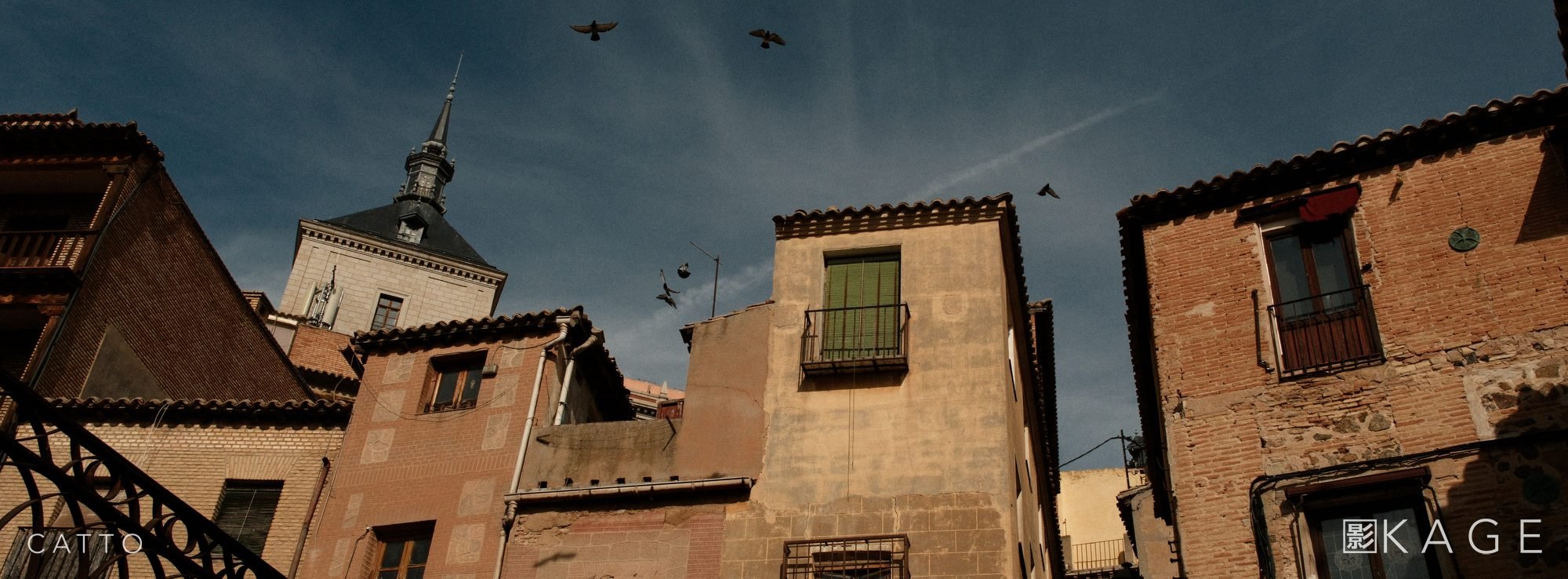
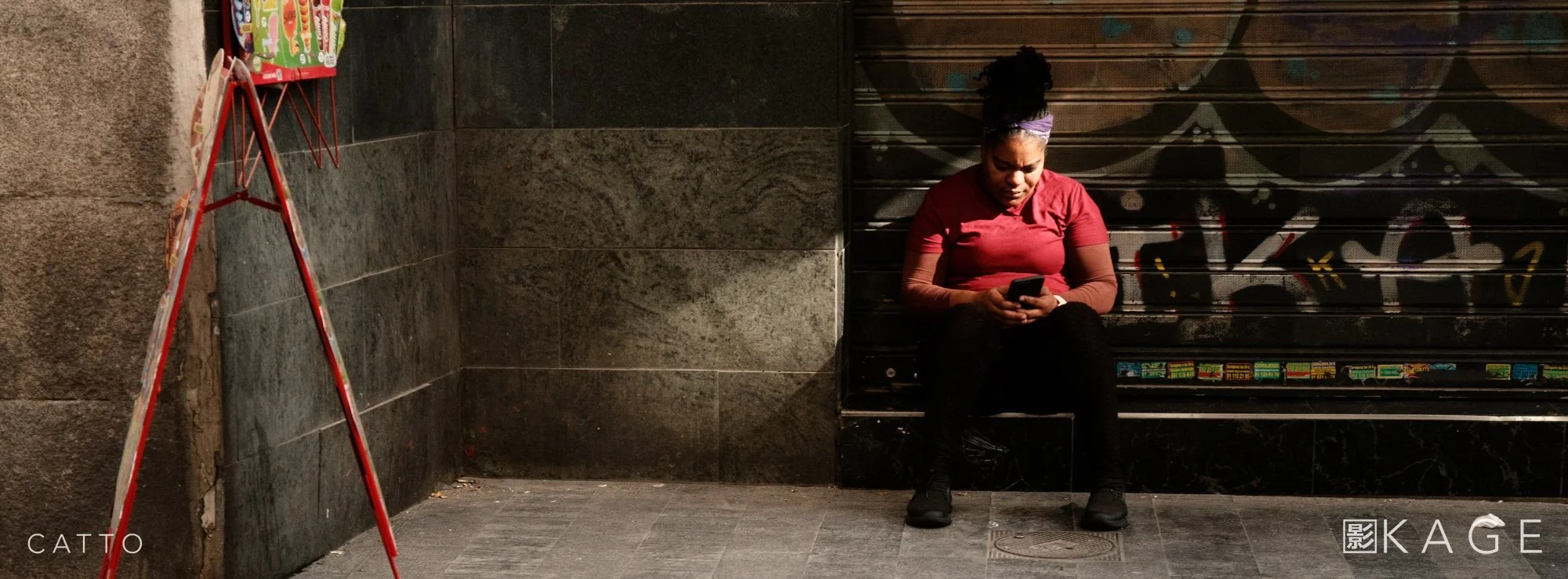
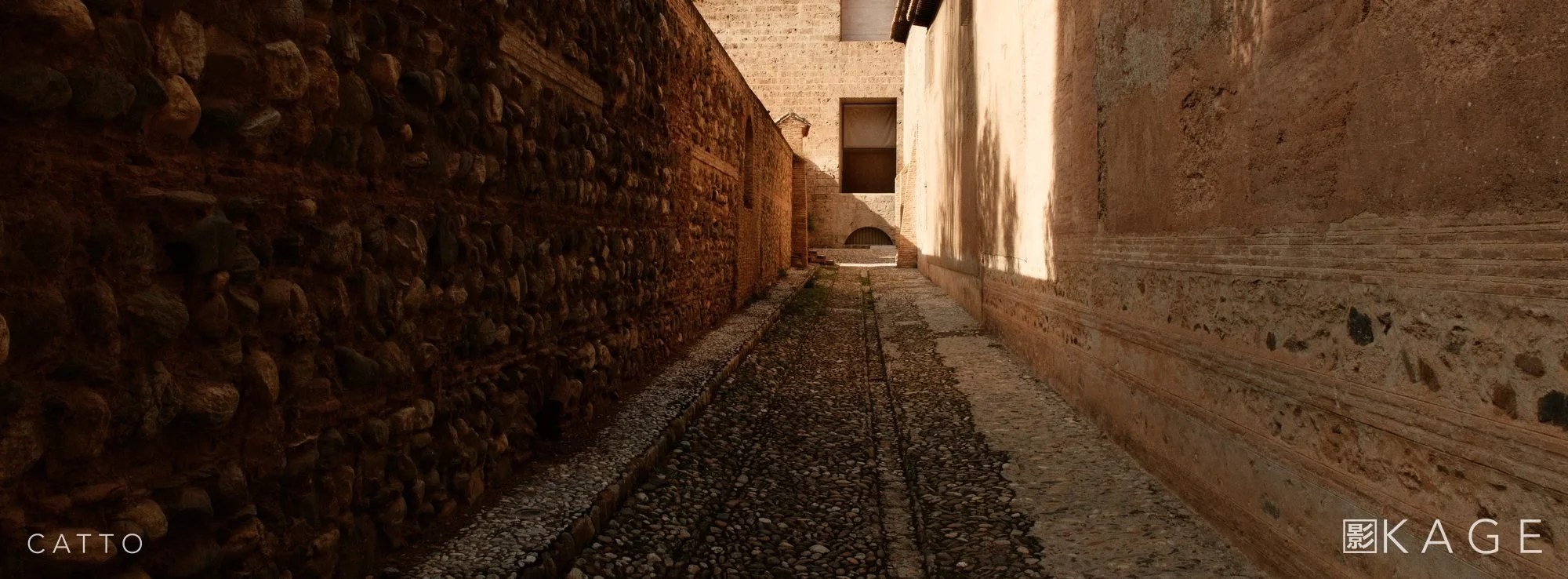
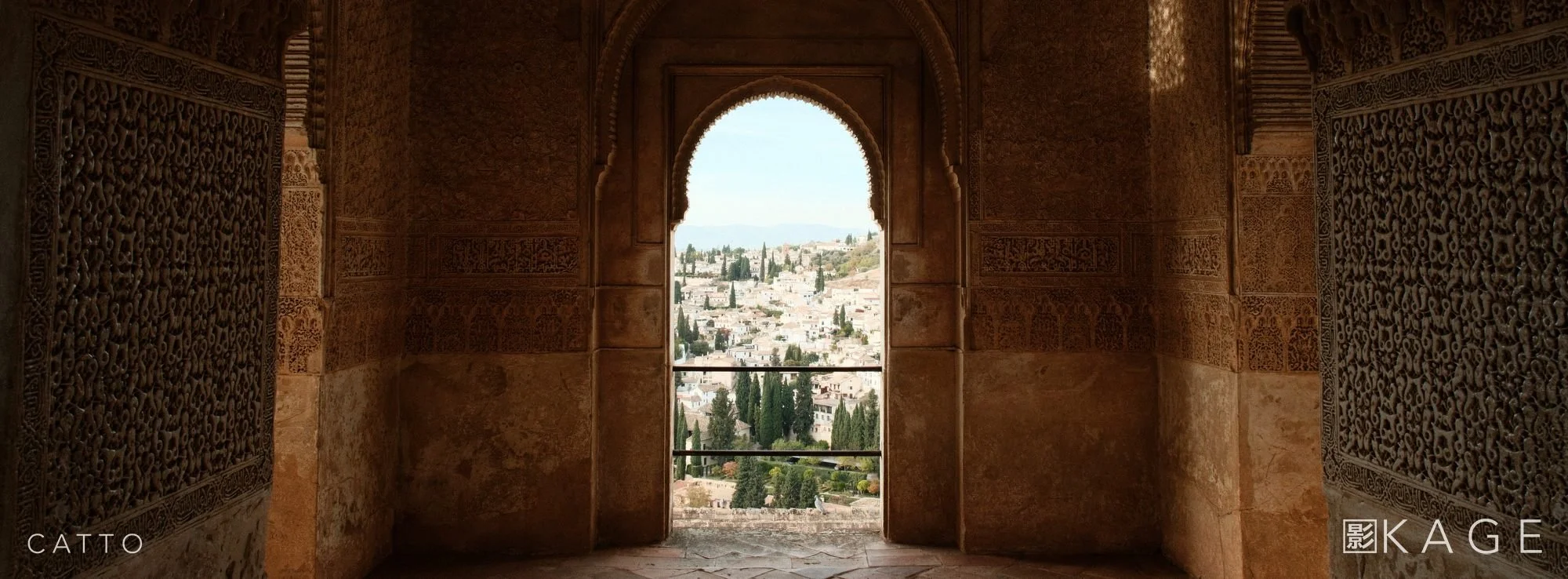
Sure, some of these images also worked at “full frame”, if we can call it that—but what is photography, if not intention?
The decision of what to include and exclude is always a crucial element of any image; sometimes that choice is made in-camera at the time, and sometimes it’s made later with the crop tool. Personally, I find the in camera decision process more satisfying, and very rarely crop anything later (though in this case, it was inevitable).
But to me, the real satisfaction is in finding framings that work in this ratio—where your focus is drawn to a part of the frame, or the light or a line in the image leads you somewhere unexpected. Often balance is the most satisfying, other times it’s the unevenness.
And sometimes, it’s just what’s unfolding in front of you.
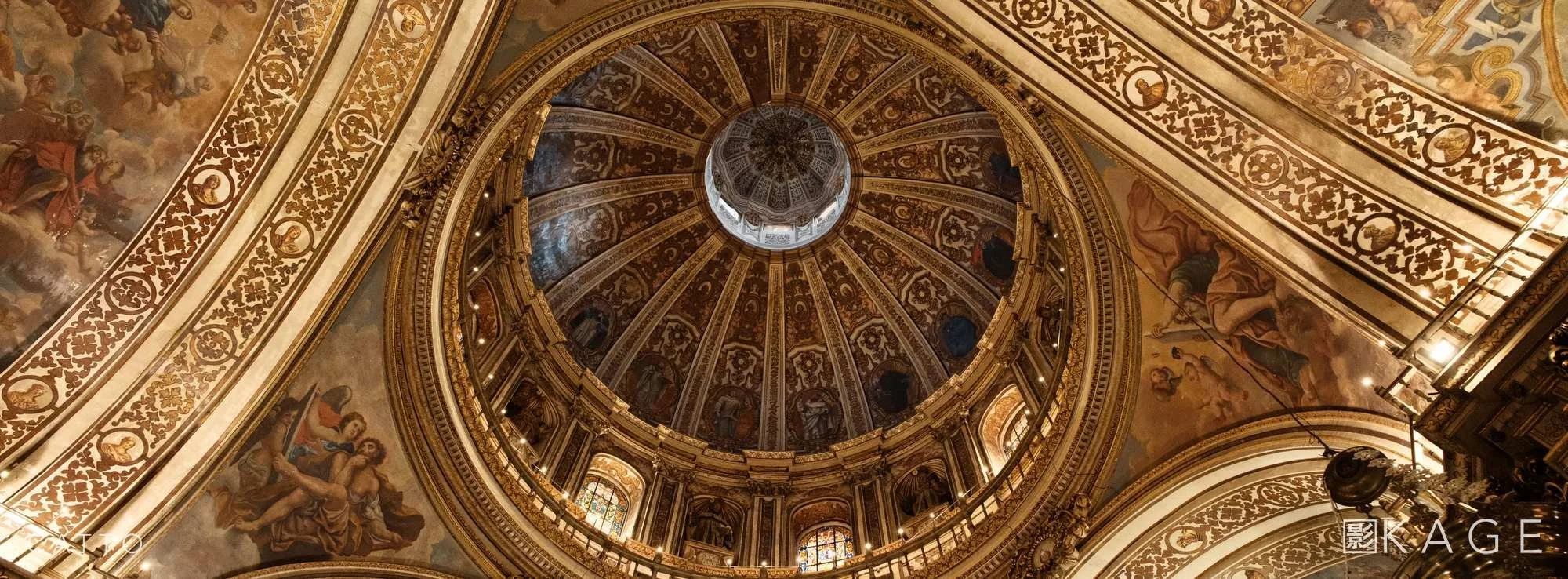
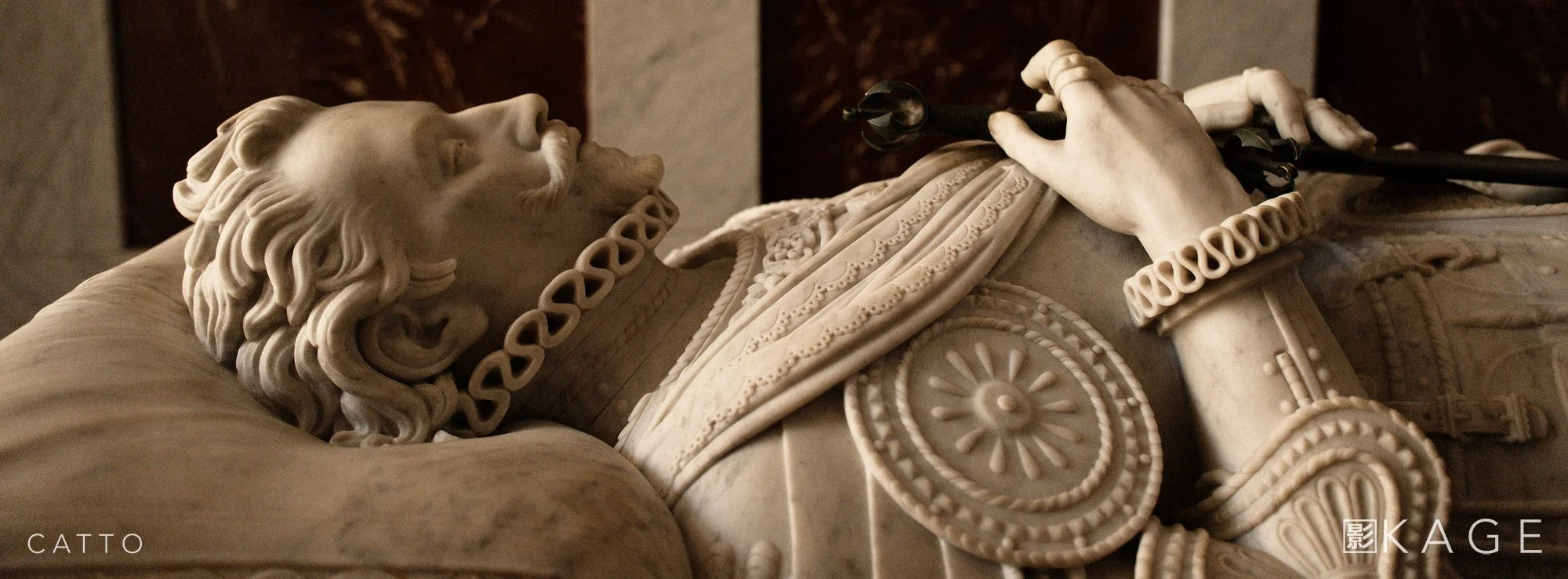
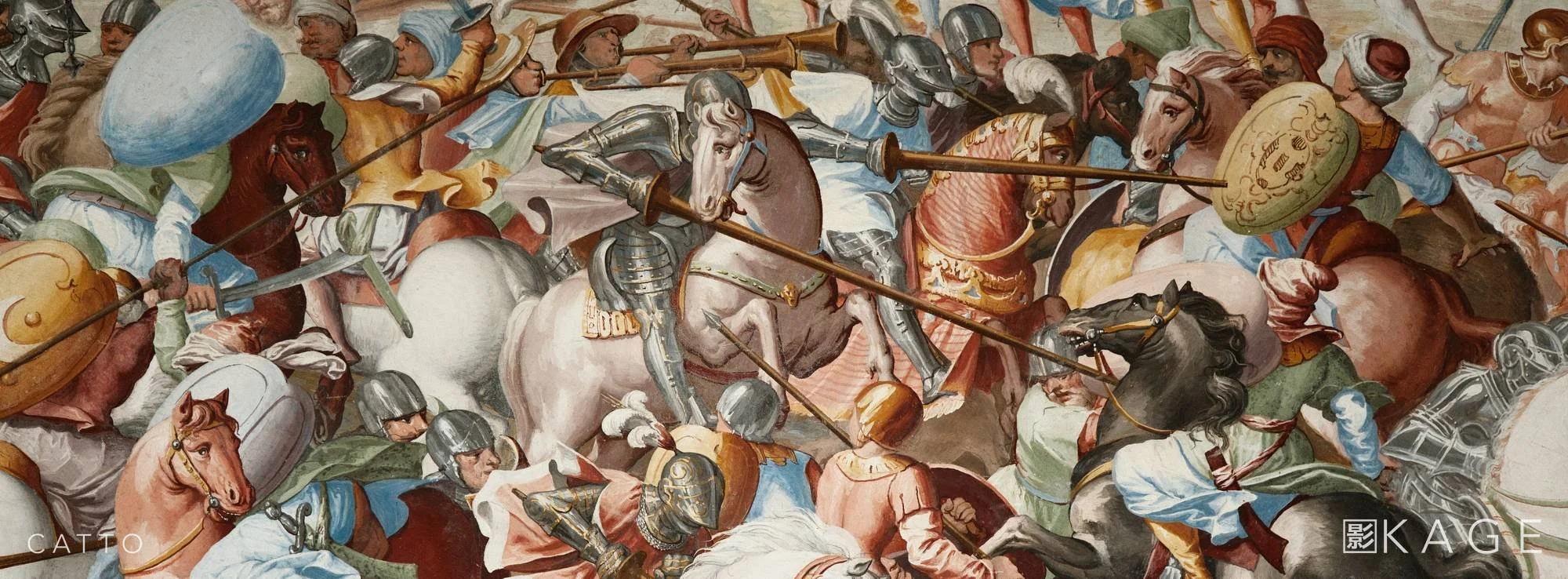
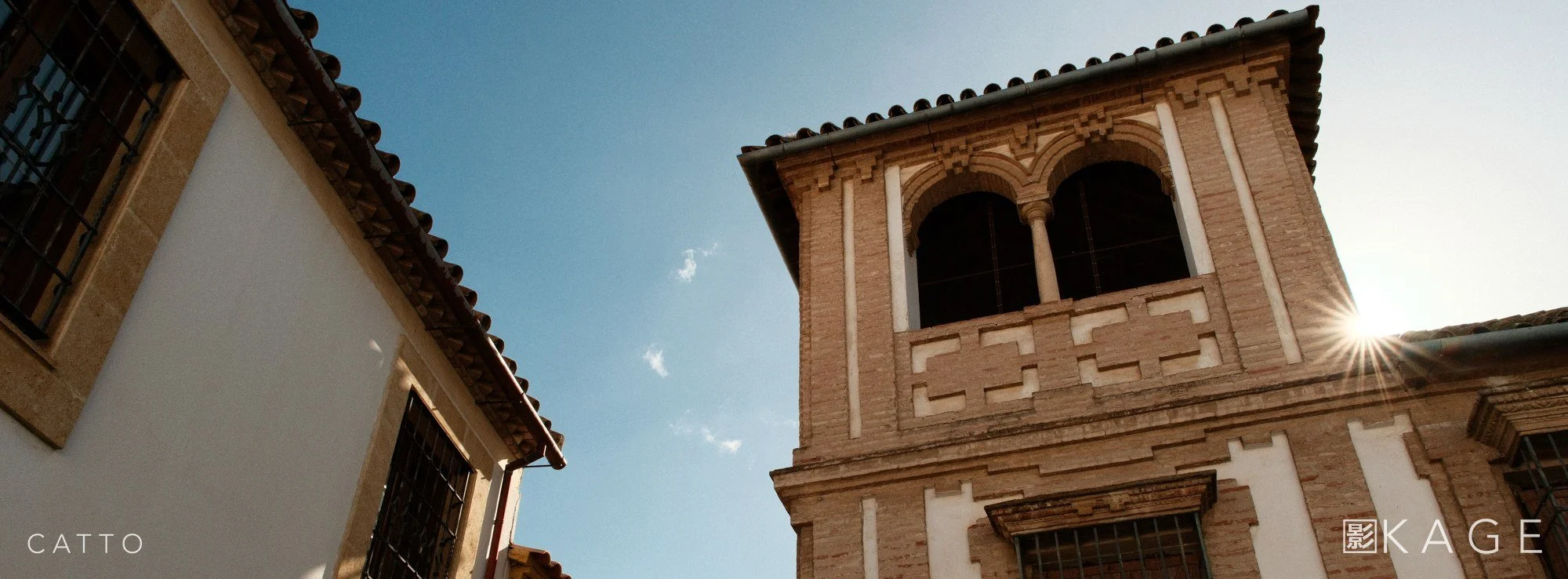
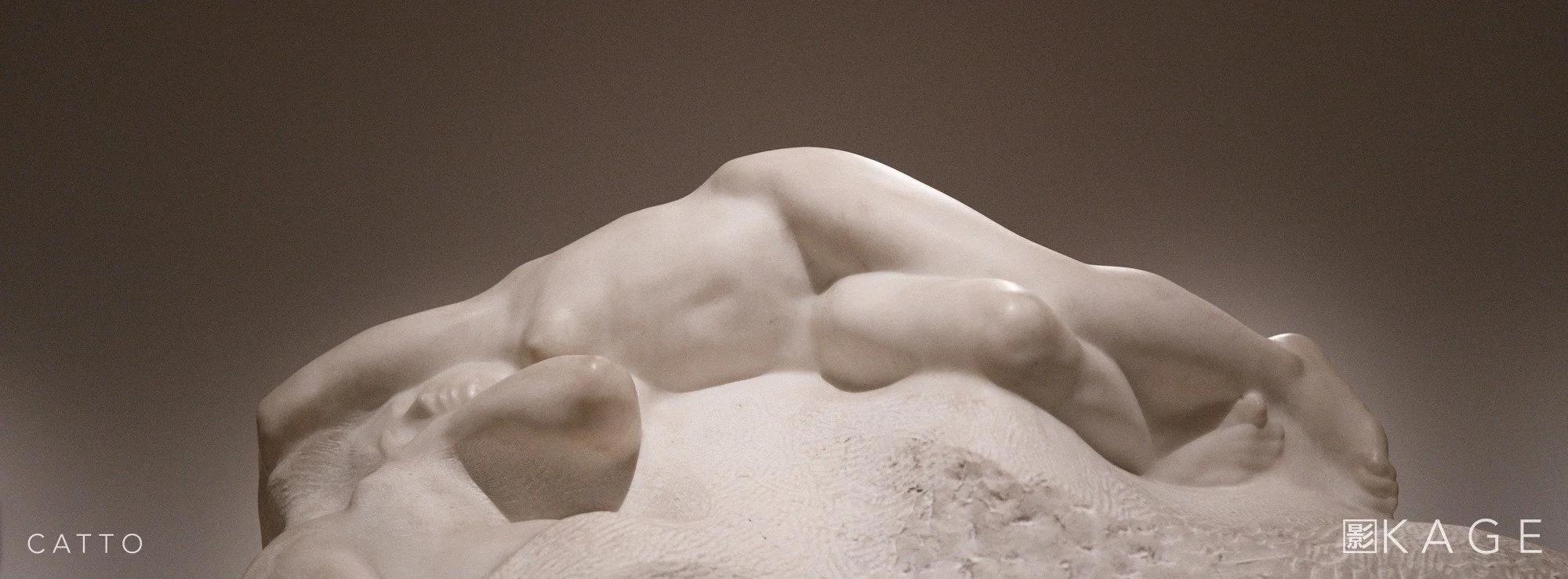
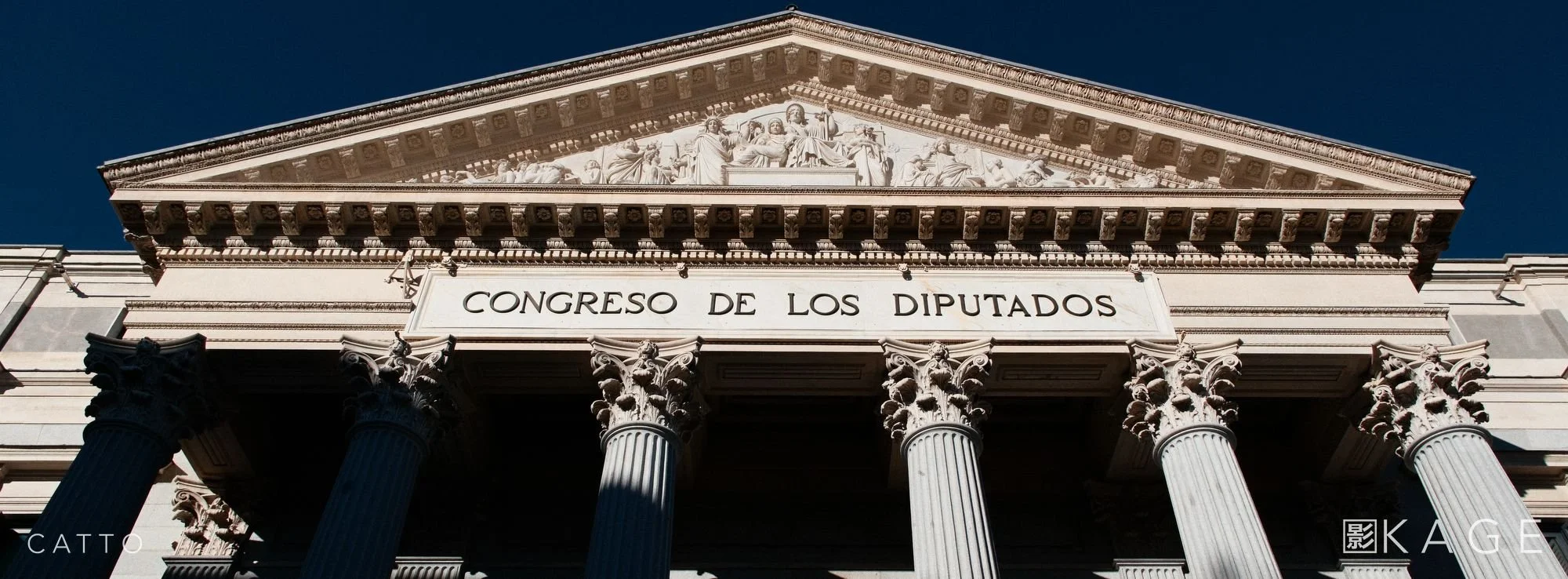
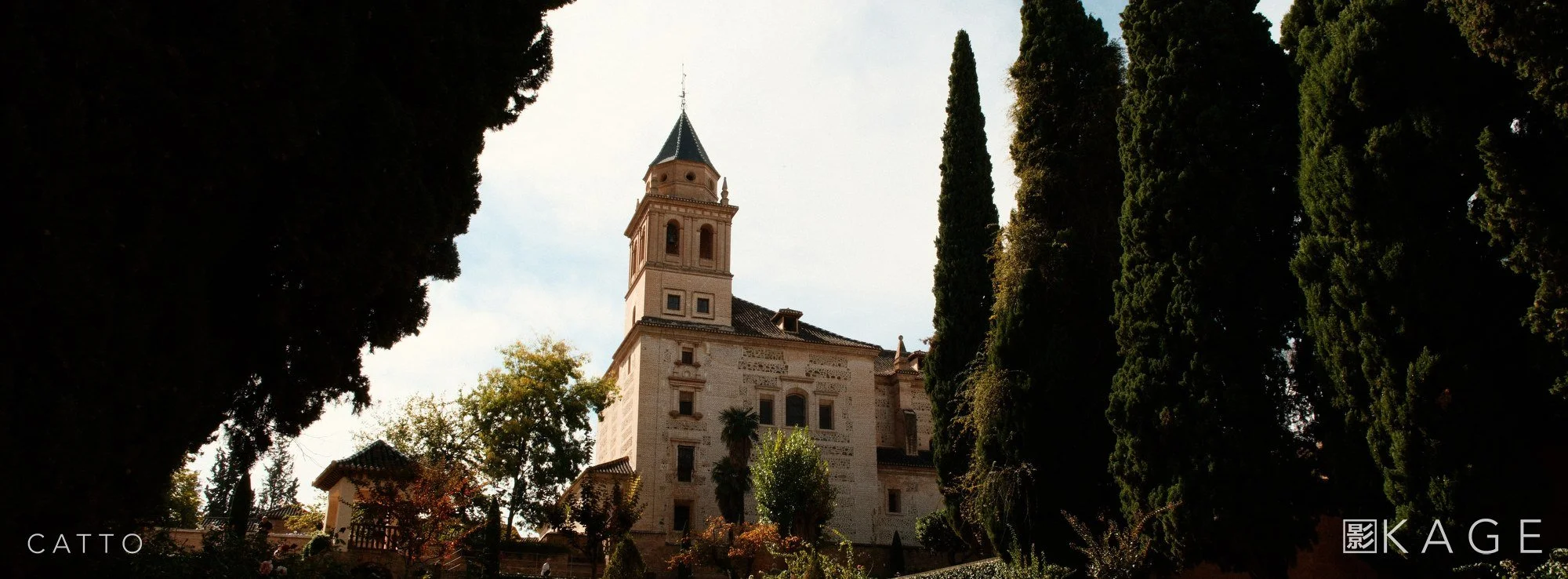
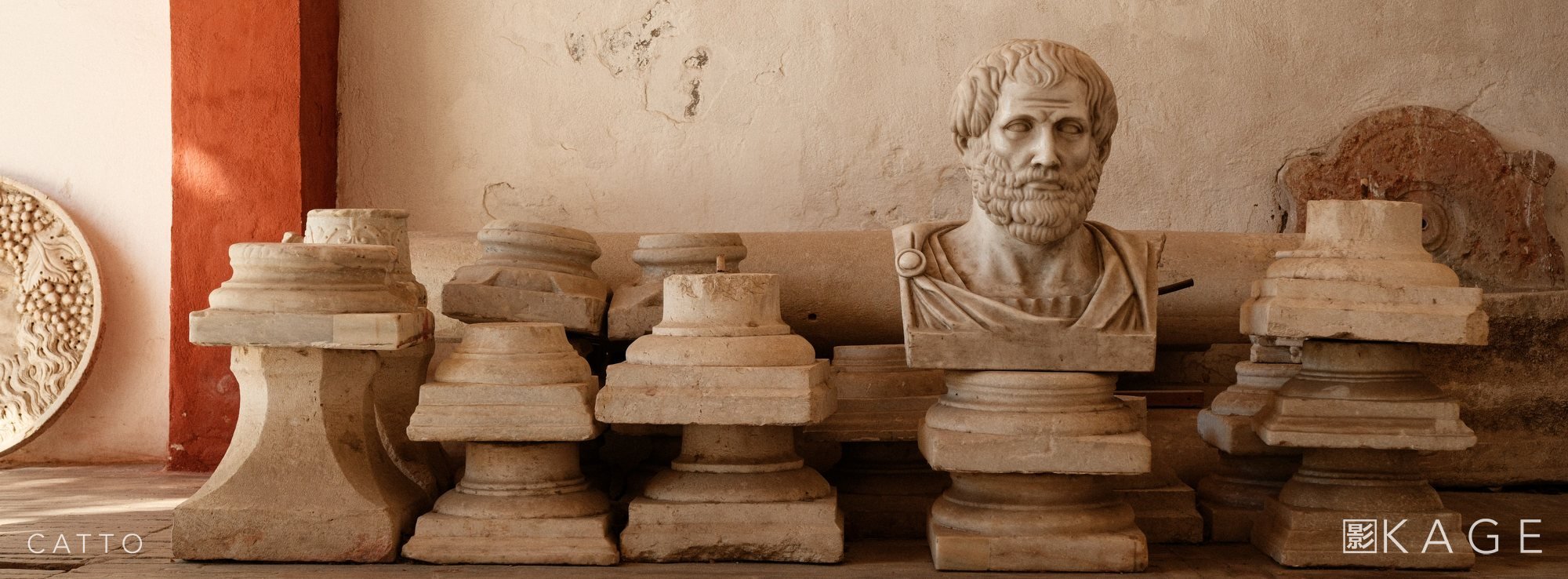
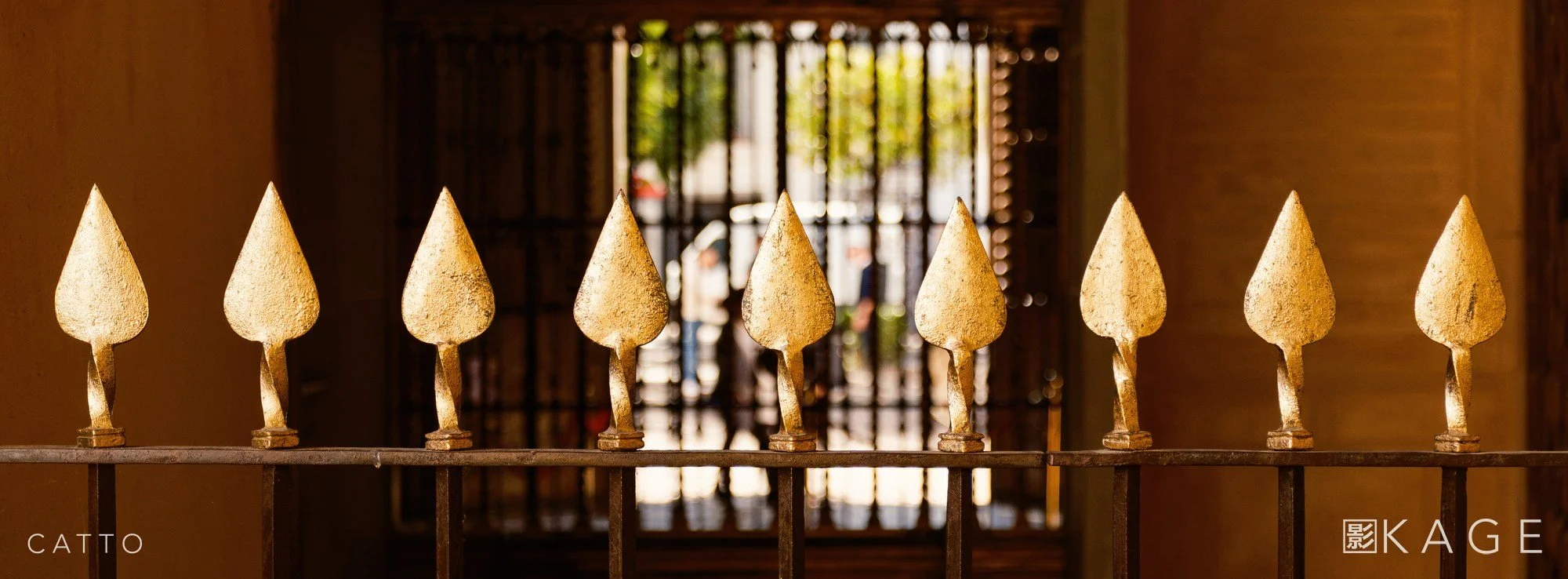
At the end of three weeks travelling around Madrid and nearby regions, I should have been exhausted. We were up early most days, catching trains or heading to museums, galleries, cathedrals and palaces—but rather than the effort wearing us out, every new site gave us such energy that to rest instead of continuing seemed like a waste.
And rather than photography feeling like my job (which of course it is), a new location and a new way to frame the view gave me what I needed to keep going.
When I look back now on that trip, and try to think of my favourite moments, it’s not any of the things we planned—it’s the surprises.
When the light landed somewhere unexpected, and the lines it created sculpted something new out of an old tobacco factory; or a woman passing caught a shaft of light on her face; or that night walking home from a train journey, when we got caught up in a parade commemorating a saint, and just had to wait until it passed.
Something connected in those moments, and just for that quick second, the riddle made sense.
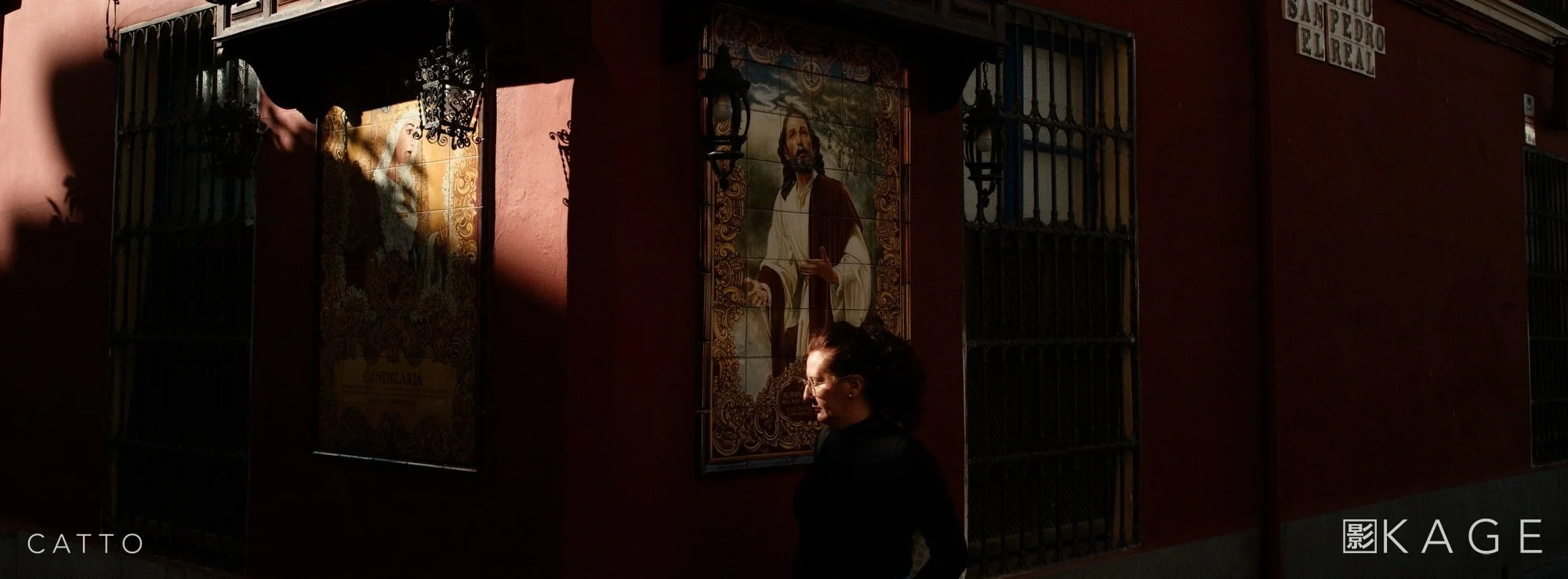
A local woman catches the sunlight as she turns the corner of a building, below a tiled mural of Jesus on a street in Córdoba.
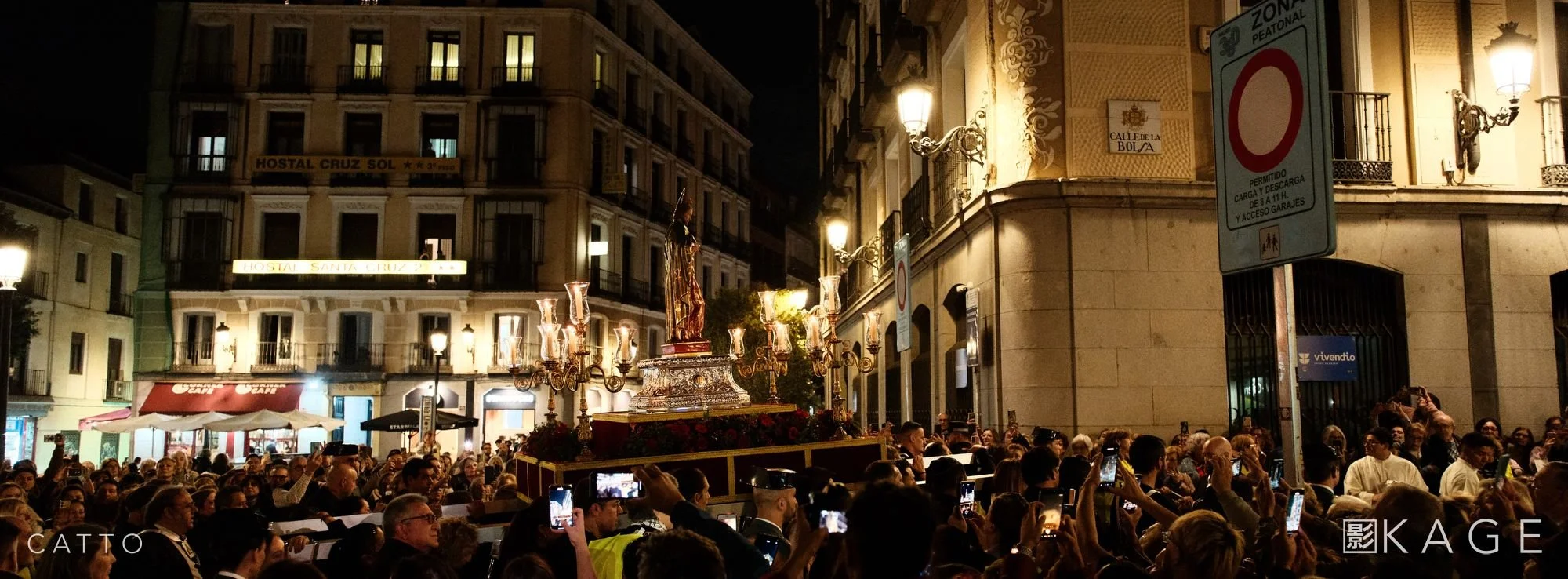
A road in central Madrid is blocked by a long procession carrying aloft a statue of a saint, followed by a band of musicians performing.
